Pho in Vietnam: History, Types & How to Order
Pho in Vietnam is a rice-noodle soup usually served with beef or chicken, an aromatic broth and fresh herbs. On Vietnamese menus it is written phở. The bowl you meet in Hanoi may look quite different from the one you order in Ho Chi Minh City: fewer accompaniments in the north, more herbs and sauces in the south.
Knowing a handful of menu words makes the first order less of a gamble. You can choose chicken instead of beef, avoid tendon when you dislike its texture, and recognise why the next table has a plate of leaves while yours does not. The history helps explain those differences, but the immediate reward is lunch you actually meant to order.

Pho in Vietnam: what goes into the bowl?
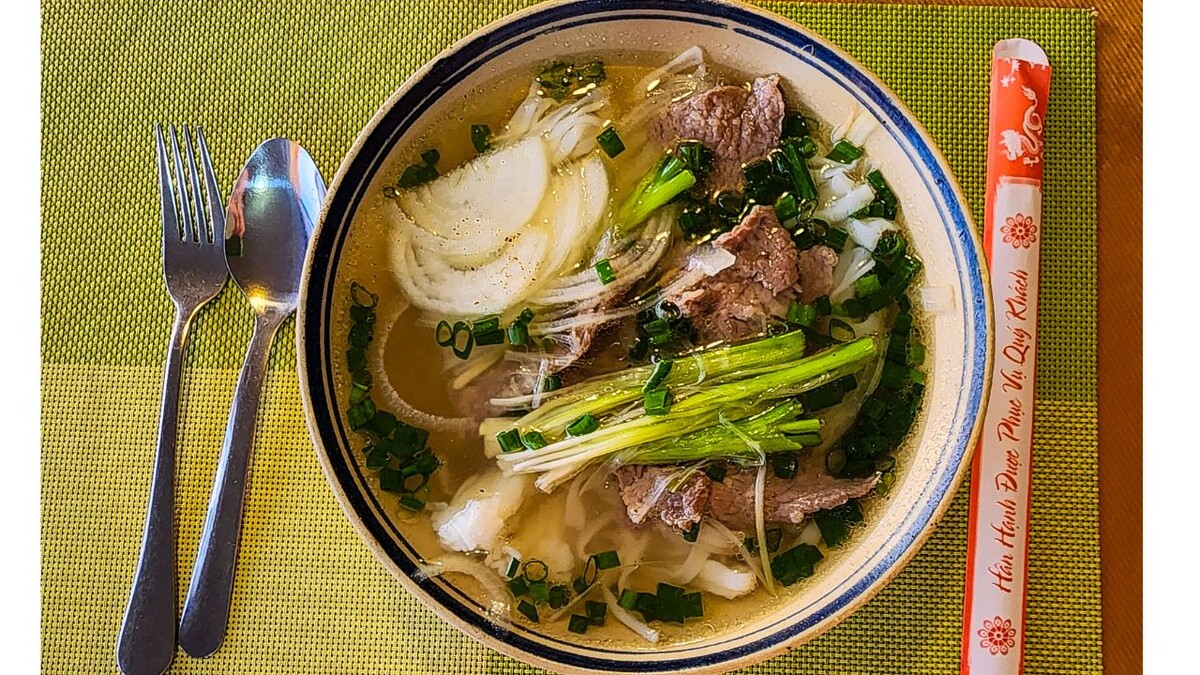
The noodles are bánh phở: flat rice noodles, rather than the thin, round rice vermicelli used in some other Vietnamese soups. A bowl combines those noodles with broth, meat and a scattering of herbs or spring onion.
Beef broth commonly draws its flavour from bones, onion, ginger and spices such as star anise, cinnamon and cloves. Recipes differ, and chicken pho has its own broth and seasoning. A clear-looking soup can still have considerable depth; colour alone tells you little about how it will taste.
Pho is often breakfast, though individual shops may serve it later in the day or into the night. Check the place you intend to visit rather than assuming every noodle shop keeps the same hours.
Where did pho in Vietnam begin?
Pho developed in northern Vietnam around the turn of the twentieth century. Nam Dinh and Hanoi both matter to its early story. Pinning it to one inventor, kitchen or exact year would make a disputed history sound tidier than it is.
One account connects it with xáo trâu, a buffalo-meat noodle soup. French colonial demand for beef also changed the supply of meat and bones available to cooks. Chinese noodle traditions form another part of the discussion. These influences help explain the setting in which pho emerged; they do not prove a single recipe was copied and renamed.
The name is disputed too. Proposed explanations include the French pot-au-feu and Chinese words connected with rice or noodles. A similar sound is not enough to settle an etymology. Pho’s northern beginnings are much easier to describe with confidence than the precise origin of its name.
How a street breakfast travelled south and overseas
Early pho sellers carried mobile kitchens on bamboo shoulder poles. By the 1930s, these roaming vendors were part of Hanoi’s street life. Soup, noodles, bowls and fuel had to travel with the person serving them: a rather different arrangement from a restaurant with a long printed menu.
Migration after the country’s division in 1954 helped spread northern pho-making traditions south. In Saigon, cooks adapted the bowl to local tastes, with sweeter broth and a more generous selection of herbs, sprouts and sauces.
Later Vietnamese migration carried pho to family restaurants abroad. That helps explain why a diner familiar with an overseas version may arrive in Hanoi expecting an enormous herb plate and find a much simpler serving instead. Familiarity with one bowl does not make it the template for every other.

Northern vs southern pho in Vietnam: what changes?
These are broad tendencies, not rules that every cook follows. A restaurant’s own style matters as much as the city on its address.
| At the table | Northern style, especially Hanoi | Southern style, especially Saigon |
|---|---|---|
| Broth | Usually less sweet, with attention on the meat and broth | Often sweeter, with a different balance of seasoning |
| Herbs and sprouts | A smaller selection; herbs may already be in the bowl | A separate plate of herbs and bean sprouts is common |
| Condiments | Chilli, citrus and vinegar-based additions may be available | Hoisin and chilli sauce commonly join the accompaniments |
| What to expect | Fewer additions to choose between | More room to adjust the bowl as you eat |
Neither needs defending as the only authentic version. Taste what the kitchen has made before deciding it needs the same additions you used elsewhere. Noodle width, sweetness and garnishes can vary within each region too.
Flights for a Vietnam food trip
Planning to compare bowls in Hanoi and Ho Chi Minh City? Compare flights for your actual route and dates, including baggage and the total fare, before deciding where to begin.
Planning a stop in Ho Chi Minh City? Compare things to do between meals.

Types of pho in Vietnam: beef, chicken or vegetarian?
Pho bo (phở bò) is beef pho. The next words on the menu often identify the meat or combination, which is why two beef bowls can have very different textures.
Pho ga (phở gà) is chicken pho. It is a later development than the beef version, with a well-established place in Vietnamese food. Choosing it is not a compromise you need to justify.
Pho chay (phở chay) is the term to look for when seeking a vegetarian version. Ask about the broth and seasoning as well as the visible toppings. A bowl containing vegetables or tofu is not enough information to establish that it meets your dietary requirements.
You may also see pho cuon, rolls made with rice-noodle sheets, or fried pho dishes. These use the noodle component in another format; do not expect a bowl of broth simply because the name contains pho.

7 pho menu terms that help you order
Menus do not always translate cuts consistently. These common meanings give you a starting point; the staff can show you what their kitchen uses.
| Menu word | What it usually means | What to consider |
|---|---|---|
| Tái | Thin slices of rare beef, usually added before hot broth | Specify fully cooked meat when that is your preference |
| Chín | Cooked beef | Ask which cut the restaurant serves |
| Nạm | Flank | A different cut from the rare sliced beef |
| Gầu | Brisket, often a fattier portion | Ask before ordering when you dislike fatty meat |
| Gân | Tendon | Expect a gelatinous texture |
| Sách | Tripe | Useful to recognise when avoiding offal |
| Bò viên | Beef meatballs | Check ingredients when you have dietary restrictions |
For a straightforward order, point to pho ga for chicken or ask the staff to identify a beef bowl with the cuts you enjoy. Pointing to the written Vietnamese is more useful than trying to memorise every accent mark before breakfast. With allergies or strict dietary needs, explain the actual restriction rather than relying on a dish name alone.
A rental car for food stops between towns
For a road trip with food stops along the way, compare rental cars for the pickup city and dates you need. Check the deposit, mileage, insurance and licence requirements in the listing before booking.
How to eat pho without losing the broth beneath the sauces
Start with a spoonful before adding anything. Then make small changes: a little citrus, a few herbs, perhaps some chilli. Taste between additions. Hoisin is sweet and can quickly change the whole bowl; a separate dipping dish lets you try it with the meat first.
Chopsticks handle noodles and meat; the spoon handles broth. There is no need to empty every side plate into the soup or finish condiments you do not enjoy. The aim is to find the balance you like while still tasting what made this kitchen’s broth distinctive.
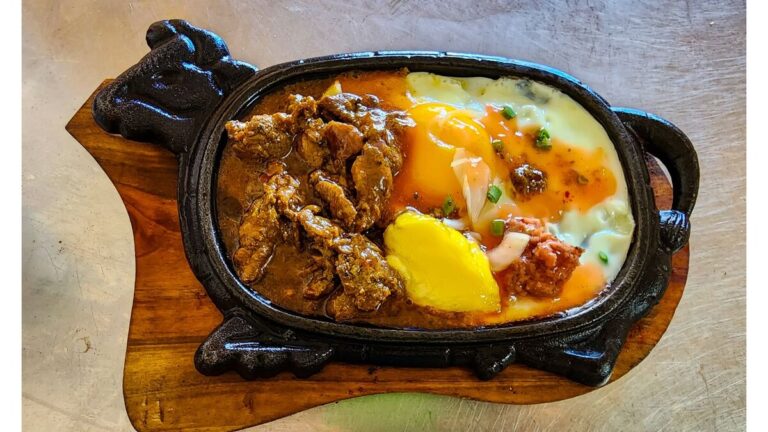
My first bowl in Ho Chi Minh City taught me exactly that: I added herbs and sauces so enthusiastically that I wondered what the original broth had tasted like. My Pho Viet Nam review covers that visit, the regular and stone-bowl formats, and what the restaurant’s Michelin listing actually means.

Try pho in Vietnam independently or with a food guide
You can try pho in Vietnam without booking an organised activity. Read the menu, check the listed price and ask about unfamiliar cuts. For a broader introduction, a guided food walk gives you a chance to ask about several dishes in the same outing.
Before booking, read the actual stops and inclusions: a tour labelled “street food” does not necessarily serve pho. Compare walking and motorbike formats, the number of tastings, portion sizes and dietary arrangements. Search for your city and food tours on Trip.com.
A cooking class serves a different purpose: learning how the dish is put together. Check that pho is explicitly on the class menu, whether you cook it yourself, and whether the session begins with a prepared stock. A short class may teach assembly and seasoning without reproducing the full broth-making process.
The selection below includes wider tours and activities in Vietnam. Open each listing to check the location, route and inclusions.
What to try after your first bowl
Comparing bowls of pho in Vietnam tells you more than searching for one definitive “best.” Notice the broth, the cut of meat and what arrives alongside it. Those details give you something specific to compare.
For a change from soup, my guides to banh mi in Vietnam and Vietnamese banh bao explain two other familiar breakfast choices. Afterwards, the Vietnamese coffee guide helps you decide between a strong phin coffee, condensed milk and the sweeter variations on cafe menus.
Pho becomes more interesting once the order is yours: chicken or beef, a cut you recognise, the herbs you enjoy. Keep enough curiosity for the next shop, and enough restraint with the sauce to discover what tastes different there.
This article contains affiliate links. I may earn a commission if you book through them, at no extra cost to you.