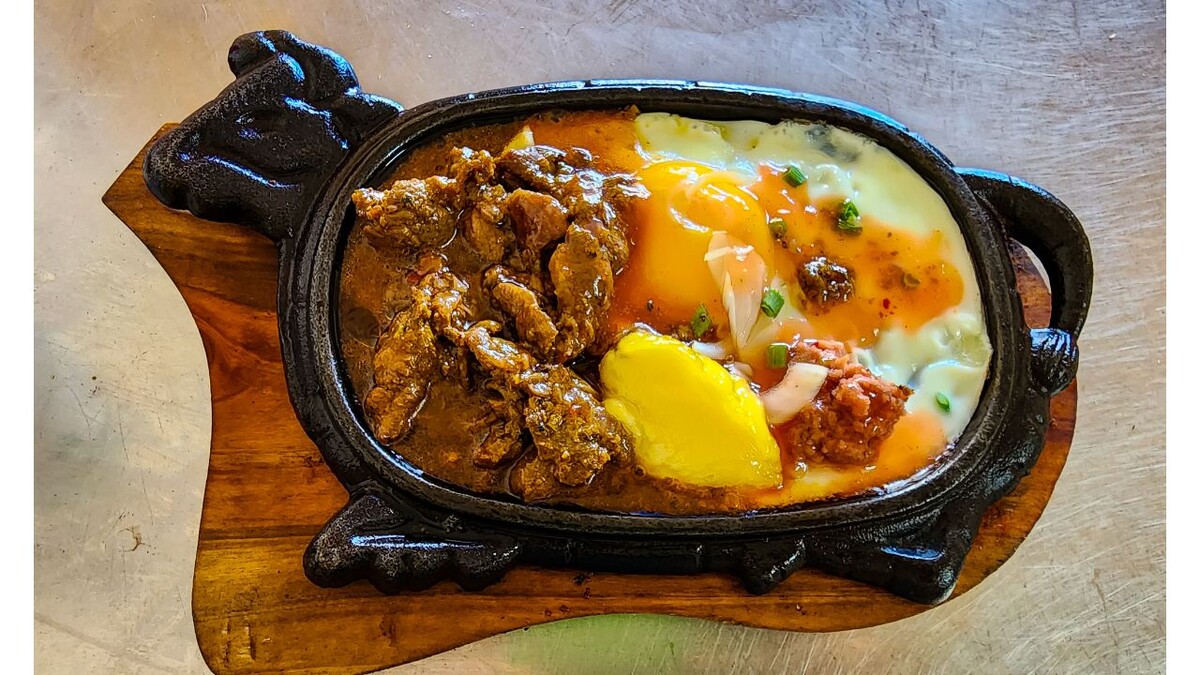
Bò Né Vietnam: Sizzling Beef, Eggs & How to Eat It
The pan arrives before the meal has finished cooking.
Beef is still sizzling. The egg is bubbling at the edges. Hot oil may spit toward your shirt while the waiter is still putting the plate down.
That moment explains Bò Né Vietnam better than any dictionary definition.
It is part breakfast, part steak plate and part interactive street-food experience, usually served on a small cast-iron skillet with beef, egg and whatever extras that particular shop considers essential.
And yes, moving away from the splattering pan is part of the experience.
What Is Bò Né?
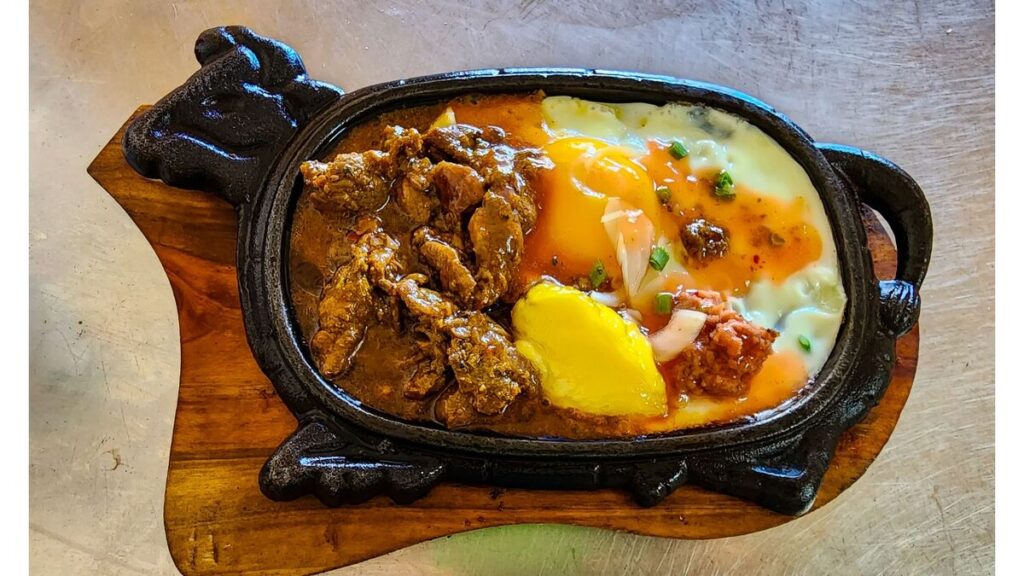
At its simplest, bò né is beef served on a very hot sizzling plate.
Common additions include:
- fried egg;
- pâté;
- baguette;
- salad or fresh vegetables;
- fries;
- xíu mại meatballs;
- sausage or cold cuts;
- cheese.
But there is no single compulsory combination.
Some places keep it simple with beef, egg and bread. Others build enormous plates with several meats, pâté, cheese and sides.
That is why looking at a bò né menu for the first time can be surprisingly confusing.
Why Is It Called Bò Né?
The popular explanation is one of the best food-name stories in Vietnam.
Bò means beef.
Né means to dodge, avoid or move out of the way.
Put the two together and you get something close to “dodging beef.”
It sounds strange until the skillet arrives.
The pan is so hot that the beef and oil can continue splattering for a while after it reaches the table. Your natural reaction is to lean back.
So the commonly told explanation is that diners literally have to né, or dodge, the sizzling beef.
Whether that story explains the exact historical origin of the name is harder to prove, but it certainly describes the eating experience.
Where Did Bò Né Come From?
The exact origin of bò né is less tidy than some food stories make it sound.
It is often discussed alongside the French-influenced steak, pâté and baguette culture that developed in southern Vietnam, but there is no need to pretend there was one precise moment when a French steak became bò né.
What matters is what eventually appeared on Vietnamese tables:
thin or relatively small pieces of beef rather than a large Western-style steak, served on a sizzling plate and combined with egg, pâté, bread and a changing collection of local extras.
The baguette and pâté connection is especially familiar if you have already tried another famous French-Vietnamese adaptation, bánh mì in Vietnam.
Bò né simply takes those ingredients in a completely different direction.
What Comes on a Bò Né Sizzling Plate?
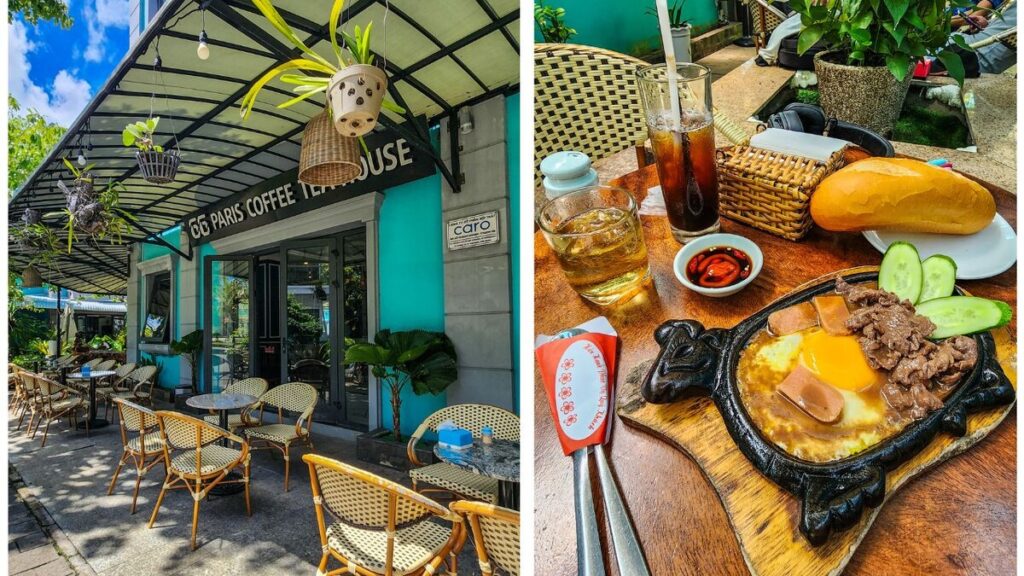
Think of bò né as a buildable meal, not one fixed recipe.
| You may get | What it adds |
|---|---|
| Beef | The essential part of bò né |
| Fried egg | Very common and adds richness |
| Pâté | Common in many combinations |
| Baguette | Perfect for soaking up yolk and pan juices |
| Salad / tomato / cucumber | Fresh contrast to the richer ingredients |
| Fries | Common at some bò né and bò bít tết shops |
| Xíu mại | Saucy meatball extra |
| Sausage / cold cuts | Often included in larger sets |
| Cheese | Optional in loaded versions |
The Beef
The beef is commonly sliced thinner than a classic Western steak and often marinated before it hits the pan.
Seasoning varies by shop.
The important part is what happens at the table: the pan continues cooking the meat for a while after it arrives.
If you prefer your beef less cooked, do not spend five minutes taking photos before touching it.
The Egg
A fried egg is one of the most common companions.
A runny yolk works particularly well because it mixes with the beef juices and pâté, but it is not some official rule that every bò né egg must be liquid in the middle.
Pâté
This is where bò né starts feeling especially connected to Vietnam’s French-influenced food traditions.
Pâté softens on the hot plate and mixes with egg, meat juices and sauce.
Then the baguette gets involved.
Cheese, Sausage and Other Extras
Loaded combinations can escalate quickly.
Some restaurants add:
- xíu mại;
- sausage;
- cold cuts;
- fries;
- processed cheese;
- extra eggs.
You may even see Laughing Cow-style cheese wedges melting on the hot plate.
That does not mean cheese is an essential bò né ingredient. It simply means some shops enjoy turning the skillet into a full breakfast construction project.
Build Your Bò Né
If the menu has too many combinations, use this as a quick game plan.
Start with:
- ☑ Beef
Add your egg:
- ☐ 1 egg
- ☐ 2 eggs
Choose your extras:
- ☐ Pâté
- ☐ Xíu mại
- ☐ Sausage
- ☐ Cheese
- ☐ Fries
And do not forget:
- ☑ Baguette
My First-Order Combination
For a first bò né, I would keep it simple:
beef + egg + pâté + baguette
That gives you the main experience without hiding everything under five additional toppings.
If you like it, order the overloaded version next time.
Bò Né vs Bò Bít Tết: What’s the Difference?
You will often see both names on Vietnamese menus.
The distinction is useful, but not perfectly standardized.
| Bò Né | Bò Bít Tết | |
|---|---|---|
| Beef | Often thinner or smaller pieces | Usually more steak-like |
| Serving style | Sizzling hot plate | Often served on a hot plate too |
| Extras | Egg, pâté and mixed combinations are common | Usually more focused on the steak |
| Bread | Common | Also common at many Vietnamese steak shops |
| Reality | Definitions vary by restaurant | Definitions vary by restaurant |
Do not expect every restaurant to use the two terms in exactly the same way.
Some menus blur the line almost completely.
If the photo or ingredient list looks good, I would pay more attention to that than to trying to solve the terminology perfectly.
How to Eat Bò Né

There is no rule saying you need to throw away your fork.
Use whatever makes sense.
But the baguette is one of the best parts of the meal.
Tear off a piece and use it to collect:
- runny egg yolk;
- softened pâté;
- beef juices;
- sauce left on the skillet.
That is where the separate ingredients start turning into one meal.
A little salad or fresh vegetables between bites also helps cut through the richer parts of the plate.
And one practical warning:
the skillet is genuinely hot.
Give the splattering oil a moment to calm down before leaning over it in your favorite white shirt.
Want to Try Bò Né with More Vietnamese Street Food?
If you want someone local to explain what you are ordering and introduce you to dishes beyond the obvious phở and bánh mì stops, a food tour can be a useful shortcut.
When Do People Eat Bò Né?
Bò né is particularly associated with breakfast, but you do not have to eat it at 8 AM.
Depending on the restaurant, it may be available:
- for breakfast;
- as a substantial brunch;
- at lunch;
- later in the day.
It is much heavier than a small grab-and-go breakfast.
Beef, egg, pâté and baguette together can easily become a full meal.
How Much Does Bò Né Cost?
There is no useful national price for bò né.
Cost depends on:
- city;
- restaurant;
- amount of beef;
- number of eggs;
- whether pâté is included;
- how many extras you add.
A basic casual combination can still be inexpensive by restaurant standards in Vietnam, while larger sets with sausage, cheese, extra meat or multiple eggs cost noticeably more.
The menu matters more than an old internet claim that bò né “should” cost one specific amount everywhere in the country.
What Should You Order First?
If the menu is long and entirely in Vietnamese, look for a simple bò né combination containing:
bò + trứng + pâté
That gives you:
- beef;
- egg;
- pâté.
Then make sure bread is included or order a baguette alongside it.
You can graduate to the giant combination with xíu mại, sausage, cheese and fries once you know what parts of the dish you actually like.
Why Bò Né Is Worth Trying
Bò né is memorable because the way it arrives is part of the meal.
You hear it before you taste it.
The plate is still cooking.
The egg continues to set.
The pâté softens.
The bread goes straight into the yolk and pan juices.
And the combination can change completely from one shop to the next.
That makes bò né much more interesting than simply calling it “Vietnamese steak and eggs.”
It is messy, customizable and best eaten while the skillet is still making noise.
Vietnam Travel Essentials
If bò né is one stop on a longer Vietnam trip, these are useful planning tools for the rest of the journey.
Stay Connected
Mobile data helps with maps, translations, Grab and finding restaurants while you are already outside.
Airport Transfers
If you prefer to arrange the ride from the airport before arrival:
Rental Car
Useful if your Vietnam itinerary includes longer independent road trips rather than only city stays.
Travel Insurance
For a longer trip around Vietnam:
Hotels
Flights
Some links in this article are affiliate links. If you book through them, I may earn a small commission at no extra cost to you.