Bánh Mì in Vietnam: History, Fillings & How to Order
If phở is the kind of meal you sit down with, bánh mì is lunch that fits in one hand.
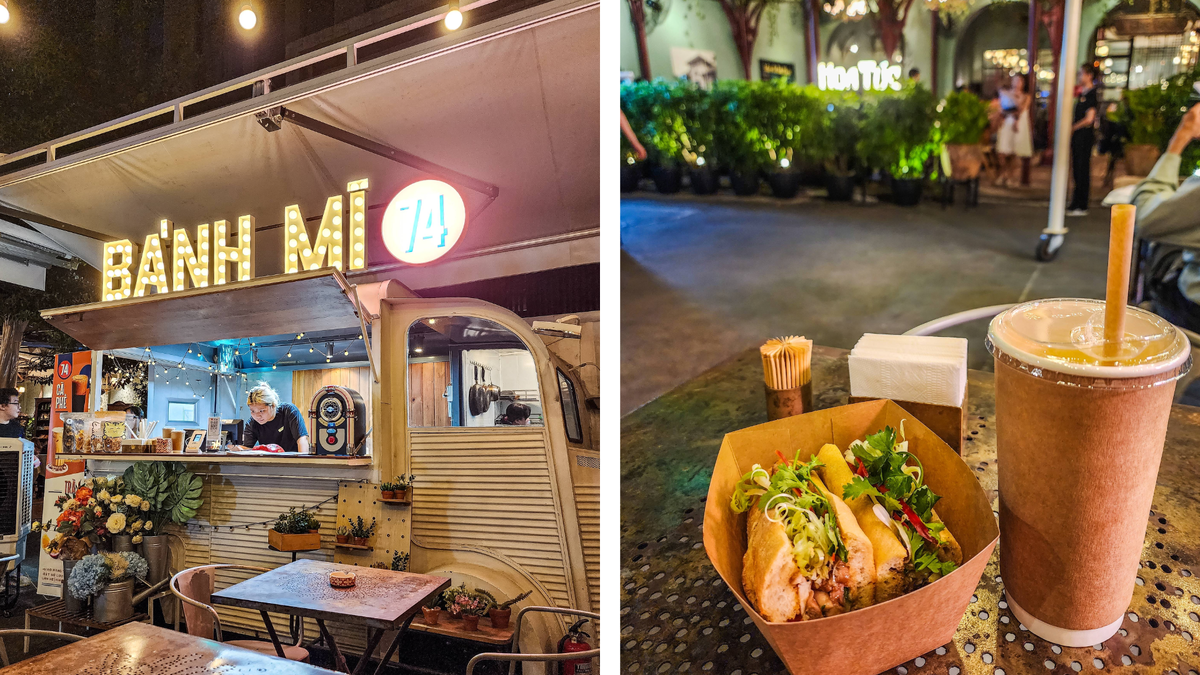
A crisp, light baguette can hold pâté, cold cuts or grilled meat, pickled vegetables, cucumber, herbs, chilli and sauce. A few minutes at a small shop or street stall and you walk away with something rich, sour, fresh, spicy and crunchy at the same time.
But there is no single “correct” bánh mì.
The bread varies. The fillings vary. Even ordering simply bánh mì may not tell the vendor what kind of sandwich you actually want.
So before trying bánh mì in Vietnam for the first time, it helps to know three things: where it came from, which version to order and what to say when you order it.
What Is Bánh Mì?
In Vietnamese, bánh mì can mean the bread itself or the filled sandwich, depending on context.
A common bánh mì might include:
- a light Vietnamese-style baguette;
- pâté, mayonnaise or another rich spread;
- cold cuts, grilled meat, egg or another main filling;
- pickled carrot and daikon;
- cucumber;
- coriander or other herbs;
- fresh chilli;
- sauces and seasoning.
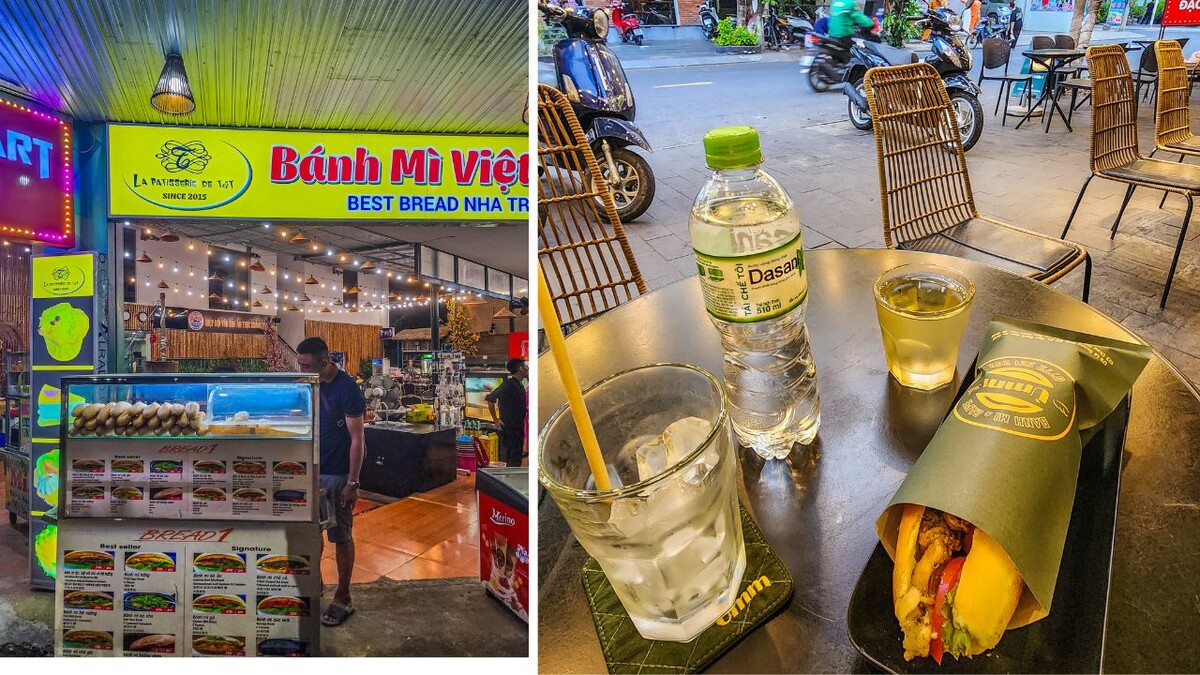
That is a common formula, not a fixed recipe.
Some bánh mì contain no pâté. Some are built around eggs. Others use meatballs, grilled meat, tofu or mushrooms.
The variation is part of the point.
How the French Baguette Became Vietnamese
The story begins during French colonial rule, when French-style bread and ingredients such as pâté became part of the food landscape in Vietnam.
Wheat was imported, so bread initially belonged much more to French colonial food culture than to everyday Vietnamese street food.
But imported food does not necessarily remain imported.
Over time, Vietnamese bakers and vendors adapted the bread to local tastes and eating habits. By the mid-20th century, especially in Saigon, a recognizably Vietnamese filled sandwich had developed.
The bread became lighter, while Vietnamese meats and sausages appeared alongside pâté. Pickled vegetables added acidity and crunch, and cucumber, herbs and chilli brought freshness.
The baguette was still visible in the background.
But the food being sold from Vietnamese stalls had become something of its own.
Does Bánh Mì Bread Really Contain Rice Flour?
One of the most repeated bánh mì stories is that rice flour is the secret ingredient behind the unusually light Vietnamese baguette.
The reality is less tidy.
Some recipes may include rice flour or other starches, but many bánh mì loaves are primarily wheat-based. Rice flour is not a universal requirement for authentic bánh mì bread.
And it cannot explain the texture on its own.
Rice flour contains no gluten, so simply adding more of it does not magically create a lighter, airier loaf.
The characteristic bánh mì texture comes from a combination of flour, dough formulation and baking technique rather than one universal “secret ingredient.”
So if someone tells you that rice flour is the reason Vietnamese baguettes are different from French ones, treat that as an oversimplification.
The difference is real.
The explanation is just more complicated.
Vietnamese Bánh Mì Bread vs French Baguette
If you have eaten both, the difference is easy to feel.
| Vietnamese bánh mì bread | French baguette | |
|---|---|---|
| Crust | Thin, crisp and brittle | Usually thicker and chewier |
| Crumb | Very light and airy | More substantial and chewy |
| Shape | Often shorter | Usually longer |
| Best suited for | Splitting and filling | Eating as bread or with a meal |
A fresh bánh mì loaf can make a complete mess.
The first bite cracks the crust and sends crumbs everywhere, while the inside stays light enough that the filling remains the main event.
That balance matters.
Vietnamese fillings inside a dense, chewy baguette would not feel quite the same.
What Usually Goes Inside a Bánh Mì?
Most versions combine several contrasting elements.
Something Rich
Depending on the shop, this might be:
- liver pâté;
- mayonnaise;
- a butter-style spread;
- sauce;
- or a combination.
Pâté is one of the clearest traces of French culinary influence still visible in bánh mì.
The Main Filling
Common options include:
- Vietnamese cold cuts;
- chả lụa;
- grilled pork;
- meatballs;
- chicken;
- fried egg;
- tofu;
- mushrooms.
Something Fresh, Sour and Spicy
Pickled carrot and daikon, often called đồ chua, bring acidity and crunch.
Then there may be cucumber, coriander, other herbs and fresh chilli.
That contrast is what makes a good bánh mì work:
crisp bread + rich filling + acidity + freshness + heat.

Which Bánh Mì Should You Try First?
Instead of asking for just “bánh mì,” choose based on what you actually feel like eating.
| If you want… | Order |
|---|---|
| The classic mixed version | Bánh mì đặc biệt |
| Something hot and smoky | Bánh mì thịt nướng |
| A breakfast option | Bánh mì ớp la |
| Something saucy | Bánh mì xíu mại |
| A simple sausage filling | Bánh mì chả lụa |
| No meat | Bánh mì chay |
Think of this as a starting point rather than a rigid menu guide. Two shops can use the same name and make noticeably different sandwiches.
Bánh Mì Đặc Biệt
If you want a little of everything, this is the obvious place to start.
Đặc biệt means “special,” and at many shops it means a fuller combination of cold cuts, sausage, pâté, pickles and herbs.
If it is your first bánh mì and you eat pork, this is usually the version that gives you the broadest idea of the classic style.
Bánh Mì Chả Lụa
Chả lụa is a Vietnamese pork sausage made from finely pounded pork paste and steamed rather than grilled.
Its flavor is relatively mild, so the pickles, herbs and chilli remain noticeable instead of disappearing behind the meat.
Bánh Mì Thịt Nướng
This version uses grilled meat, commonly pork.
It is usually warmer and more aromatic than a cold-cut bánh mì and may have a slightly sweet marinade.
If you want something hot rather than deli-style, this is a good place to start.
Bánh Mì Xíu Mại
Xíu mại usually means Vietnamese-style pork meatballs served with sauce.
Depending on the shop, they may go directly inside the bread or arrive separately so you can tear off pieces of baguette and dip them.
It feels very different from a dry, crisp cold-cut bánh mì.
Bánh Mì Ọp La
Ọp la means fried egg.
Sometimes the egg goes inside the sandwich.
Sometimes it comes on a plate with baguette and other accompaniments.
It is particularly common as a breakfast option.
Bánh Mì Chay
The vegetarian version.
There is no standard filling, but tofu, mushrooms, vegetables and meat-free spreads are common.
A Simple Bánh Mì Challenge
If you have several days to try bánh mì in Vietnam, I would not order the same version every time.
Try three:
1. A cold-cut or pâté bánh mì
Start with something like đặc biệt.
2. A hot filling
Try thịt nướng or xíu mại.
3. A local version wherever you are staying
Ask what the shop is known for.
Then decide what actually matters most to you: the bread, the meat, the pickles, the pâté or the chilli.
That is more interesting than trying to identify one mythical “best bánh mì in Vietnam.”
If Hội An is part of your trip, my Hoi An Travel Guide covers the Old Town, tickets, food, accommodation and how to plan your time there.
Eating Bánh Mì in Vietnam
Bánh mì does not belong to one particular meal.
You will see people eating it as:
- breakfast before work;
- a quick lunch;
- an afternoon snack;
- takeaway food between errands;
- an evening or late-night meal.
It works because it is fast to assemble, portable and substantial without requiring a table, bowl or cutlery.
How Much Does Bánh Mì Cost?
There is no useful single national price for bánh mì in Vietnam.
A neighborhood stall, a famous bánh mì shop and a tourist-oriented café can charge very different amounts.
The price also changes with:
- the city;
- filling;
- size;
- number of meats;
- whether it is a basic street sandwich or a large đặc biệt.
A simple bánh mì can still be one of the cheaper quick meals in Vietnam, but I would not judge a shop by whether it matches an old price quoted somewhere online.
How to Spot a Good Bánh Mì Stall
You do not need to hunt for the most famous name on Google.
A few simple things are more useful.
Check the Bread
Fresh bread matters.
The crust should still look crisp rather than soft or tired.
Look for Turnover
A shop that is constantly assembling sandwiches is usually more appealing than one where the ingredients appear to have been sitting untouched for hours.
Look at Ingredient Storage
Pay attention to how meat, pâté, sauces and vegetables are being handled, particularly in hot weather.
Street food does not need to look polished, but basic food hygiene still matters.
Watch What People Are Ordering
A busy local shop is a good sign, but something else can be even more useful:
watch which filling people keep ordering.
If most customers are asking for the same version, that is probably a better clue than a generic “best bánh mì” list.
How to Order Bánh Mì in Vietnamese
You do not need much Vietnamese.
A useful sentence is:
Một bánh mì thịt, không cay, mang đi.
Meaning:
One bánh mì with meat, not spicy, takeaway.
The useful parts are easy to reuse:
Một bánh mì thịt
One bánh mì with meat.
Không cay
Not spicy.
Mang đi
Takeaway.
You may also hear mang về used for “to go” or “takeaway.” Both are commonly understood.
And if pronunciation fails, point at the menu.
That solves far more problems than trying to deliver a perfect sentence.
Why Bánh Mì Became Its Own Food
Bánh mì still carries obvious traces of its French past.
But eating one in Vietnam does not feel like eating a French sandwich with Vietnamese toppings.
It no longer feels borrowed.
It became its own food, shaped around Vietnamese tastes and everyday life.
And the easiest way to understand that is not to overthink it.
Order one from a busy little shop, eat it while the bread is still crisp, and accept that half the crust will probably end up on your clothes.
Planning a Food-Focused Vietnam Trip
Food Tours & Experiences
If you want to explore Vietnamese food with a local guide:
Browse Vietnam food tours and experiences
Hotels
If you are planning a longer trip around Vietnam:
Compare hotels in Vietnam on Trip.com
Flights
Find flights to Vietnam on Trip.com
Some links in this article are affiliate links. If you book through them, I may earn a small commission at no extra cost to you.