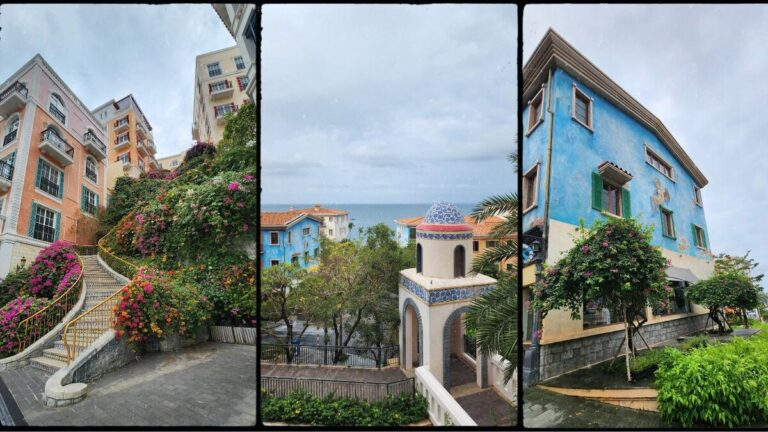

Living in Da Nang Vietnam: Best Areas, Costs & Lifestyle
I arrived in Da Nang on June 22, after spending several months on Phu Quoc. My VietJet flight was delayed by almost 90 minutes, it was already late in the evening, and I had several suitcases with me.
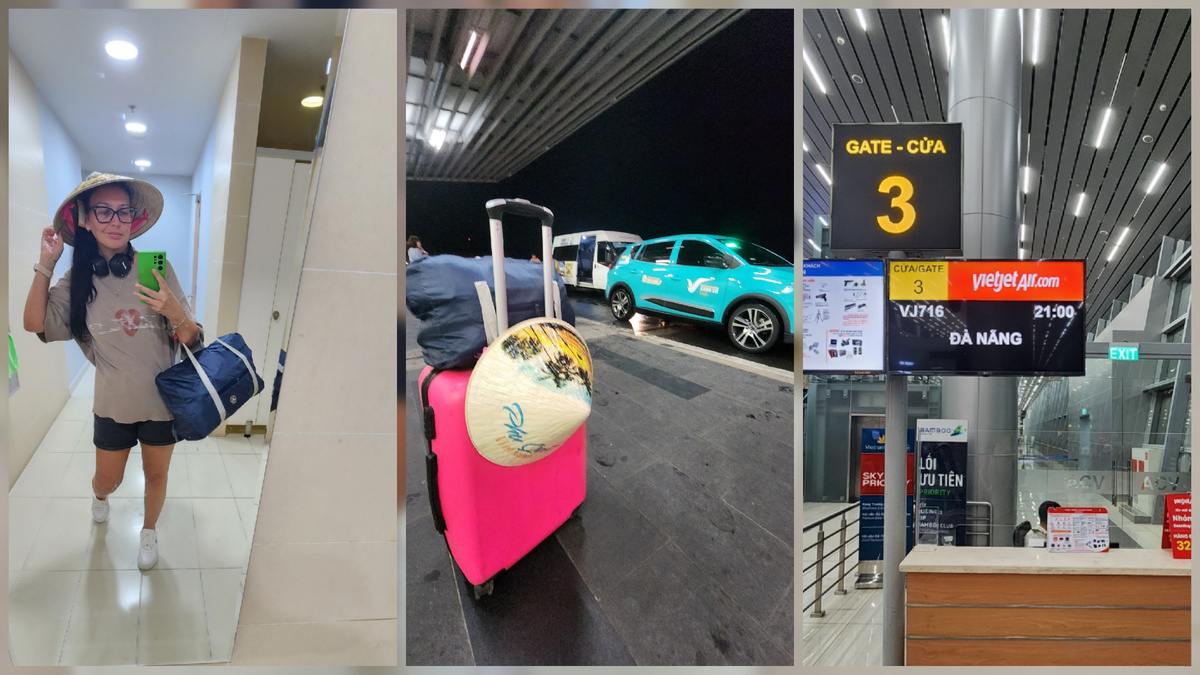
But the moment I left the airport, I could feel the difference.
After months of island life, Da Nang felt like a return to the conveniences of a proper city. Busy streets, apartment buildings, shops, restaurants and an entire urban infrastructure were waiting just a short drive from the airport.
I’d chosen Da Nang as somewhere to live for a while, not simply another stop on my Vietnam itinerary.
And after approximately six weeks in the city, I understood why so many travellers consider staying longer.
Da Nang combines everyday urban convenience with access to the beach, active neighbourhoods and some of central Vietnam’s most interesting destinations. But choosing the right area, season and accommodation makes a huge difference.
Here’s what living in Da Nang was like for me, how much a longer stay might cost in 2026 and what I’d consider before renting an apartment.
Is Da Nang a Good Place to Live?
For someone who wants city conveniences without giving up the sea, Da Nang is definitely worth considering.
You can swim in the morning, work from your apartment or a café, visit a gym, explore local neighbourhoods and spend the evening by the Han River.
What I liked most was that everyday life didn’t require much organisation.
I wasn’t constantly looking for things to do or planning transport to reach basic services.
I could simply live.
Of course, that experience depends on where you stay.
A quiet apartment far from the beach and a studio above a busy bar in An Thuong will give you very different impressions of the same city.
Da Nang at a Glance
| Question | What to know |
|---|---|
| Best for | Extended stays, remote workers, active lifestyles and people who want city conveniences near the sea |
| My preferred neighbourhood | My An, near My Khe Beach |
| Best for urban life | Hai Chau and the Han River area |
| Most comfortable weather | Generally March to May |
| Peak rainy period | Usually October and November |
| Indicative solo monthly budget | Roughly $900–1,500 for a moderate lifestyle, with wide variation |
| Getting around | Walking locally, taxis, ride-hailing and suitable personal transport |
| Nearby destinations | Hoi An, Hue, Ba Na Hills, Hai Van Pass and Son Tra |
| Main drawback | Seasonal storms, heat and distances between neighbourhoods |
My recommendation: For a first month in Da Nang, I’d start with My An or nearby An Thuong. Choose a quiet side street close to the beach rather than booking solely on the basis of neighbourhood reputation.
My Arrival in Da Nang: A Much Easier Start Than Expected
I had booked my airport transfer through Trip.com before leaving Phu Quoc.
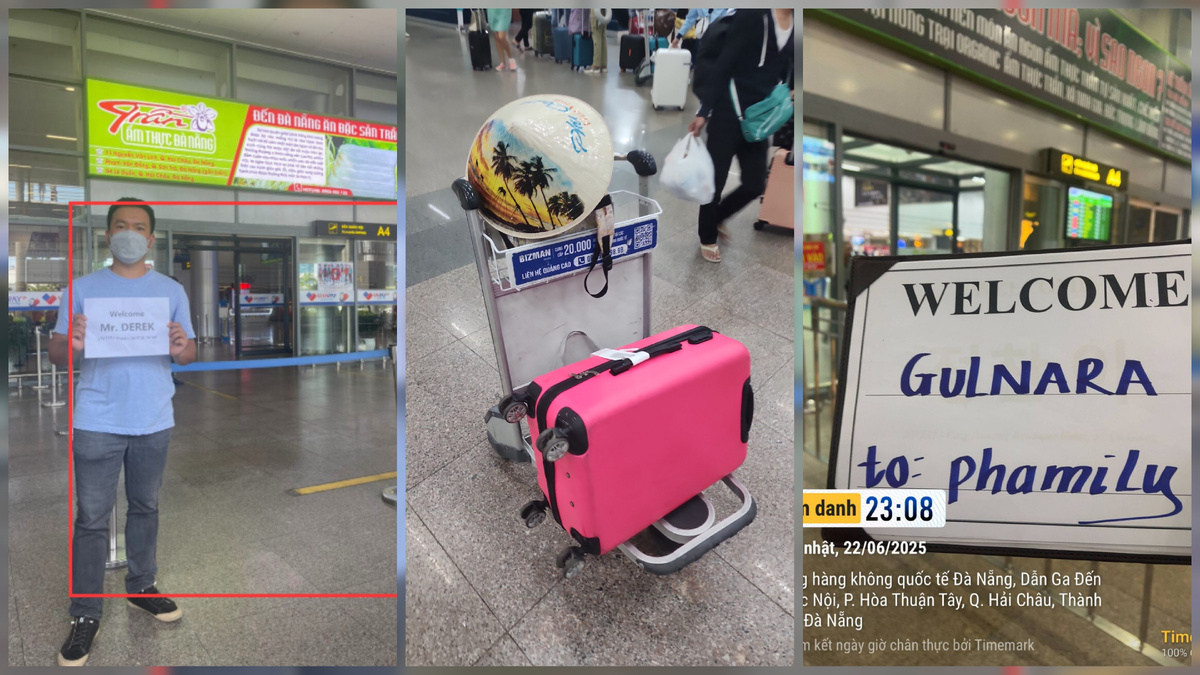
It was my first time using their transfer service, and I found it surprisingly convenient.
The booking was linked to my flight, I could communicate with the driver beforehand, and someone was waiting for me after arrival.
I also have a little travelling habit: when I collect my suitcases, I photograph them on the luggage trolley and send the picture to the driver. They’re brightly coloured and easy to recognise.
At the time, I had Trip.com Diamond status and used an eligible complimentary transfer upgrade.
My journey to My An cost around $6.50.
That was my specific booking price, not a fixed airport-transfer fare or a benefit available to every customer.
After a delayed evening flight, I appreciated being met at the airport and taken directly to my apartment without negotiating transport.
If you’re arriving late or carrying several bags, comparing private transfers with taxis can be worthwhile. Check the vehicle size, luggage allowance and pickup arrangements before booking.
My apartment was in My An, only a few minutes from the beachfront.
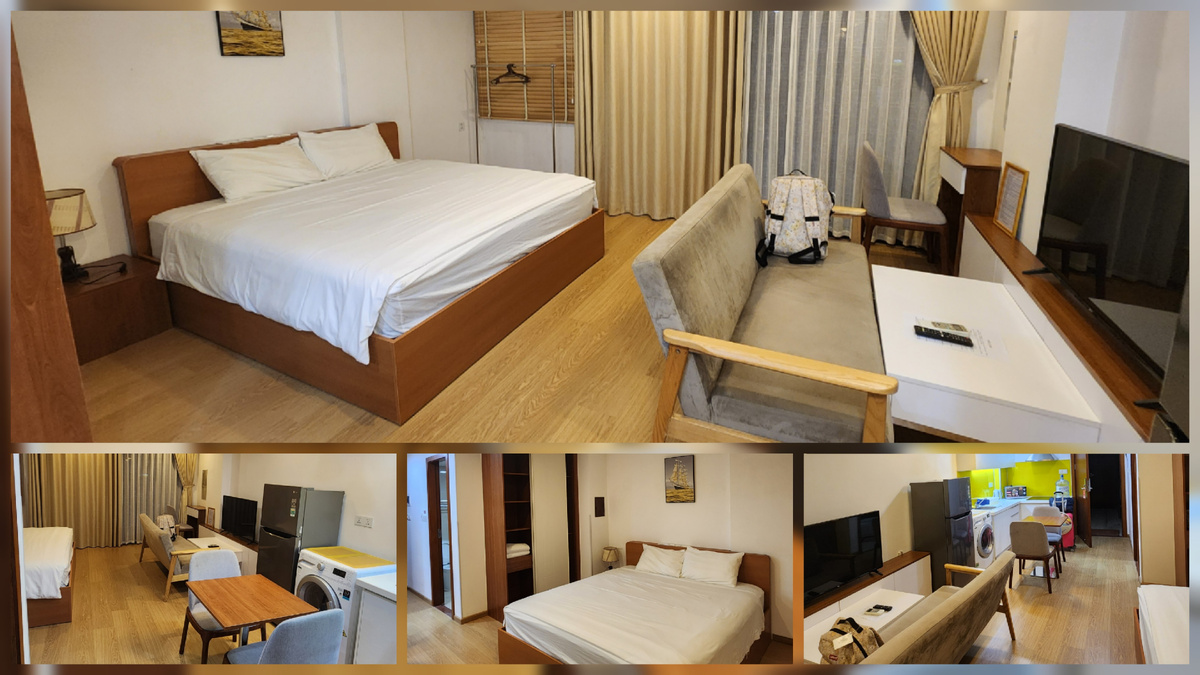
Within the first few days, it became clear that I’d chosen the right neighbourhood for my lifestyle.
What Everyday Life in Da Nang Feels Like

One of my favourite things about Da Nang was the rhythm around the beach.
Early in the morning, people were already swimming, running, exercising and meeting friends.
In the evening, the waterfront became lively again.
The beach wasn’t just somewhere to lie on a sunbed during a holiday. It was part of people’s regular routines.
I liked being able to go for a walk, spend time by the sea or find somewhere for coffee without treating it as a major outing.
Living Near the Sea Without Living in a Resort
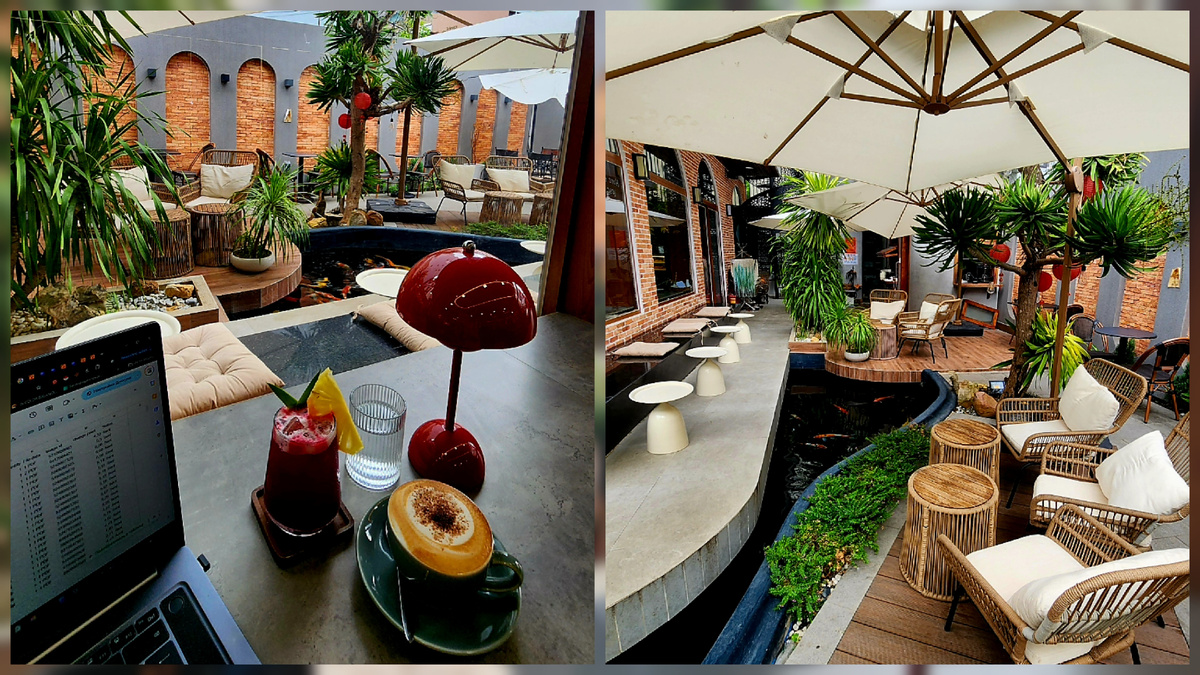
My An offered almost everything I needed within a few blocks.
There were restaurants, cafés, bars, shops, massage businesses and other everyday services.
Some streets were particularly lively at night. Others felt much more residential.
That contrast made the area work for me.
I could be close to activity without needing to live directly above it.
For a longer stay, small details become important.
A comfortable apartment, a convenient supermarket, a reliable place to work and a pleasant walking route can matter more than an impressive hotel lobby.
Da Nang isn’t equally walkable everywhere, but in the right neighbourhood it’s possible to manage much of your everyday routine on foot.
Best Areas to Live in Da Nang
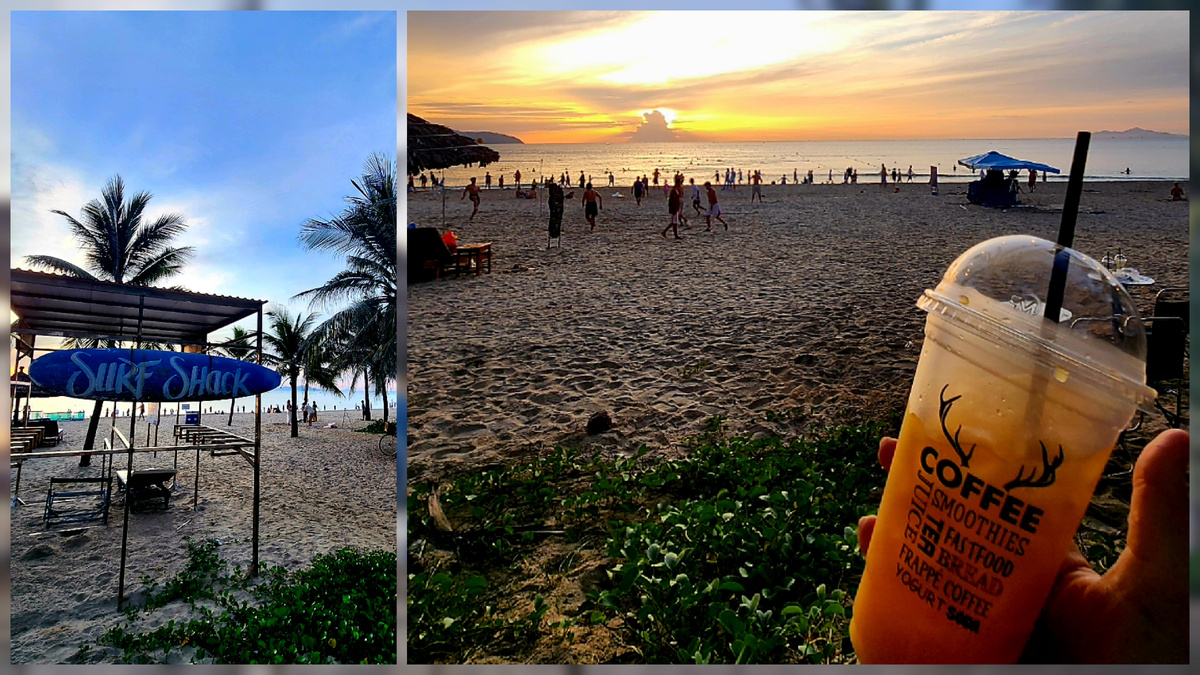
Da Nang stretches along the coast and across the Han River, and location can determine whether you need transport several times a day.
The familiar neighbourhood names below remain useful for finding accommodation, even though administrative boundaries changed during Vietnam’s 2025 reorganisation.
My An and An Thuong: My First Choice

This was where I stayed, and I’d choose the area again.
My apartment was roughly two or three minutes from the beachfront.
There were plenty of restaurants, cafés and services nearby, and I could reach the sea whenever I wanted without planning a trip.
My An also has a wide range of apartment-style accommodation, making it popular with people staying for several weeks or months.
An Thuong is especially well known for its concentration of cafés, restaurants and international visitors.
That can be convenient if you’re new to the city, although some streets are noisier than others.
What I liked:
- Walking distance to the beach.
- Restaurants and cafés close to home.
- Plenty of apartment accommodation.
- Easy access to everyday services.
- A choice between lively streets and quieter residential corners.
What I’d check carefully: Nearby bars, construction, street noise, sunlight, air conditioning and the apartment’s exact location.
Don’t assume that every property advertised as being in My An is equally close to the beach or equally quiet.
Hai Chau: City Life Along the Han River

Hai Chau is a good option if you prefer an urban setting.
This is the part of Da Nang associated with offices, shopping areas, local markets, administrative services and the Han River waterfront.
You can enjoy the city’s famous illuminated bridges, restaurants and evening activity without needing to be beside the beach.
For some travellers, that’s a better fit.
The trade-off is that visiting My Khe Beach usually requires transport.
Best for: People who prioritise the city centre, local shopping and the riverfront over daily beach access.
Son Tra: Coastal Neighbourhoods and Nature
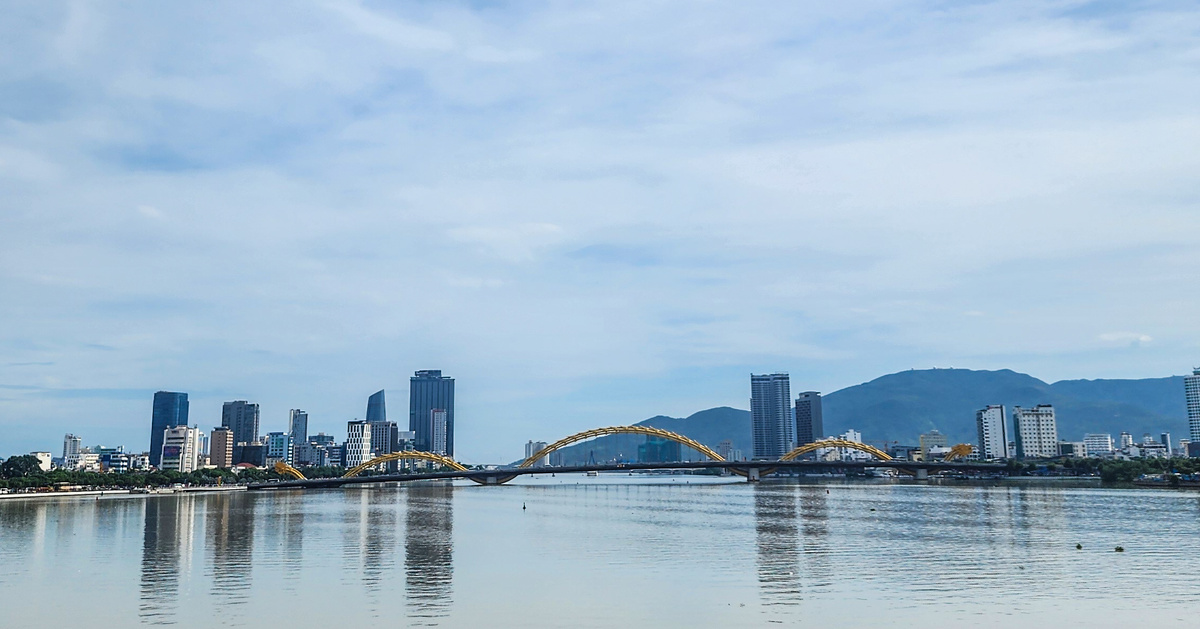
Son Tra covers a varied area, from developed coastal streets to locations closer to the green peninsula.
Some neighbourhoods offer convenient beach access and modern accommodation.
Others are quieter but farther from the cafés, shops and services you might use daily.
The peninsula itself is known for scenic roads, forested hills and the famous Lady Buddha statue.
Best for: Travellers who want coastal scenery or a quieter environment, provided they’re comfortable with the specific location.
Always check the property address rather than relying on the name Son Tra alone.
Inland Residential Areas: More Local, Less Convenient for First-Timers

Farther from the beachfront, Da Nang has residential neighbourhoods with a more local atmosphere.
Some properties may offer better value or more living space.
However, you’ll often rely more heavily on transport, especially if you want to visit the sea every day.
For a first extended stay, I’d generally prefer to begin in a neighbourhood where the essentials are within walking distance.
Da Nang Neighbourhoods Compared
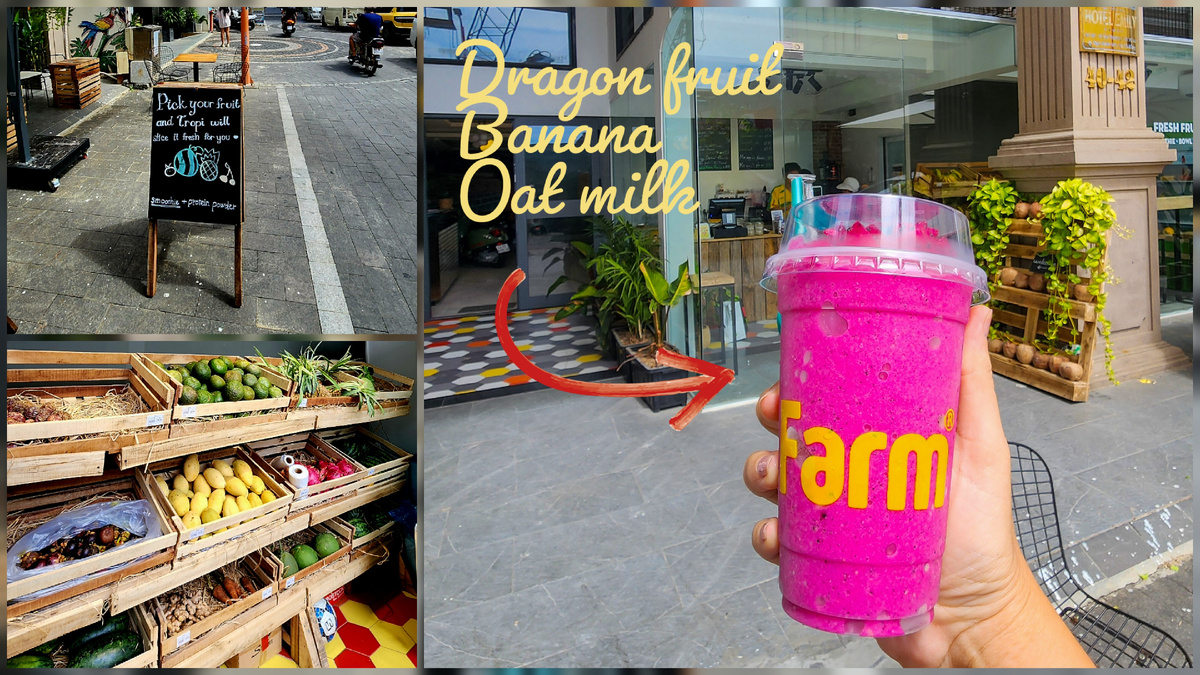
| Area | Main advantage | Main compromise |
|---|---|---|
| My An / An Thuong | Walkable beach lifestyle, cafés and apartments | Some streets are busy or noisy |
| Hai Chau | Urban services, markets and riverfront | Farther from the beach |
| Coastal Son Tra | Scenic location and varied accommodation | Convenience depends on the address |
| Inland residential areas | More local atmosphere and potentially lower rent | Greater dependence on transport |
What I’d Check Before Renting an Apartment in My An
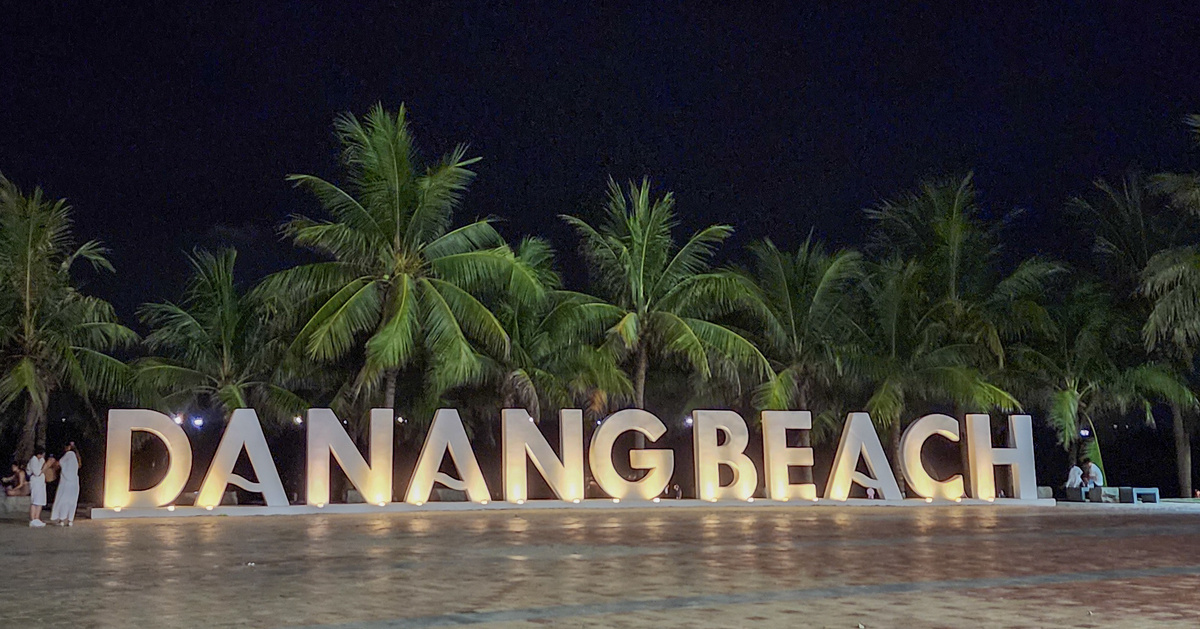
After staying in Da Nang, I wouldn’t choose an apartment based on attractive photographs alone.
For a one-month rental, I’d check:
- The actual walking route to the beach. A short distance on a map doesn’t always translate into a convenient walk.
- Street noise. Check for bars, karaoke venues, traffic and construction nearby.
- Internet and workspace. Ask about Wi-Fi speed and whether there’s a proper desk or comfortable work area.
- Electricity charges. Find out whether electricity is included and what rate applies to air-conditioning usage.
- Kitchen and washing machine. These can make a big difference during a long stay.
- Deposit and payment terms. Confirm what’s refundable and whether any cleaning or management fees apply.
- Rainy-season conditions. If staying during autumn, ask about previous flooding, drainage and any problems with the building.
For a longer booking, recent reviews and a precise address are far more useful than generic descriptions such as luxury apartment near the beach.
How Much Does It Cost to Live in Da Nang in 2026?

Da Nang can be comparatively affordable, but the total cost depends on your housing standard, location and daily habits.
A simple apartment booked locally may cost considerably less than a serviced apartment advertised to international travellers.
A beach-facing property, frequent restaurant meals and regular excursions can increase your budget quickly.
Monthly Living Costs in Da Nang: 2026 Estimates

These are indicative planning ranges for one person, compiled from published 2026 cost-of-living and rental estimates. They’re not my personal expenses or guaranteed rental offers.
| Expense | Budget lifestyle | Comfortable lifestyle |
|---|---|---|
| Furnished accommodation | $250–400 | $400–700 |
| Food and groceries | $180–250 | $300–450 |
| Electricity, water and internet | $40–80 | $60–120 |
| Local transport | $30–60 | $60–120 |
| Gym, cafés and miscellaneous spending | $50–120 | $100–250 |
| Illustrative monthly total | $550–910 | $920–1,640 |
These totals exclude international flights, substantial excursions, visa expenses, insurance and other personal commitments. A particularly cheap apartment may require a longer contract, while a flexible monthly booking can cost more.
For a first month, I’d allow approximately $900–1,500 if you want a comfortable but not luxurious solo lifestyle, while recognising that some travellers spend much less or much more.
The property you choose will usually be the largest variable.
What Makes Apartments More Expensive?

Location near the beach, modern building facilities, balconies with sea views and short booking periods can all increase the price.
There may also be a significant difference between accommodation advertised on international platforms and rentals found through local agents or Vietnamese-language listings.
But a cheaper monthly price isn’t automatically better.
Check what is included, especially electricity, water, cleaning, internet and deposits.
And remember that a hotel-style booking with flexible cancellation is a different product from a residential lease requiring a longer commitment.
My Approach to Spending in Da Nang
I wasn’t looking for the cheapest possible version of life in Vietnam.
I wanted a comfortable apartment, a good neighbourhood, easy access to the sea and enough nearby facilities that I wouldn’t need to organise transport constantly.
That balance was more valuable to me than reducing every expense.
If you’re planning a long stay, decide which conveniences matter most before comparing prices.
Da Nang Weather: When Is the Best Time for a Long Stay?

Weather is one of the biggest factors in deciding when to live in Da Nang.
Central Vietnam has a different seasonal pattern from destinations in the south.
A beautiful beach month in spring doesn’t mean you’ll have the same conditions in late autumn.
February to August: The Drier Months

The generally drier season runs from around February through August.
March, April and May are particularly attractive for comfortable temperatures, outdoor activities and beach time.
As summer progresses, conditions can become very hot and humid.
You may find yourself planning walks, exercise and sightseeing around the cooler parts of the day.
For me, the sea and early-morning activity made this rhythm enjoyable.
September to January: Rainier and Less Predictable
Rainfall usually increases from September, with October and November often bringing the heaviest rain.
Tropical storms, dangerous sea conditions and local flooding can affect the region.
This is important even if you’re planning to work remotely rather than spend every day at the beach.
Heavy weather can disrupt transport, outdoor activities and ordinary errands.
If you’re renting during this period, ask about the building’s drainage, access roads and history of flooding.
The city still has cafés, gyms, shopping facilities and other indoor options, but that doesn’t eliminate the inconvenience of severe weather.
When I’d Choose to Stay

| Priority | Suggested period |
|---|---|
| First visit or first month | March–May |
| Regular swimming and beach activities | Generally April–August |
| Motorcycle day trips | Prefer the drier months |
| Remote work with flexibility | Possible year-round, with weather precautions |
| Avoiding heavy rain and flooding risk | Avoid relying on October–November for outdoor plans |
Weather varies between years, so use this as a planning guide rather than a guarantee.
Da Nang vs Nha Trang vs Chiang Mai

Da Nang is often compared with other cities popular among long-term travellers.
Two comparisons are especially useful: Nha Trang, another Vietnamese coastal city, and Chiang Mai, a long-established destination for remote workers in northern Thailand.
I’ve spent time in Nha Trang, and my personal impression was that its central tourist areas felt more resort-oriented than Da Nang.
Da Nang seemed to offer a more comfortable balance between ordinary urban life and beach access.
That doesn’t mean one city is objectively better.
It depends on the neighbourhood and the lifestyle you’re looking for.
Lifestyle Comparison

| Da Nang | Nha Trang | Chiang Mai | |
|---|---|---|---|
| Beach | Yes | Yes | No |
| Urban infrastructure | Extensive | Extensive | Extensive |
| Main seasonal concern | Heavy autumn rain and storms | Seasonal rain and rough seas | Smoke and air pollution during burning season |
| Surroundings | Coast, mountains, Hoi An and Hue | Coast, islands and countryside | Mountains and northern Thai cultural sites |
| Why choose it | City conveniences combined with beach life | Coastal living with a prominent resort atmosphere | Inland city lifestyle and access to northern Thailand |
If I wanted a beach-oriented holiday atmosphere, I’d consider Nha Trang.
If I wanted to live inland and explore northern Thailand, Chiang Mai would offer something quite different.
But for my own combination of work, walking, sea access and spontaneous excursions, Da Nang was the best fit of the three.
Practical Things to Know Before a Long Stay
Visas and Permitted Length of Stay
Your permitted stay in Vietnam depends on your nationality and entry conditions.
Vietnam offers an official electronic visa with a maximum validity of 90 days, available for single or multiple entries.
The published government fee is $25 for a single-entry e-visa or $50 for a multiple-entry e-visa.
Some travellers may instead qualify for visa exemptions or other arrangements.
Check the official Vietnam e-Visa portal before booking accommodation for a longer period.
An entry visa or permission to remain in Vietnam doesn’t automatically establish the right to undertake local employment. If you plan to work or conduct business in Vietnam, check the rules applicable to your activities.
Transport and Getting Around
One advantage of My An is that many daily errands can be done on foot.
For longer journeys, Da Nang has taxis and ride-hailing services.
A motorbike can offer more flexibility, but traffic conditions, licence validity and insurance coverage need to be considered carefully.
Don’t assume that simply holding a foreign driving licence makes you legally entitled to ride every class of motorcycle in Vietnam.
Internet and Remote Work
Da Nang has plenty of apartment buildings, cafés and work-friendly spaces, especially in neighbourhoods popular with long-term visitors.
However, internet quality varies between properties.
If you depend on video calls or large file uploads, ask for a recent speed test and check the suitability of the workspace before booking.
It’s also useful to have mobile internet as a backup.
Short-Term Rentals vs Residential Leases
For your first month, a flexible booking may be worth the extra cost.
You can get to know the neighbourhood and decide whether you want to stay longer.
If you’re considering a residential lease, confirm the contract duration, deposits, utility charges, guest-registration requirements and early termination conditions.
It’s much easier to compare apartments once you’ve spent some time walking around the areas you actually like.
Best Day Trips from Da Nang
One reason I enjoyed living in Da Nang was the variety of nearby destinations.
I could maintain a normal routine during the week and explore somewhere completely different whenever I wanted.
You don’t have to choose between urban life and travel.
Hoi An: For an Atmospheric Evening
Hoi An is one of the easiest excursions from Da Nang.
Depending on traffic and your starting point, it generally takes around 40–60 minutes to reach the historic centre by road.
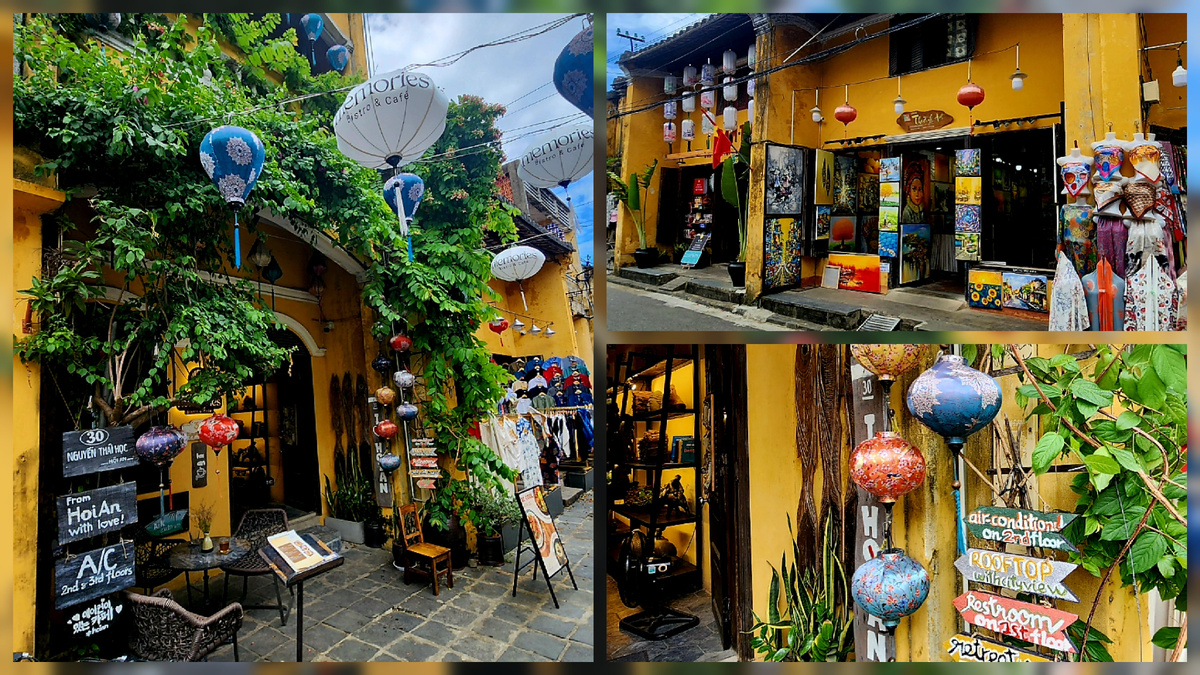
The yellow buildings, lanterns, narrow streets and riverside atmosphere are especially appealing later in the day.
Best for: An afternoon and evening trip, with dinner before returning to Da Nang.
Hue: For Imperial History
Hue offers a completely different experience, with its imperial citadel, royal tombs, temples and distinctive food culture.
A long day trip is possible, but I think the city deserves more time if you’re especially interested in history.
Best for: A full day or overnight trip.
Hai Van Pass: For the Journey Itself
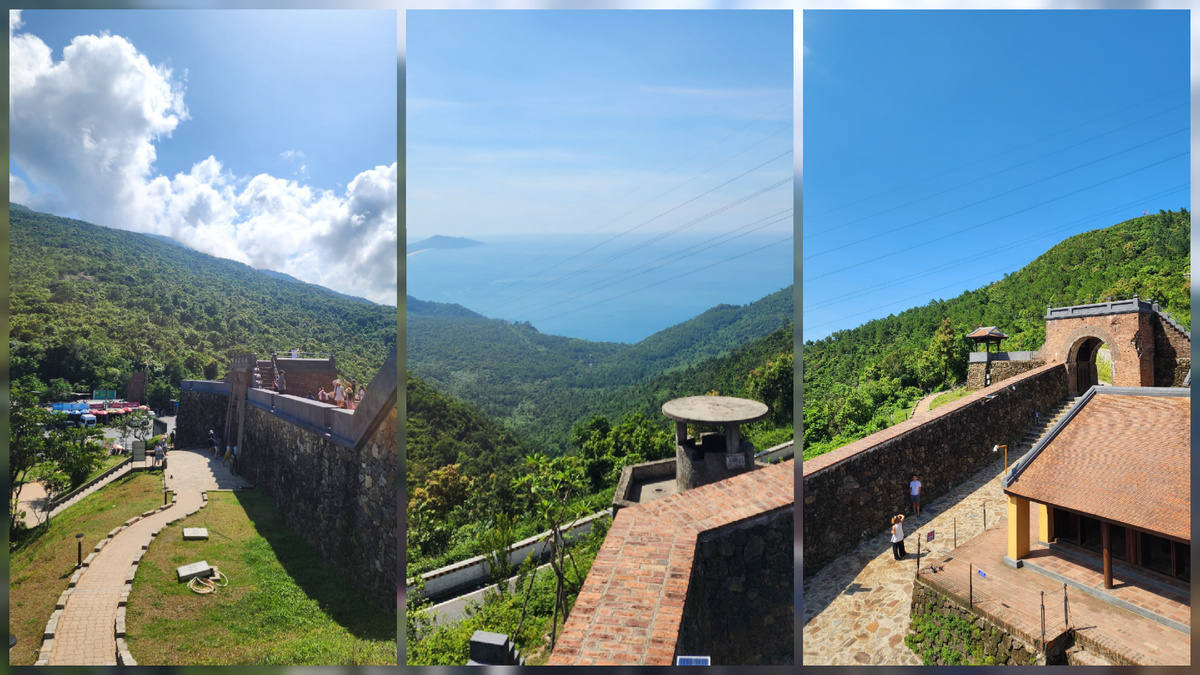
Hai Van Pass is one of central Vietnam’s most scenic roads, with mountain bends and views over the coastline.
It’s a route worth travelling for the scenery rather than simply as a way to reach somewhere else.
Best for: A road trip with plenty of time for viewpoints and stops.
Ba Na Hills: For Architecture and Entertainment
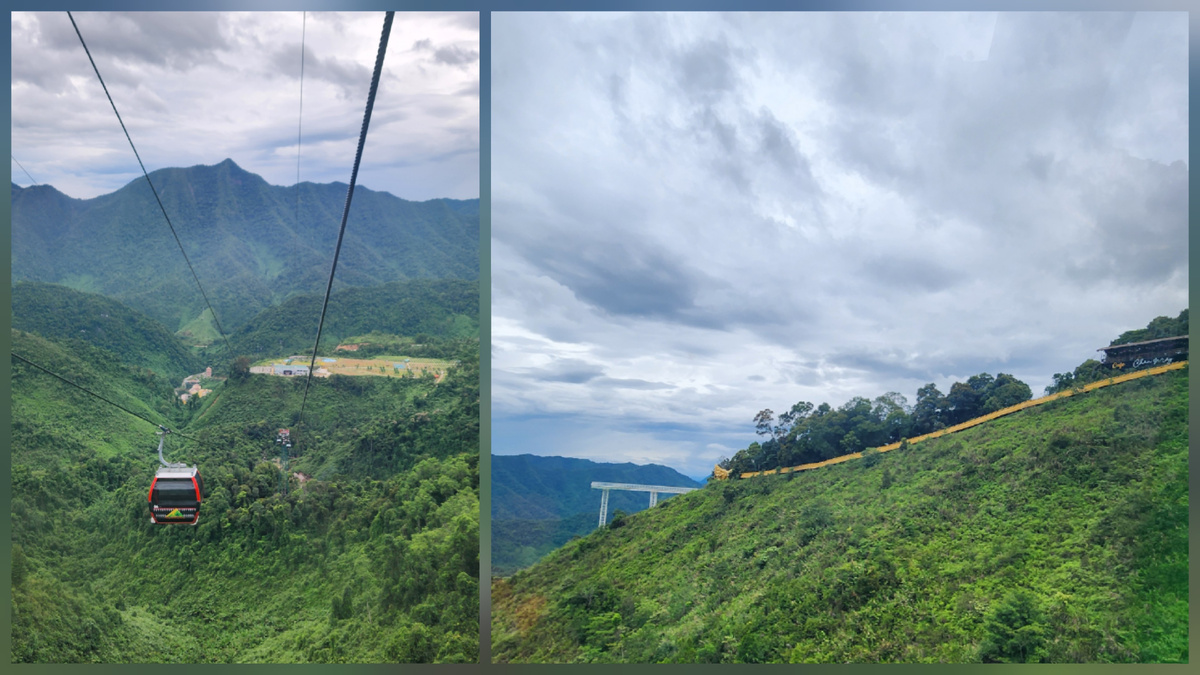
Ba Na Hills combines mountain cable cars, the Golden Bridge with giant sculpted hands, French-inspired architecture and entertainment.
It’s a designed tourism complex, not a preserved French town.
If you enjoy unusual architecture and large attractions, allow a full day rather than rushing in for photographs.
Best for: A full-day mountain excursion.
Son Tra Peninsula: For a Short Scenic Escape
The Son Tra Peninsula is close enough for a relatively easy outing from central Da Nang.
Its coastal roads, green hills, temples and Lady Buddha statue make it a good option when you don’t want a long journey.
Best for: Half a day of sightseeing and viewpoints.
Dong Giang Heaven Gate: For Mountains and Nature
Dong Giang Heaven Gate is a more substantial excursion into the mountains west of Da Nang.
With scenic viewpoints and dramatic rock formations, it’s an attractive option when you want to explore beyond the better-known coastal routes.
Best for: A full day, allowing plenty of time for the drive.
Han River: For an Evening Without Leaving the City
Even staying within Da Nang, you can experience a different atmosphere after sunset.
I particularly enjoyed the illuminated bridges and a spontaneous night cruise along the Han River.
For practical cruise options and planning advice, see my guide:
Han River Cruise Da Nang: Is It Worth It at Night?
For the city’s famous fire-and-water performance, including the best free viewing spots:
Dragon Bridge Da Nang: Fire Show Times & Best Viewing Spots
Day Trips Compared
| Destination | Main experience | Recommended time |
|---|---|---|
| Hoi An | Historic streets and riverside evenings | Half to full day |
| Hue | Imperial history | Long day or overnight |
| Hai Van Pass | Scenic driving route | Half day or longer |
| Ba Na Hills | Mountain attractions and Golden Bridge | Full day |
| Son Tra | Temples and coastal viewpoints | Half day |
| Dong Giang | Mountain scenery | Full day |
| Han River | Illuminated bridges and cruises | Evening |
If you’d rather not organise transport independently, compare tours according to the pickup location, entrance fees and how much time is actually spent at the destination.
Who Should Consider Living in Da Nang?
Da Nang is a particularly appealing option if you enjoy an active routine and want city conveniences near the sea.
It’s also a useful base for travellers who don’t want to change accommodation every few days while exploring central Vietnam.
I’d consider it a good fit if you:
- Want to walk to the beach regularly.
- Work remotely or have a flexible routine.
- Enjoy cafés, gyms, restaurants and everyday urban services.
- Like combining ordinary weekdays with occasional excursions.
- Prefer having several different neighbourhoods to choose from.
It may be less suitable if you need reliable beach weather throughout the year, dislike busy roads or want a resort environment with organised entertainment.
Would I Live in Da Nang Again?
Yes.
I came to Da Nang looking for somewhere I could stop travelling for a while without feeling that I’d stopped discovering Vietnam.
My An gave me an easy daily routine. The beach was a few minutes away, and whenever I wanted a change of scenery, Hoi An, the mountains and the roads of central Vietnam were close enough to explore.
After six weeks, what I appreciated most wasn’t any particular attraction.
It was how comfortable the ordinary days had become.
That’s the reason I’d consider living in Da Nang again.
Useful Travel Resources
Planning a short visit or an extended stay in Da Nang? These resources can help you compare accommodation, arrange your arrival and explore central Vietnam.
Where to Stay
For a longer stay near the beach, start with My An and An Thuong. If you prefer the urban waterfront, compare options around Hai Chau and the Han River. Always check the exact address and accommodation conditions.
Flights to Vietnam
Da Nang International Airport is close to the city centre and makes it convenient to connect central Vietnam with other destinations. Compare flight times, baggage allowances and arrival options before booking.
Tours & Activities
From Hoi An and Hue to Ba Na Hills, the Hai Van Pass and the Han River, there are plenty of experiences to enjoy from a Da Nang base. Compare tour programmes and ticket inclusions.
Airport Transfers
A prearranged transfer can be especially convenient if you’re arriving late or travelling with several suitcases. Check vehicle size, flight tracking and the pickup location.
eSIM & Mobile Internet
Mobile data is useful for navigation, ride-hailing, accommodation check-in and staying connected while travelling. Compare Vietnam eSIM plans and device compatibility before departure.
Car Rental
For independent journeys beyond Da Nang, compare vehicle availability, rental conditions, insurance and driving-licence requirements. A rental car may be more useful for longer regional trips than everyday city transport.
Some links on this page are affiliate links. If you make a booking or purchase through one of them, I may earn a small commission at no extra cost to you.