
Da Nang Motorbike Route: Hai Van Pass, Son Tra & Marble Mountains in 24 Hours
My Da Nang motorbike route was not a perfectly optimized sightseeing itinerary. It was 24 hours with a rented Honda ADV 150, one brake mistake, a spectacular mountain road, a sunrise I missed, a Son Tra checkpoint I could not pass, a forgotten power bank and completely wrong shoes for Marble Mountains.
And I would still do most of it again.
One important clarification: this was a 24-hour motorbike rental, not a sightseeing day from sunrise to midnight. I picked up the bike during the day, rode Hai Van Pass first, then used the following morning for Son Tra and Marble Mountains before returning it.
That makes the route much more realistic than trying to force all three areas into one daylight window.
My Da Nang Motorbike Route at a Glance
| Rental period | Route |
|---|---|
| Day 1 | Pick up motorbike and check the bike |
| Day 1 afternoon | Hai Van Pass |
| Late afternoon | Hai Van Quan + scenic stop |
| Next morning | Linh Ung Pagoda and Lady Buddha |
| Morning | Son Tra coastal road + attempted Ban Co route |
| Later morning | Tinh Vien Son Tra + Son Tra Marina |
| Final stop | Marble Mountains |
| Before 24 hours ended | Return motorbike |
If you only want the short version: Hai Van was the best ride, Son Tra was best early in the morning, and Marble Mountains was where I most regretted my preparation choices.
Before You Rent a Motorbike in Da Nang

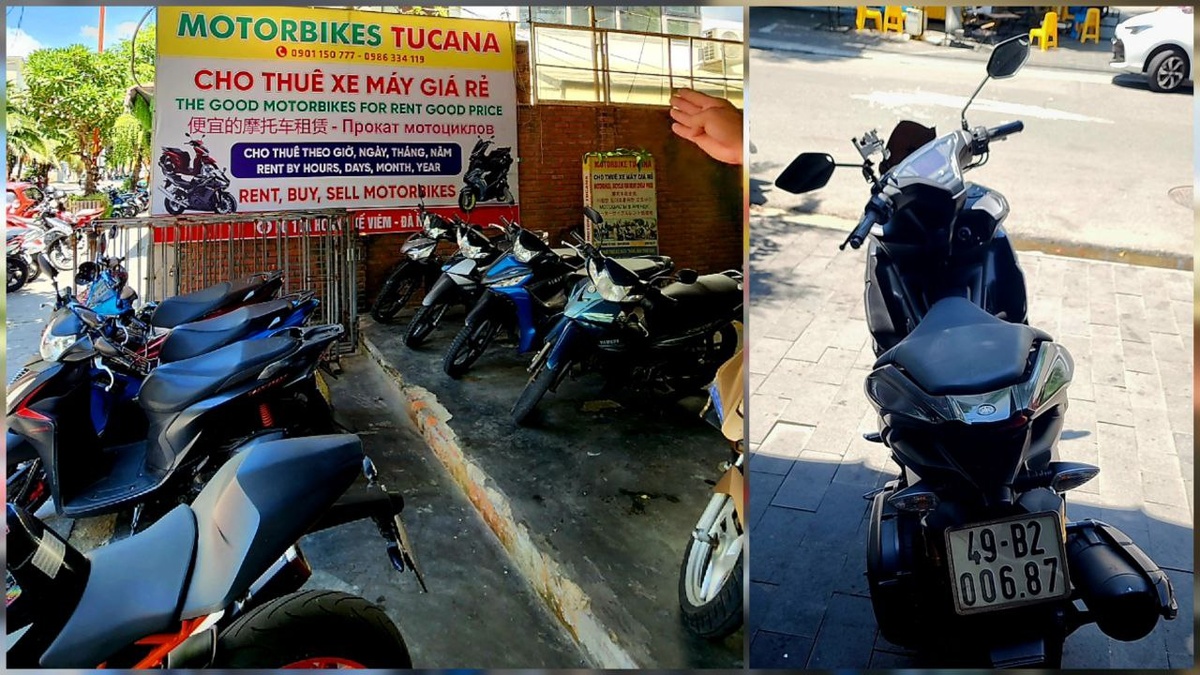
I rented a Honda ADV 150 from a shop near my accommodation.
I prefer a larger, more stable scooter, especially when the route involves hills and exposed roads. At the time of my trip, I paid 150,000 VND for 24 hours.
That is what I paid during my visit, not a current rental quote.
My First Mistake: Not Checking the Brakes Properly
I noticed fairly early that the brakes felt loose.
Uphill, it was annoying.
On the descent, it was much less funny.
Before leaving a rental shop, check:
- front and rear brakes;
- tires;
- lights and indicators;
- horn;
- mirrors;
- fuel level;
- helmet fit.
I would also take a few photos or a short video of the bike before leaving so any existing scratches are documented.
And make sure your licence and travel insurance actually cover the vehicle you are riding.
One Stop Before the Real Ride Began
My day was not as neatly optimized as the route looks on paper.
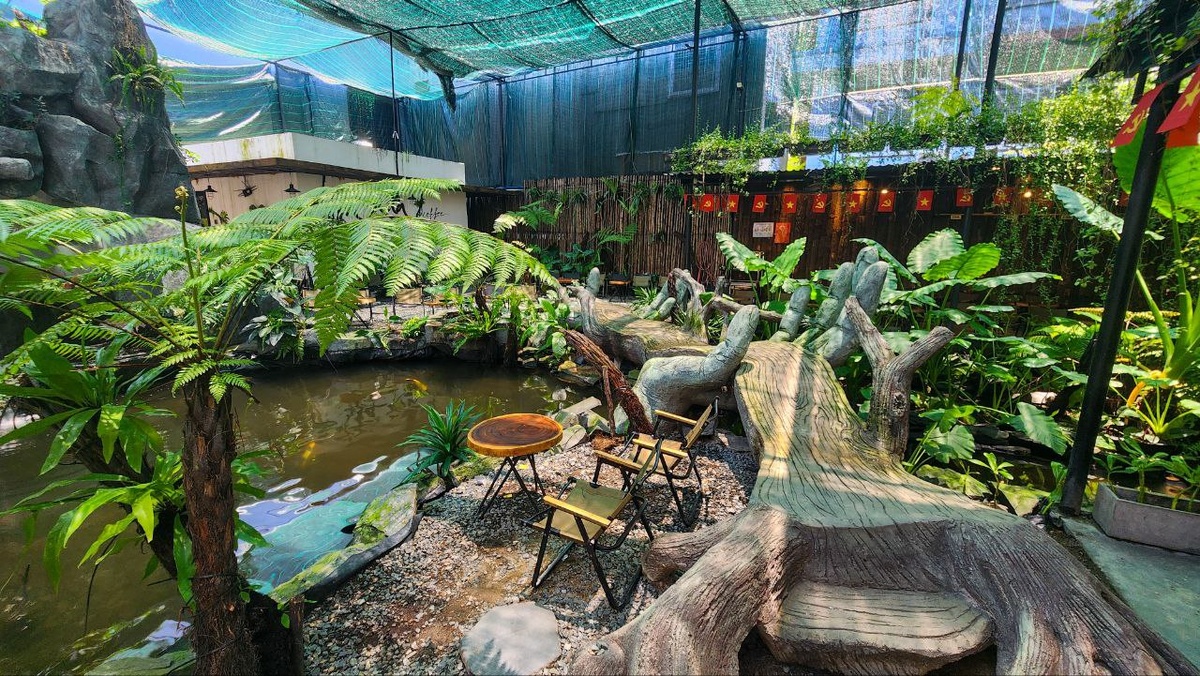
I had a couple of things to do in Da Nang before properly heading north, and one of my stops was Tà Xùa Coffee.
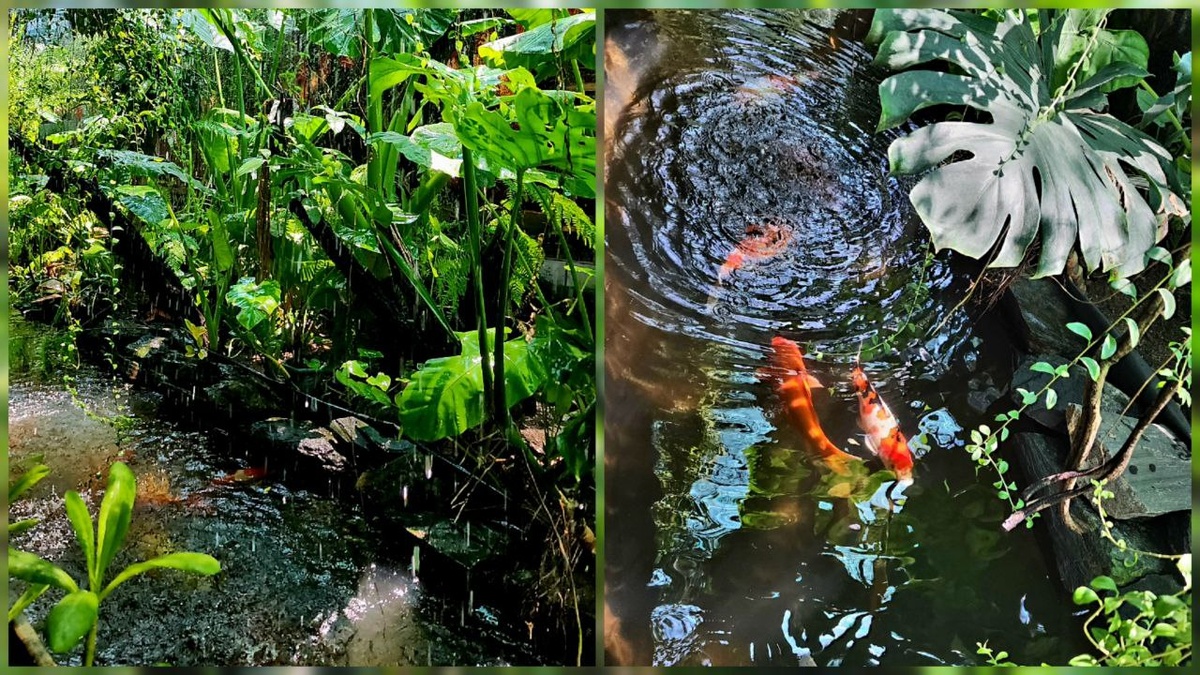
The café plays with the atmosphere of northern Vietnam: wooden structures, koi below, greenery and artificial mist drifting through the garden.
It was a slightly theatrical but surprisingly pleasant place to sit for a while before heading toward the real mountains.
Then I finally pointed the bike north.
Hai Van Pass: The Road I Wanted the Bike For
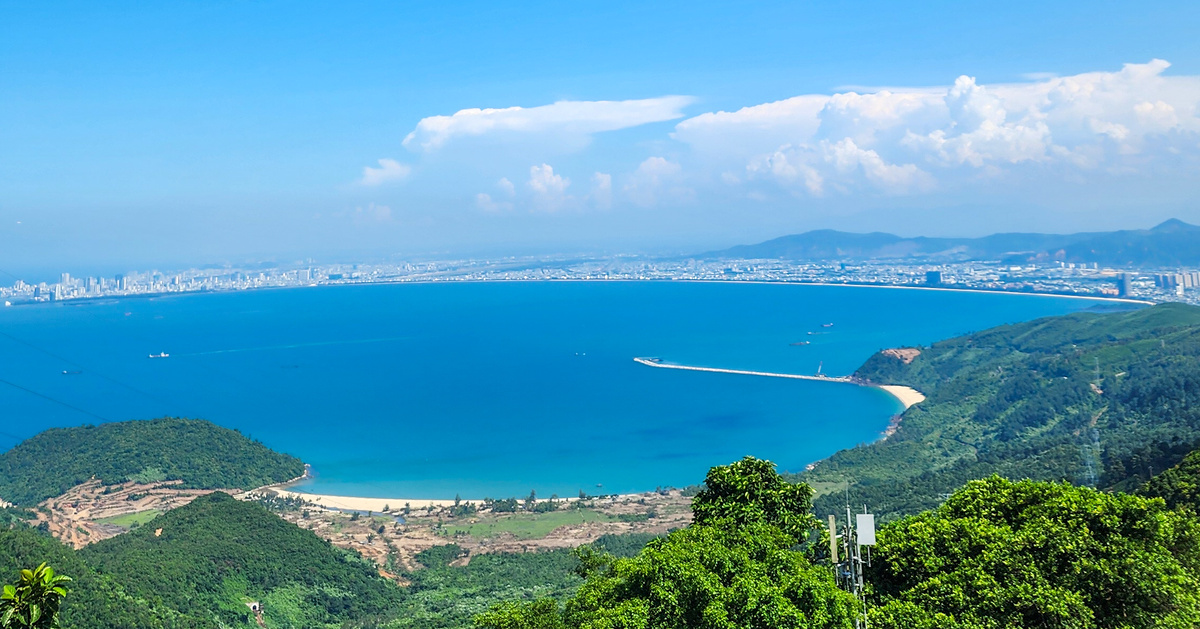


Da Nang traffic can feel chaotic when you first start riding.
Horns everywhere. Movements that do not always match the indicators. A flow that starts making more sense only when you stop expecting everyone to behave like drivers in Europe.
Then you leave the city.
The road toward Hai Van Pass changes everything.
Buildings thin out.
The hills get greener.
The sea appears beside the road.
And suddenly the motorbike stops feeling like transport and becomes the reason for the trip.
The scenery reminded me of riding around southern Phuket, especially the roads between Nai Harn and Kata: smooth asphalt, greenery, curves and bright water appearing beside you.
I would not ride Hai Van fast.
The road is too scenic for that anyway, and the descent deserves respect.
Hai Van Quan

At the summit is Hai Van Quan, the historic fortified gateway at the pass.
At the time of writing, visiting the site itself is free.
The summit is lively without feeling overwhelming. There are motorbike groups, open-top jeeps, small cafés and people stopping for photos before continuing across the pass.
I stopped for fresh juice.
It was the middle of July, and the heat had reached the point where a cold drink felt like a major attraction in its own right.
My Stop at Hai Van Xanh
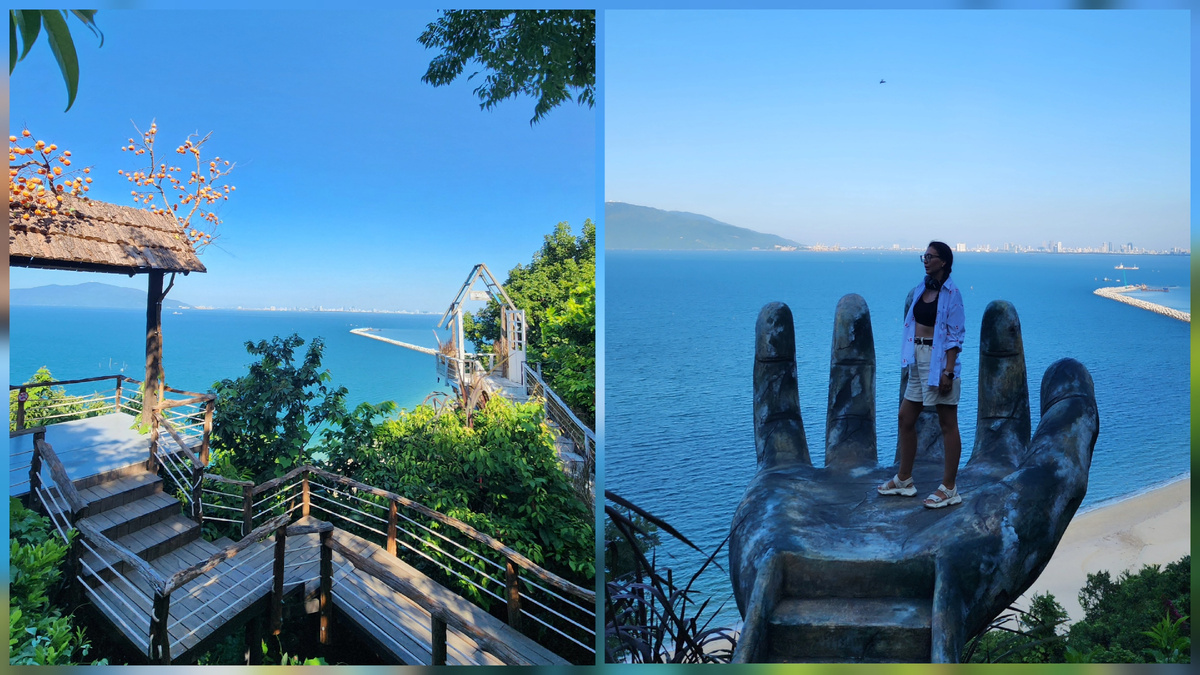
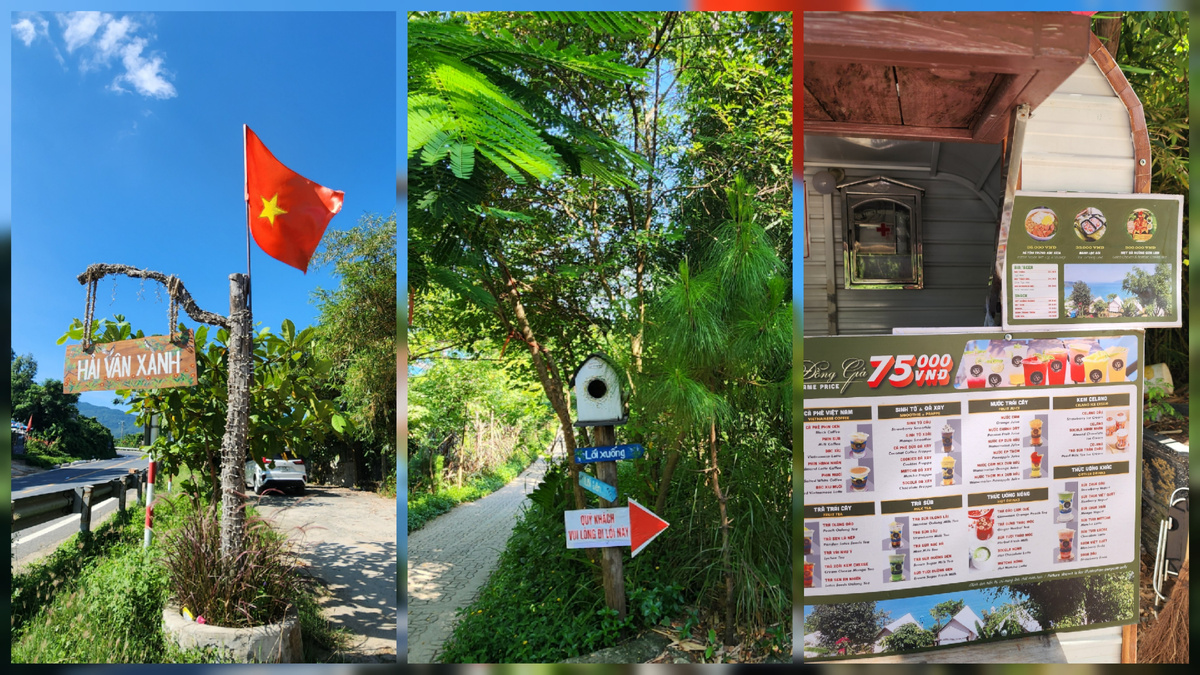
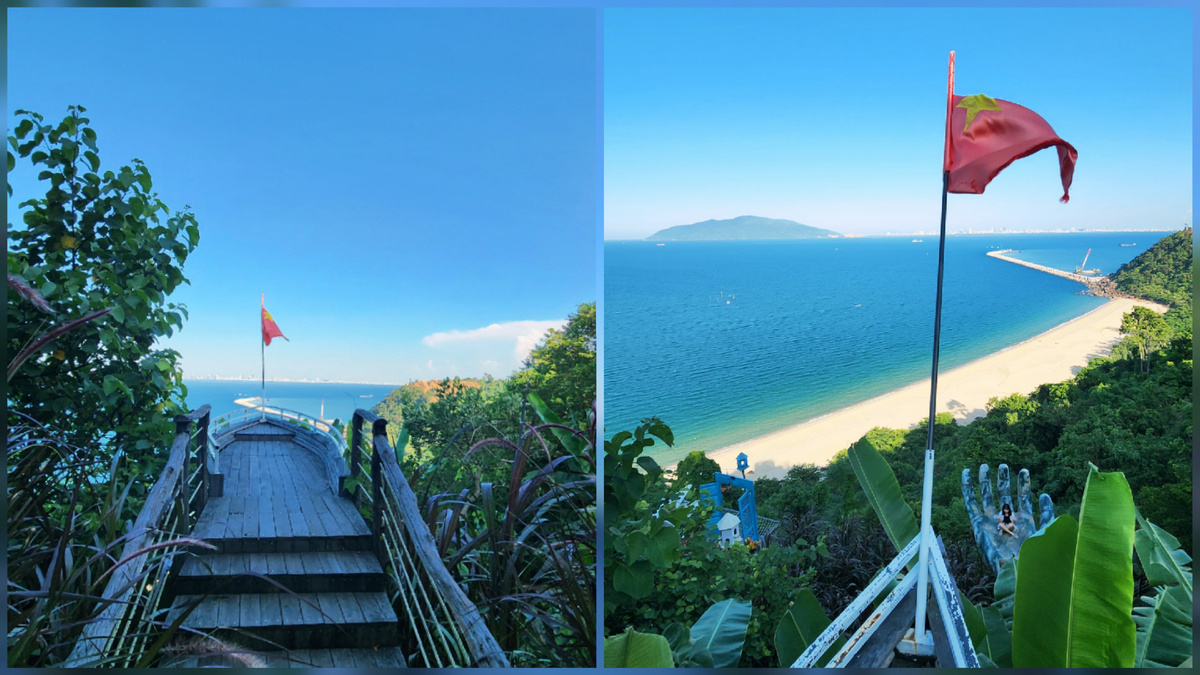
A little farther along, I stopped at Hải Vân Xanh Glamping.
When I visited, I paid 75,000 VND, including a drink. Again, that is the price from my own trip, not a current rate to rely on.
The place is designed around viewpoints and photos: landscaped corners, arches, a piano, a large artificial hand extending above the scenery.
Normally I am slightly suspicious of places built mainly around photo props.
But the real view over Da Nang Bay did most of the work.
I sat near the edge with a cold drink and watched the coast below.
That was enough.
Next Morning: Son Tra Before the Crowds
The second half of my 24-hour rental started early.
The plan was to catch sunrise on Son Tra Peninsula near Linh Ung Pagoda.
I missed it.
The sun was already up before I got there.
Oddly, I did not care much.
Riding along Da Nang’s waterfront while the city was waking up became one of my favorite parts of the entire route.
The air was cooler, the light was soft and the road felt almost empty compared with the city later in the day.
Sometimes missing the planned moment gives you a better one on the way there.
Linh Ung Pagoda and Lady Buddha
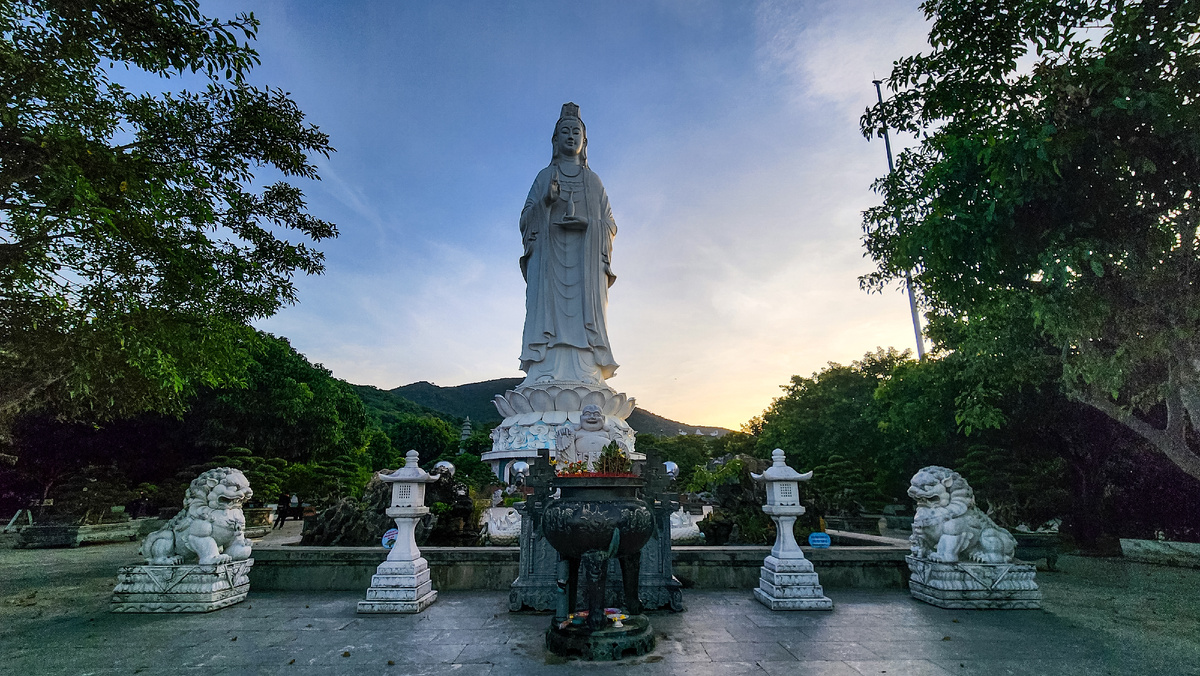


I reached Linh Ung Pagoda at around six in the morning.
There were only a few other people around.
If you want to experience this place before the tour buses arrive, early morning is worth the alarm.
The huge white statue most visitors know as Lady Buddha represents Guanyin, the Bodhisattva associated with compassion and mercy.
At around 67 meters high, it dominates the peninsula and faces the sea.
But I liked the rest of the grounds just as much.
There are bonsai, temple buildings and a row of 18 Arhat statues, each with a different expression and posture.
In the early-morning quiet, they felt much more striking than they would have surrounded by a crowd.
The viewpoints around the complex also open back toward Da Nang and the bay.
From street level, Da Nang feels spread out.
From Son Tra, the coastline and city suddenly fit into one frame.
Riding Deeper Into Son Tra
After Linh Ung, I continued farther along the peninsula in the direction of the InterContinental Danang Sun Peninsula Resort.
The road was almost empty.
Smooth asphalt, dense greenery and glimpses of the coast made this one of the prettiest riding sections of the entire 24 hours.
I also started seeing monkeys near the roadside.
They looked completely comfortable around passing vehicles.
If you see monkeys or red-shanked douc langurs on Son Tra, keep your distance and do not feed them.
The Checkpoint That Ended My Ban Co Plan
I wanted to continue toward Ban Co Peak, the viewpoint with the famous chess-player statue.
I also hoped I might get lucky and see red-shanked doucs farther into the peninsula.
Then I reached a checkpoint.
I was riding an automatic Honda ADV 150, and I was not allowed farther along the restricted upper route.
So the refusal was not random.
Automatic scooters are restricted on designated upper mountain roads on Son Tra, including the route toward Ban Co Peak.
A local man offered to take me farther on a manual bike for 200,000 VND.
I declined.
Apart from the extra time, I had created another problem for myself that morning:
I had forgotten my power bank.
My phone battery was already getting low, and a remote mountain detour with someone else, no charger and limited battery did not seem like a clever moment to improvise.
Ban Co could wait.
If Ban Co Peak or the upper Son Tra roads matter to you, check the current vehicle restrictions before choosing your rental bike.
Two Stops I Made Instead
The failed Ban Co plan left me with time for two places I had not treated as major priorities.
Tinh Vien Son Tra
Tinh Vien Son Tra is a bamboo garden hidden among the greenery.
After the exposed coast and mountain roads, it felt surprisingly enclosed and calm.
It was not a major bucket-list attraction.
That was part of the appeal.
I had not planned the morning around it, and it became one of those small stops that works precisely because you are not expecting much from it.
Son Tra Marina
I also stopped at Son Tra Marina near the base of the peninsula.
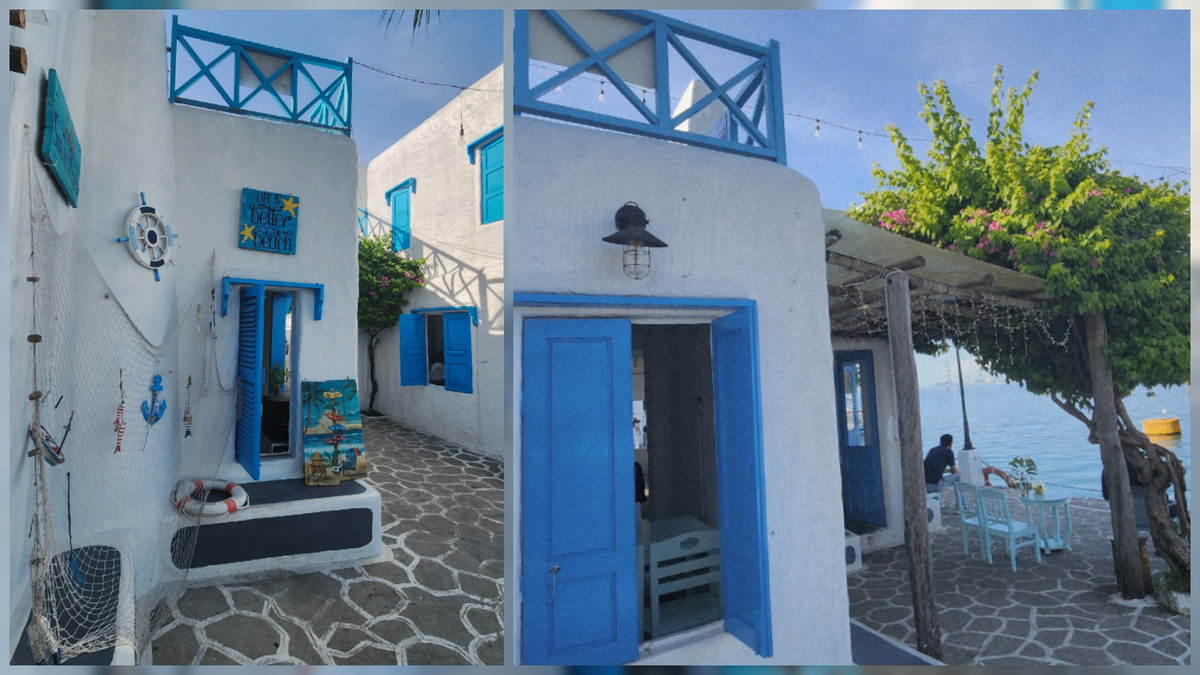
The white-and-blue design clearly leans into a Santorini-inspired look.
It is photogenic, slightly theatrical and completely different from the forest roads above.
I stopped for coffee, then had to return to the apartment for the power bank I had forgotten before heading to the final major stop.
Final Stop: Marble Mountains


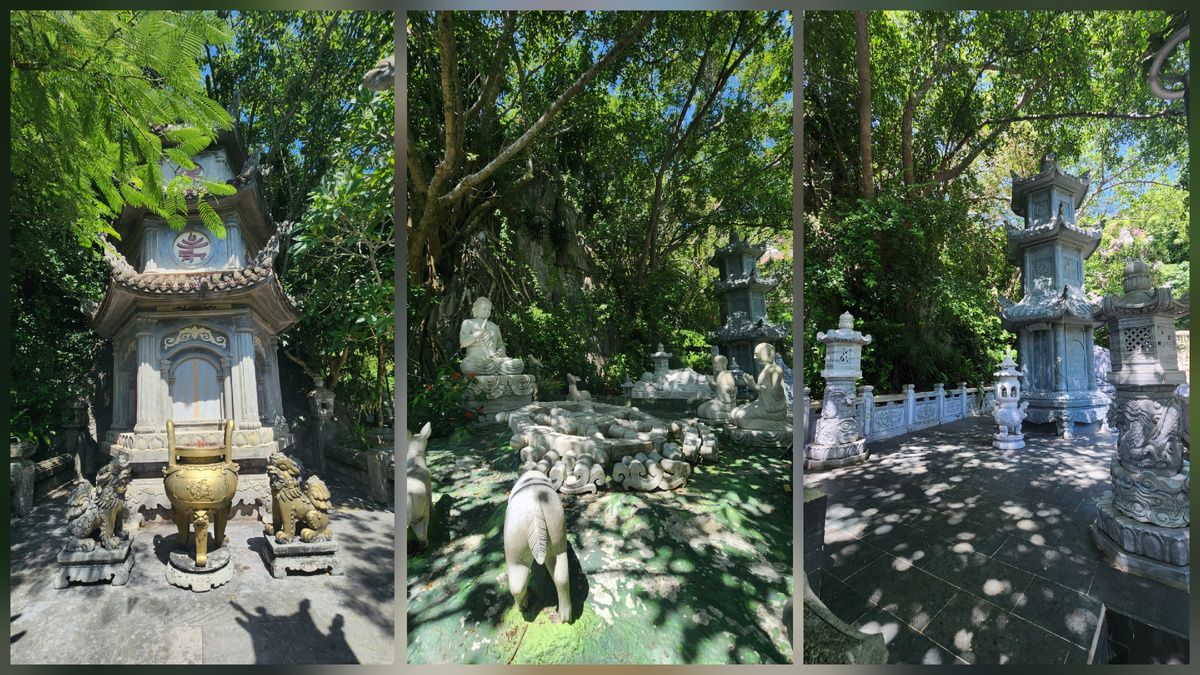
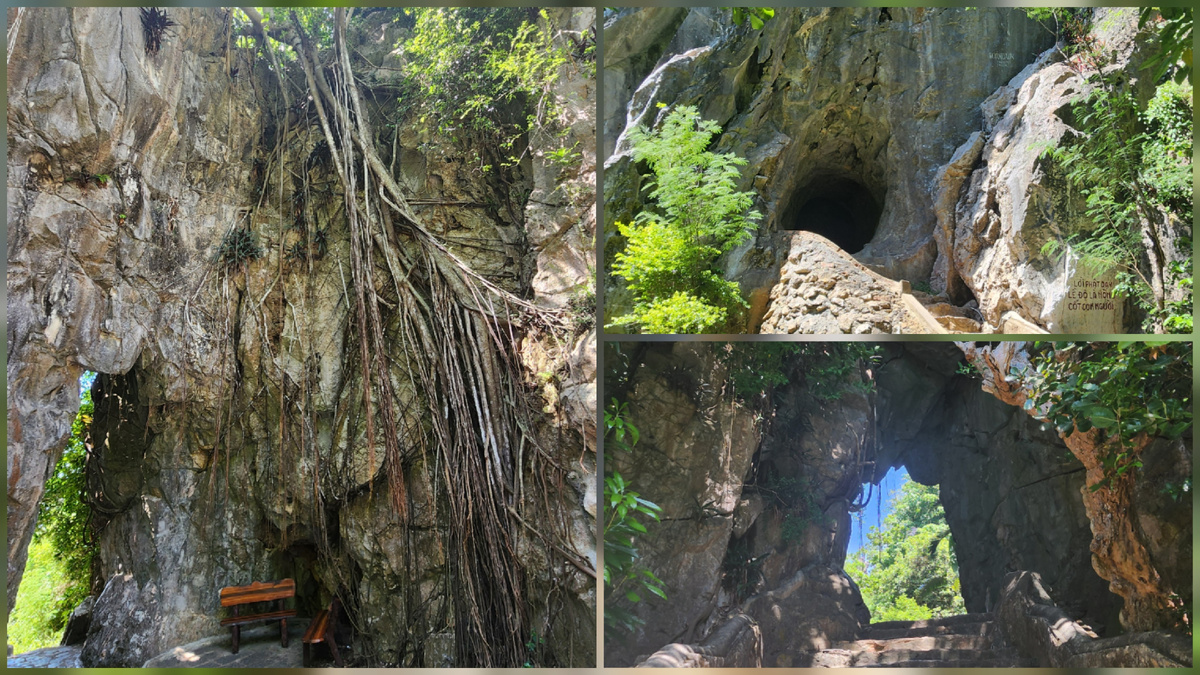
My last stop was Marble Mountains.
By then I had already ridden Hai Van, woken up early for Son Tra, failed to reach Ban Co and made an unnecessary trip home for a charger.
So when I saw the elevator at Thủy Sơn, I had no philosophical objection to using it.
I went up.
Good decision.
My shoes were not.
I had arrived in sandals.
The stone in Marble Mountains can be extremely smooth, and some cave sections are damp.
I reached one of the steeper areas, looked at the route above me and realized I had made a spectacularly bad footwear choice.
I was not so much walking back down as negotiating with gravity.
Half crouched, grabbing the rock, trying not to slide.
So my advice is uncomplicated:
wear shoes with grip.
If Marble Mountains is one of the main stops on your trip, my full Marble Mountains Da Nang guide covers the tickets, caves, elevator, Âm Phủ Cave and the best route through Thủy Sơn.
Then I Saw the Heaven Gate Sign
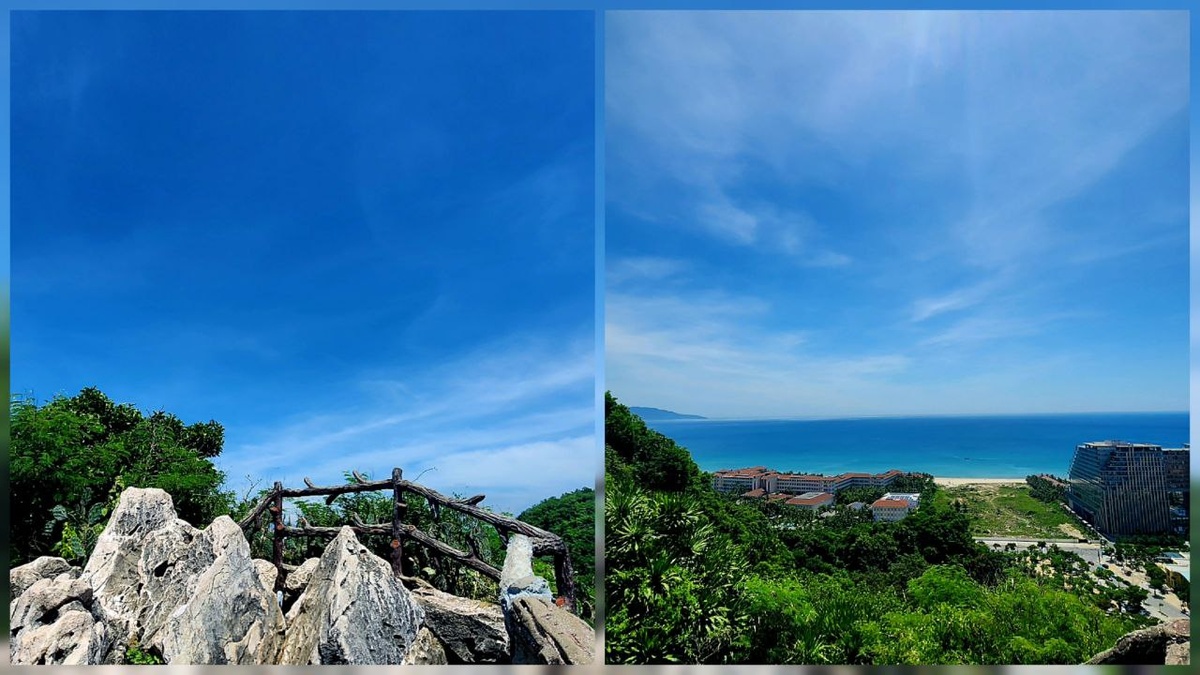
Common sense had apparently won for about ten minutes.
Then I saw a sign for Heaven Gate and started climbing again.
The steps were large.
The sun was brutal.
The stone was hot.
Several times I considered turning around.
Then I kept going.
Eventually I reached the top.
Was the view dramatically better than every easier viewpoint below?
Honestly, no.
You can get very good views without doing the hardest climb.
But by then, the appeal was no longer just the panorama.
It was the feeling of reaching the top after spending half the climb questioning the decision.
That part I remember.
Would I Do This Da Nang Motorbike Route Again?
Yes to the route. No to several of my decisions.
Hai Van, Son Tra and Marble Mountains fit surprisingly well into one 24-hour rental because they show completely different sides of Da Nang.
Hai Van is about the ride itself.
Son Tra gives you coastline, forest, temples and quiet morning roads.
Marble Mountains changes the experience again with caves, pagodas and steep stone paths.
I would simply prepare better.
1. Check the Bike Properly
Especially the brakes.
2. Check Son Tra Vehicle Restrictions Before Renting
If Ban Co or the upper roads matter to you, choose the bike only after checking what is currently permitted.
3. Carry a Power Bank
Maps, photos, messaging and navigation all depend on the same battery.
4. Wear Proper Shoes to Marble Mountains
This one should have been obvious.
It was not.
Who Is This Route For?
You need to be comfortable riding in Vietnamese traffic and on mountain roads.
I would not recommend this as someone’s first ever scooter experience.
If you already ride confidently, however, having your own bike gives you something organized tours cannot:
flexibility.
You can stop when Hai Van suddenly opens onto the sea.
Reach Linh Ung before the crowds.
Change the plan when a checkpoint sends you back.
Stay longer somewhere that was supposed to be a ten-minute stop.
That freedom was the main reason the route worked for me.
Want a Longer Motorbike Trip From Da Nang?
If 24 hours around Da Nang is not enough, I also did a longer route outside the city.
My 2-Day Motorbike Trip from Da Nang combines My Son Sanctuary, VinWonders Nam Hoi An and Dong Giang Heaven’s Gate.
It is a very different trip: longer distances, more rural roads and much more time away from central Da Nang.
Planning Your Da Nang Trip
Tours & Activities
If Hai Van, Son Tra or Marble Mountains interest you but you do not want to ride independently:
A guided trip can make much more sense if you are not already comfortable on a motorbike.
Hotels
Da Nang is a practical base for all three parts of this route.
Flights
Da Nang International Airport is the main gateway for this part of Central Vietnam.
The Best Part Was the Movement

I could list Hai Van Pass, Lady Buddha and Marble Mountains as three attractions and leave it there.
But that is not really what I remember.
What stayed with me was the movement between them: city traffic turning into a mountain road, an almost empty peninsula in the morning, plans changing at a checkpoint and a final climb I was badly prepared for.
The mistakes became part of the route.
That is what I liked about having the bike.
Da Nang stopped feeling like a collection of places to visit and became something I was moving through.
Some links in this article are affiliate links. If you book through them, I may earn a small commission at no extra cost to you.


