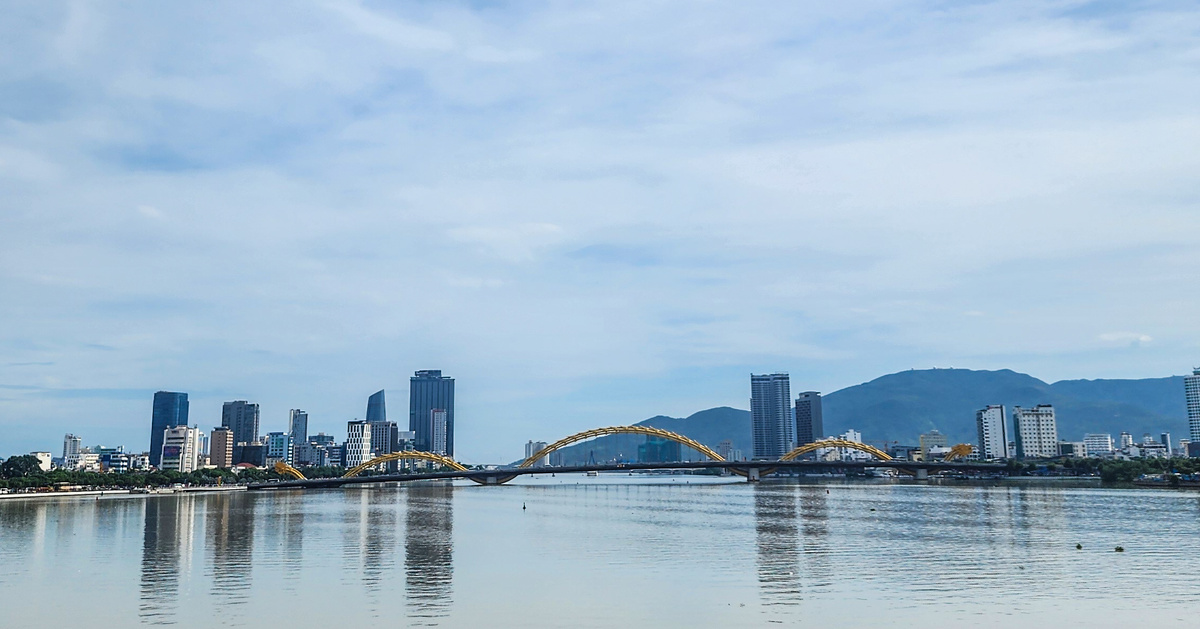
Dragon Bridge Da Nang: Fire Show Times & Best Viewing Spots
The first time I watched Da Nang’s Dragon Bridge breathe fire, I thought we’d chosen a safe place to stand.
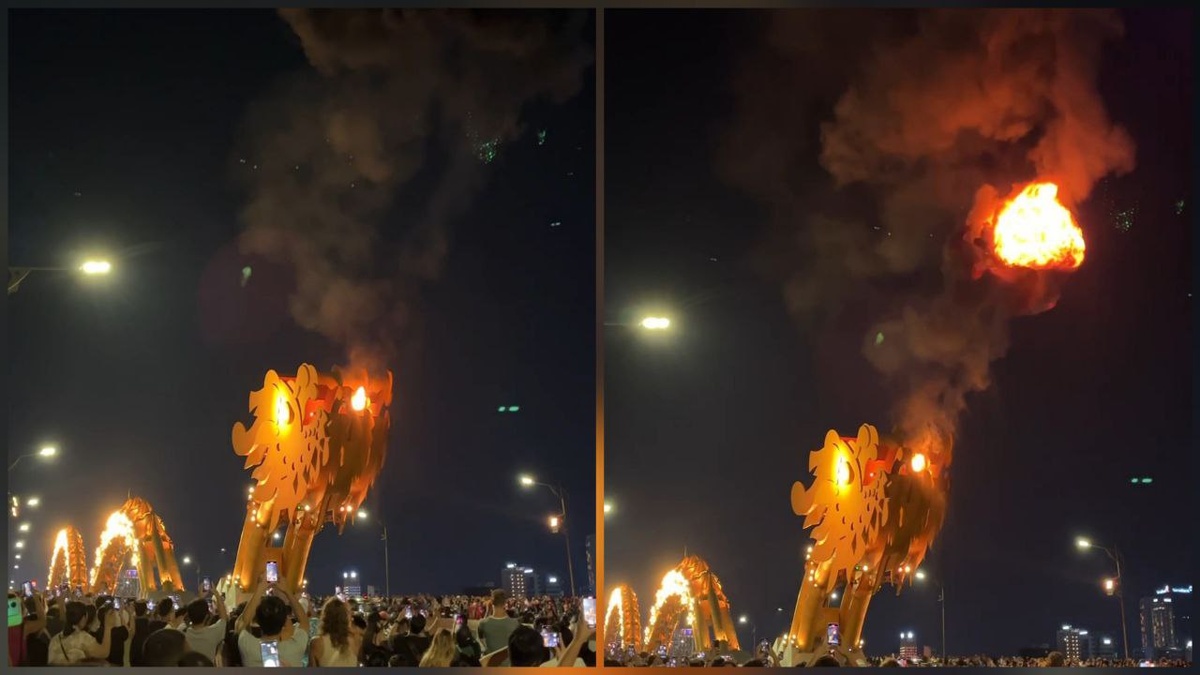
We’d arrived with friends, joined the crowd near the dragon’s head and waited for the show. When the flames burst into the night, everyone cheered. You could feel the heat, hear the excitement and see hundreds of phones pointed towards the golden dragon.
Then came the water.
We hadn’t accounted for the wind. Within moments, we were soaked as if we’d been caught in a tropical downpour.
After spending around six weeks in Da Nang, I can tell you that where you stand matters almost as much as when you arrive.
The Dragon Bridge fire-and-water show is free and normally takes place every Friday, Saturday and Sunday at 9 PM. But there are several ways to watch it, and not all of them involve getting drenched.
Here’s where to find the best views, how to plan your evening and which other bridges in Da Nang are worth exploring.
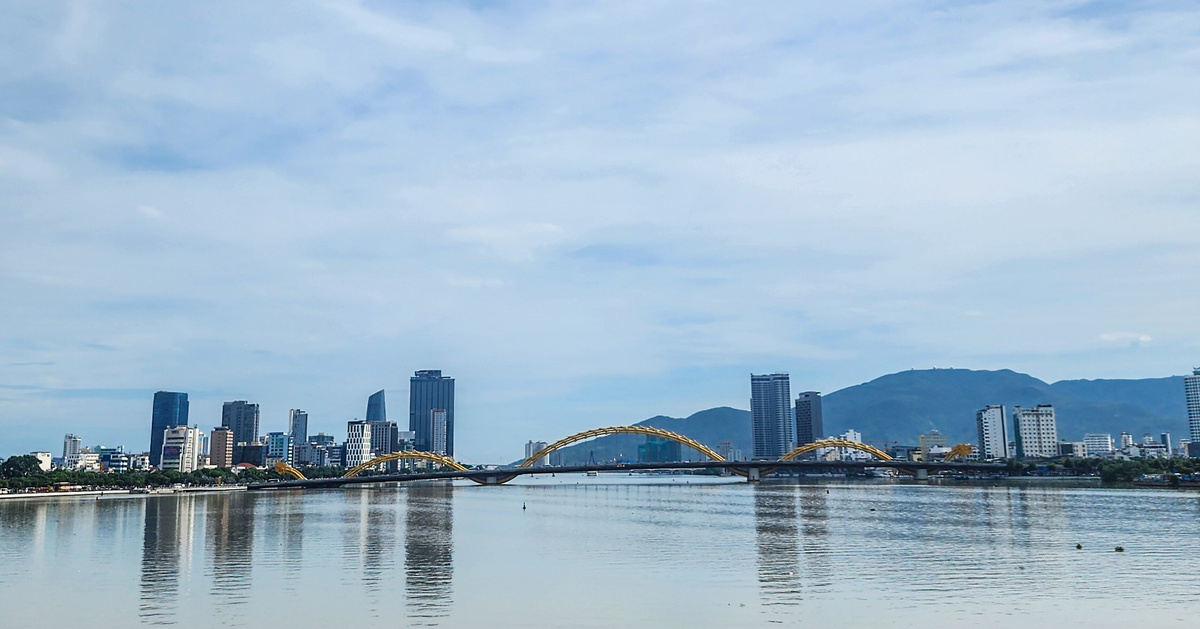
Dragon Bridge Da Nang: Quick Facts
| Vietnamese name | Cầu Rồng |
| Location | Han River, central Da Nang |
| Bridge length | 666 metres |
| Opened | March 29, 2013 |
| Fire show schedule | Friday, Saturday and Sunday at 9 PM |
| Duration | Approximately 10–15 minutes |
| Admission | Free |
| Closest viewing area | Eastern end, near Tran Hung Dao Street |
| Best panoramic views | Western riverfront along Bach Dang Street |
| When to arrive | Around 30–45 minutes before the show |
My recommendation: For the most exciting experience, watch near the dragon’s head on the eastern side. For wider photographs and a little more distance from the water spray, choose the western riverfront. Check the current city schedule before travelling, especially around public holidays.
Best Places to Watch the Dragon Bridge Fire Show
The first decision isn’t whether to buy a ticket. You don’t need one.
It’s where to stand.
Dragon Bridge crosses the Han River between Da Nang’s central districts and the beach side of the city. The dragon’s head faces east, towards the sea, and the fire and water emerge from its mouth.
That makes the eastern end particularly popular on performance nights.
1. Eastern Side: Closest to the Dragon’s Head
The area around Tran Hung Dao Street, near the eastern end of Dragon Bridge, is the place to go if you want to experience the show up close.
This is where you’ll hear the loudest reactions from the crowd and get a close view of the flames.
It’s also where the water can become part of your evening.
We thought we were standing far enough away.
We weren’t.
When the dragon began spraying water, the wind carried it straight towards us. People started laughing, moving away and protecting their phones.
It happened quickly enough that we didn’t have much time to react.
Our clothes were drenched, although fortunately our electronics survived.
Best for: Visitors who want the excitement of being close to the action and don’t mind the possibility of getting wet.
If you’re travelling with young children or dislike tightly packed crowds, I’d choose somewhere with more space to move.
2. Western Riverfront: Better for Wider Photographs
The waterfront along Bach Dang Street offers a different perspective.
From this side, you can frame more of the illuminated bridge against the river and city skyline.
You won’t have the same close-up experience of the dragon’s head, but you can appreciate the overall structure.
This is particularly useful if your priority is photography rather than feeling the heat of the fire bursts.
The exact angle matters, so don’t simply stop at the first opening along the promenade.
Walk a little and check whether you have a clear view of the head and the surrounding bridge.
Best for: Wider photographs, skyline views and people who prefer watching from farther away.
3. Rooftop Bars and Riverside Cafés
If standing in a crowd doesn’t appeal to you, a café or rooftop bar overlooking Dragon Bridge can be a comfortable alternative.
You can sit with a drink and wait for the performance rather than arriving early to secure a place on the pavement.
But there’s an important detail: a river view doesn’t automatically mean a good view of the dragon breathing fire.
Buildings, terrace orientation and distance can affect what you actually see.
Before reserving a table, ask whether the dragon’s head is visible from the seating area. Check for minimum spending requirements as well.
Best for: Couples, families and travellers who prefer a seated evening.
4. Han River Cruise: Watch from the Water
A night cruise offers another perspective on the bridge.
Instead of staying in one place, you travel along the illuminated Han River, passing the skyline and some of Da Nang’s most recognisable structures.
Some cruise operators offer departures arranged around the Dragon Bridge fire show.
However, not every night cruise includes fire-show viewing.
If the performance is your priority, confirm that the boat will be positioned near Dragon Bridge at 9 PM.
For the different types of sightseeing boats, dinner cruises and booking options, I’ve put together a separate guide:
Han River Cruise Da Nang: Is It Worth It at Night?
Best for: Travellers who want a broader evening experience of the city, not only the fire show.
Dragon Bridge Viewing Spots Compared
| Where to watch | Cost | Best feature | What to consider |
|---|---|---|---|
| Near the dragon’s head | Free | Closest to the fire and water | Crowds and possible soaking |
| Bach Dang riverfront | Free | Wider views and photography | Farther from the flames |
| Rooftop or riverside café | Food or drink purchase | Seating and comfort | Actual sightlines vary |
| Han River cruise | Paid ticket | River and skyline views | The show must be included in the schedule |
If it’s your first visit and you don’t mind crowds, I’d start with the free public viewing areas. You can always enjoy the bridges from a boat on another evening.
What Happens During the Dragon Bridge Fire and Water Show?
The performance is short, but it’s surprisingly dramatic for something that takes place on an ordinary road bridge.
First: The Dragon Breathes Fire
At 9 PM, the dragon releases several bursts of flame from its mouth.
The flames are bright enough to dominate the scene, and if you’re standing close, you can feel the heat.
The crowd reacts immediately.
During our visit, everyone seemed to be looking in exactly the same direction, phones raised as the bridge became the centre of attention.
It felt less like watching a piece of infrastructure and more like attending an outdoor city festival.
Then: The Dragon Sprays Water
Once the fire sequence finishes, the dragon begins spraying water.
This is the part that catches some visitors by surprise.
The direction of the spray depends partly on the wind, so standing a little farther away doesn’t guarantee you’ll stay dry.
I learned that from experience.
For us, it was almost like stepping straight into a heavy tropical shower.
Fortunately, we’d managed to put our phones away.
My advice: If you’re near the dragon’s head, protect your phone and camera before the water sequence begins. Don’t wait until you feel the first drops.
Is Dragon Bridge Closed During the Show?
Vehicle traffic is temporarily restricted while the performance takes place.
Closures commonly begin shortly before 9 PM, with preparations often underway around 8:45 PM.
We arrived early enough to watch the atmosphere change as traffic was stopped and spectators gathered.
The bridge felt completely different from an ordinary city crossing.
But don’t assume that every part of the roadway is automatically open to pedestrians. Follow the barriers and instructions from local police.
And avoid planning a taxi journey across Dragon Bridge immediately before the performance.
If you’re staying on the opposite bank, choose your crossing and viewing position in advance.
Why Da Nang Built a Dragon-Shaped Bridge
Dragon Bridge is much more than an unusual piece of architecture.
Opened on March 29, 2013, it connects central Da Nang with the eastern districts and routes towards My Khe Beach.
Its opening coincided with the anniversary of Da Nang’s liberation in 1975.
The dragon itself has a strong symbolic meaning in Vietnamese culture.
Associated with power, prosperity and good fortune, dragons appear throughout the country’s mythology, art and architecture.
Even Hanoi’s historical name, Thăng Long, means Ascending Dragon.
Da Nang’s golden dragon faces towards the sea, creating a distinctive visual symbol for a rapidly developing coastal city.
At 666 metres long, the bridge is a major piece of transport infrastructure.
But its shape, illumination and weekend performances have given it a second role as one of the city’s most recognisable tourist landmarks.
And that combination is what makes it so interesting.
During the day, thousands of people use it to cross the river.
At night, visitors gather to watch it breathe fire.
Other Bridges Worth Seeing in Da Nang
Dragon Bridge gets the attention, but it isn’t the only crossing worth visiting.
During my month and a half in Da Nang, I explored different parts of the city, sometimes with friends and sometimes alone.
The other bridges reveal different sides of Da Nang’s history and architecture.
Han River Bridge: The Rotating Bridge
Han River Bridge, or Cầu Sông Hàn, opened in 2000 and is famous for its rotating central span.
Unlike a conventional lifting bridge, part of the structure turns horizontally to allow vessels to pass.
It remains an important symbol of Da Nang’s modern development.
The bridge is illuminated at night, and its rotating mechanism is an attraction in its own right.
However, rotation schedules are separate from the Dragon Bridge show and can change, so check current arrangements if you specifically want to see it move.
Tran Thi Ly Bridge: The Giant Sail
Tran Thi Ly Bridge is instantly recognisable thanks to its inclined pylon and supporting cables.
The structure resembles a huge sail rising above the Han River.
At night, the lighting makes the cables stand out against the skyline.
It’s one of the most elegant bridge designs in Da Nang, particularly when viewed from the river.
Nguyen Van Troi Bridge: A Piece of History
Nguyen Van Troi Bridge offers a contrast to the city’s modern landmarks.
Built in the 1960s, it has an industrial steel structure that reflects a very different period in Da Nang’s history.
The bridge later became associated with pedestrian use, making it an interesting place to appreciate the older engineering of the river crossings.
If you enjoy architecture and photography, it’s worth including in a walk around the area.
Love Bridge and the Carp-Dragon Statue
Love Bridge, or Cầu Tình Yêu, is a small pedestrian attraction near the eastern end of Dragon Bridge.
It’s known for its heart-shaped lanterns and decorative lighting.
Nearby stands the Carp Turning into a Dragon statue, another familiar landmark on the Han River waterfront.
This area is easy to combine with the fire show.
Arrive before the performance, take a walk along the river and then head towards your chosen viewing spot.
A Warning About Daytime Walks
One thing I’d strongly recommend avoiding is an ambitious walking route across several bridges in the middle of a hot day.
I tried exploring parts of Da Nang on foot, and the heat was exhausting.
There’s often very little shade on the crossings, and even a short distance can feel surprisingly demanding.
Bring drinking water, a hat and sunscreen.
Whenever possible, save longer riverside walks for early morning or evening.
A Quiet Sunset at Thuan Phuoc Bridge
One of my favourite bridge memories in Da Nang had nothing to do with the Dragon Bridge show.
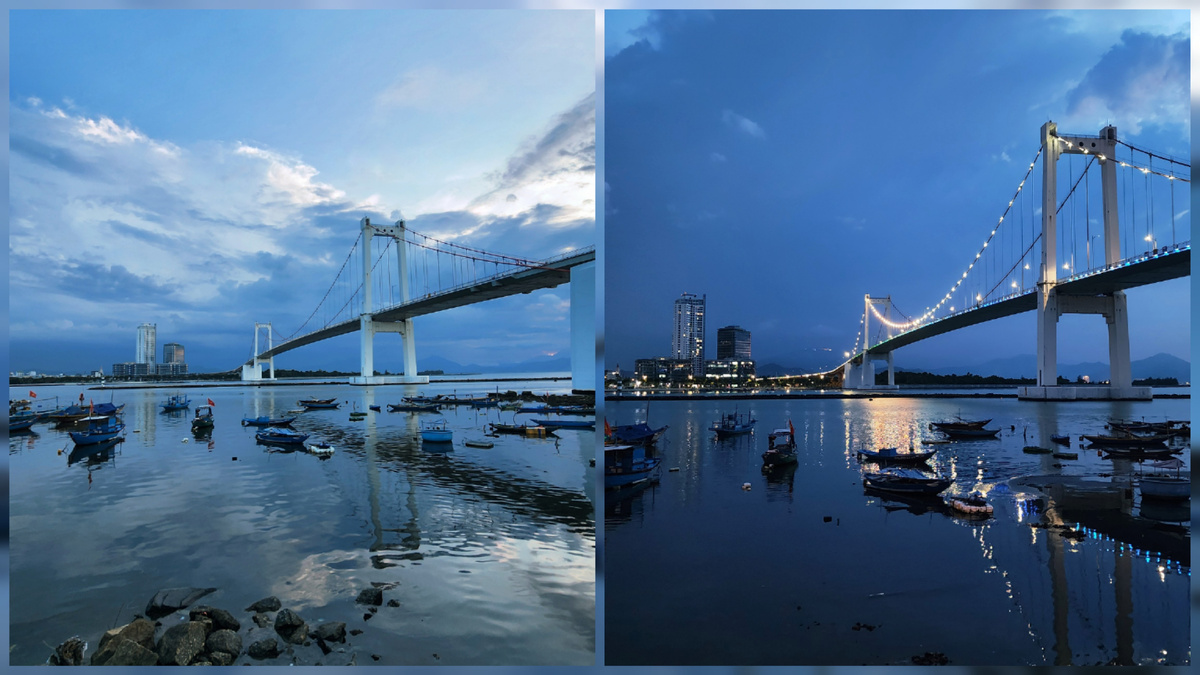
It happened farther north, near Thuan Phuoc Bridge, where the Han River opens towards Da Nang Bay.
I was returning from Heaven Gate after a long journey and decided to stop near the bridge.
It was close to sunset.
A few roadside vendors had set up small stalls with drinks, snacks and the tiny plastic tables and chairs you see everywhere in Vietnam.
The atmosphere was completely different from the busy waterfront in the city centre.
I ordered a coconut and sat down near the parapet.
Above me, the enormous suspension cables of Thuan Phuoc Bridge rose into the sky. Traffic moved steadily overhead, while the wide expanse of water stretched out in front of me.
There wasn’t much happening.
And that was exactly why I liked it.
I couldn’t see the sun itself setting from where I sat, but the changing light gave the sky soft colours over the bay.
There were no crowds, no performance and no particular reason to hurry.
Just a coconut, a plastic chair and a view of one of Da Nang’s most impressive bridges.
As darkness approached, the vendors began packing up.
I wouldn’t treat these stalls as permanent cafés or assume they’ll be there every evening.
But if you’re exploring northern Da Nang and happen to find a similar roadside stop, it’s worth taking a few minutes to enjoy the view.
That quiet moment stayed with me just as much as the evening when the Dragon Bridge soaked us all.
How to Plan Your Dragon Bridge Evening
You don’t need an elaborate itinerary to enjoy the show.
A little planning simply helps you avoid arriving too late or getting stuck on the wrong side of the river.
Before sunset: Explore the riverfront, Love Bridge and the Carp-Dragon statue. You can also have dinner nearby before the busiest period begins.
8:15–8:30 PM: Head towards your chosen viewing area. This gives you time to find a clear sightline before the main crowds gather.
Around 8:45 PM: Expect traffic restrictions and additional crowd control around the bridge. Follow local instructions.
9:00 PM: Watch the fire-and-water performance. Keep your electronics protected if you’re close to the head.
After the show: Consider staying along the riverfront a little longer rather than immediately joining the crowds trying to leave.
The illuminated bridges and city skyline are still worth enjoying once the main spectacle is over.
Is Dragon Bridge Worth Visiting?
Absolutely, especially if you’re in Da Nang on a weekend.
It’s free, easy to combine with a waterfront walk and unlike anything you’d expect from an ordinary city bridge.
The fire show is entertaining, and the water sequence can become an unforgettable part of the evening, whether you intended to get wet or not.
But after spending several weeks in Da Nang, I discovered that the city’s bridges have very different personalities.
Dragon Bridge gave us flames, cheering crowds and an unexpected tropical shower.
Thuan Phuoc gave me a quiet roadside coconut and a peaceful view over the bay.
One was loud and chaotic. The other was almost completely still.
Both are among my favourite memories of Da Nang.
And both show why the city deserves more than a quick stop between its beaches and nearby attractions.
Useful Travel Resources
Planning your Da Nang trip? These resources can help you find accommodation, compare flights and arrange activities around the Han River and central Vietnam.
Where to Stay
If you want to explore Dragon Bridge and the riverfront after dark, consider accommodation near the Han River. For more beach time, compare hotels around My Khe Beach. The best location depends on how you plan to spend your evenings.
Flights to Vietnam
Da Nang International Airport is a convenient gateway to central Vietnam, including Hoi An and Hue. Compare routes and arrival times when planning your trip.
Tours & Activities
From Han River cruises to Ba Na Hills, Marble Mountains and day trips around central Vietnam, compare experiences and check ticket and transport inclusions before booking.
Airport Transfers
A prearranged transfer can make your arrival easier, especially if you’re landing late or travelling with luggage.
eSIM & Mobile Internet
Mobile internet makes it easier to navigate Da Nang, check show schedules, find your hotel and arrange transport after an evening at Dragon Bridge. Compare Vietnam eSIM data packages before travelling.
Car Rental
If you’re planning to explore beyond Da Nang, compare rental conditions, insurance coverage and applicable driving-licence requirements before booking.
Some links on this page are affiliate links. If you make a booking or purchase through one of them, I may earn a small commission at no extra cost to you.