Kep Cambodia: Crab Market, Beaches & Things to Do
Most people visit Kep for its famous crab market. But just a few streets away from the seafood restaurants, abandoned villas reveal a very different side of this small Cambodian seaside town.
Once a fashionable retreat for Cambodia’s elite, Kep is now an unusual mix of fishing boats, tropical greenery, modern resorts and the remains of its glamorous past.
And unlike Cambodia’s busier beach destinations, Kep doesn’t demand a packed itinerary. Its appeal lies in the seafood, coastal scenery and the stories behind buildings that have survived decades of change.
Only about 25 km from Kampot, Kep is easy to visit in a day. The trick is knowing what deserves your time, especially if you want to combine the Crab Market with the national park, old villas or Rabbit Island.
Here’s how to explore Kep, what makes it worth visiting and whether you should stay overnight.
Kep Cambodia at a Glance
| Location | Southern Cambodia, Gulf of Thailand |
| Distance from Kampot | Approximately 25 km |
| Travel time from Kampot | Around 30–45 minutes by road |
| Best known for | Fresh crab with green Kampot pepper |
| Main attractions | Crab Market, historic villas, Kep National Park, Kep Beach, Rabbit Island |
| Time needed | 3–4 hours for the highlights or a full day |
| Getting around | Tuk-tuk, scooter or private driver |
| Best for | Seafood, coastal scenery, history and relaxed day trips |
My recommendation: Stay in Kampot if you want to explore both towns and the surrounding countryside. Choose an overnight stay in Kep if your priority is a quiet coastal break.
Kep Crab Market: What to Eat & How It Works
The Kep Crab Market, known locally as Psar Kdam or Phsar Kdam, is the town’s most famous attraction.
It’s a working seafood market overlooking the Gulf of Thailand, where vendors sell fresh crabs, fish, prawns, squid and other seafood.
Part of the experience is simply watching the market operate. Fishing boats, baskets of live crabs, seafood stalls and nearby cooking areas create a scene quite different from an ordinary restaurant district.
You don’t need to buy anything to walk through and observe the market.
But if you enjoy seafood, this is where you’ll find one of southern Cambodia’s signature dishes.
How to Buy Crab at Kep Crab Market
You have two main options: buy fresh seafood directly from the market or order a prepared meal at one of the waterfront restaurants.
At the market, crabs are generally sold by weight. You choose what you want, agree on the price and can arrange to have your purchase cooked nearby for an additional charge.
Before buying, ask for the total weight, price per kilogram and cooking fee. Prices can change depending on crab size, availability and season, so it’s worth comparing several vendors.
If you prefer a more relaxed lunch, the waterfront restaurants around the market serve prepared seafood dishes with tables overlooking the coast.
Here’s how the two experiences compare.
| Market stall | Waterfront restaurant | |
|---|---|---|
| Experience | Choose seafood directly from vendors | Order from a prepared menu |
| Price structure | Seafood sold by weight, plus possible cooking fee | Restaurant menu prices |
| Atmosphere | Busy, informal market setting | Seated meal with table service |
| Best for | Exploring local food culture | A comfortable, leisurely lunch |
Travel tip: Visit in the morning if you want to see the working market and the selection of fresh seafood. For a relaxed meal by the water, lunchtime is a convenient choice.
What Is Special About Kep Crab with Green Kampot Pepper?
The dish that made Kep famous combines fresh crab with green Kampot peppercorns.
Kampot pepper is one of Cambodia’s best-known regional products, but most people outside the country encounter it dried.
Fresh green pepper is different.
The peppercorns are harvested before ripening and have a softer texture, a herbal aroma and a fresh, spicy flavour. They’re more delicate than dried peppercorns and don’t keep their fresh qualities for as long.
Cooked with crab, they add a fragrant bite that complements the naturally sweet meat.
The combination makes sense geographically, too. Kep supplies the seafood, while neighbouring Kampot is famous for its pepper plantations.
It’s a particularly good example of how local ingredients become part of a region’s identity.
You can find fresh green pepper beyond Kep, but trying it close to the plantations where it’s grown is one of the pleasures of travelling through southern Cambodia.
Is Kep Worth Visiting If You Don’t Eat Seafood?
Absolutely.
The Crab Market is interesting as a working market even if you don’t plan to eat there, and Kep has plenty to offer beyond food.
You can explore its unusual architectural history, walk through Kep National Park, relax by the coast or take a boat to Rabbit Island.
If you’re travelling with people who love seafood but you don’t, the market can still be a worthwhile stop. Just check restaurant menus for suitable non-seafood options rather than assuming every place will have the same selection.
From French Seaside Resort to Abandoned Villas
Kep’s most fascinating attraction isn’t a single building. It’s the remains of an entire period in Cambodia’s history.
The town began developing as a seaside retreat under French colonial rule in the early twentieth century.
Known as Kep-sur-Mer, it attracted officials, wealthy residents and holidaymakers looking for a coastal escape.
But the most distinctive chapter of Kep’s architectural history came after Cambodia gained independence in 1953.
Kep’s Golden Age in the 1950s and 1960s
During the post-independence era, Kep became a fashionable destination for Cambodia’s political and social elite.
Modernist villas appeared along the waterfront and on the wooded hillsides, many designed for private owners rather than mass tourism.
Their architecture reflected a changing country.
Instead of reproducing traditional European villas, architects began combining modern forms with designs adapted to Cambodia’s tropical climate.
Large terraces, open-plan spaces, geometric concrete structures and carefully positioned windows became characteristic features of the period.
This movement is associated with New Khmer Architecture, a distinctive chapter of Cambodian architectural history.
Some of Kep’s surviving villas still show these features, even when the buildings themselves are badly deteriorated.
Why Are So Many Villas Abandoned?
Kep’s period as a fashionable seaside retreat came to an abrupt end during the conflicts of the 1970s.
As Cambodia experienced civil war and the Khmer Rouge regime, much of the country’s social and economic life was devastated.
Properties in Kep were abandoned, damaged or stripped of valuable materials during the years of conflict and instability.
Over time, vegetation reclaimed many buildings.
Today, you can still spot empty concrete structures behind trees, fragments of terraces overlooking the sea and staircases leading into ruined interiors.
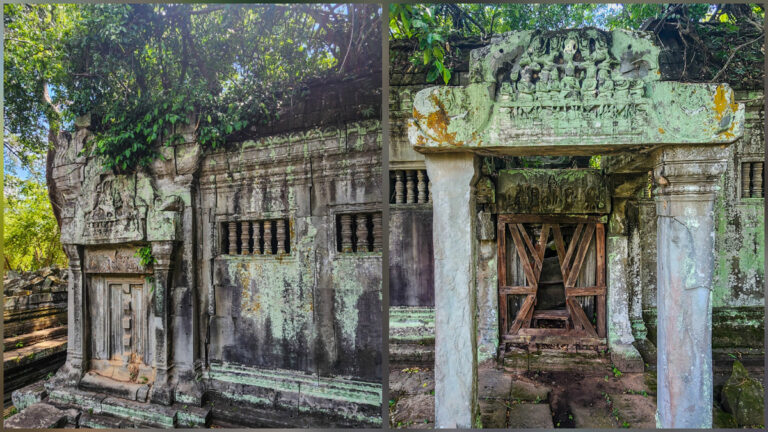
It’s tempting to photograph them as mysterious jungle ruins, but they represent a much more complicated history.
And not every abandoned villa is open to visitors. Some are privately owned, structurally unstable or undergoing redevelopment. View them from public roads unless access is explicitly permitted.
Knai Bang Chatt: A Remarkable Example of Restoration
Not every historic villa in Kep was left to deteriorate.
One of the most interesting examples is Knai Bang Chatt, where modernist seaside villas from the 1960s were restored and incorporated into a boutique resort.
Three of the original villas were built between 1962 and 1965.
They belonged to prominent figures in Cambodian society: the governor of Kep, a relative of King Norodom Sihanouk and the provincial head of customs.
After years of abandonment, the buildings were restored in the 2000s, with the project preserving much of their original architectural character.
Today, they’re part of a luxury coastal property.
What makes this example important isn’t simply the transformation into an expensive hotel.
It demonstrates that Kep’s architectural heritage can be preserved and reused rather than disappearing entirely.
And it offers a different perspective on the town’s development: Kep isn’t frozen in its past, but its history remains visible in the buildings that survive.
Best Things to Do in Kep Beyond the Crab Market
You don’t need a long list of attractions to enjoy Kep.
The town is relatively compact, and its main appeal comes from combining a few places rather than rushing between them.
1. Walk Through Kep National Park
Kep National Park covers the forested hills rising behind town.
It’s one of the best places to escape the waterfront and see Kep from above.
The park’s main loop is approximately 8 km long, with forest paths and viewpoints overlooking the coastline, surrounding countryside and offshore islands.
The complete walk can take roughly two to three hours, depending on your pace, weather and stops.
If you’re only visiting Kep for a few hours, you don’t need to walk the entire loop. A shorter section may be enough to enjoy the greenery and views.
Travel tip: Go early in the morning, bring plenty of drinking water and wear comfortable shoes. Even a moderate walk can feel strenuous in Cambodia’s tropical heat.
2. Visit Kep Beach and the Famous Crab Statue
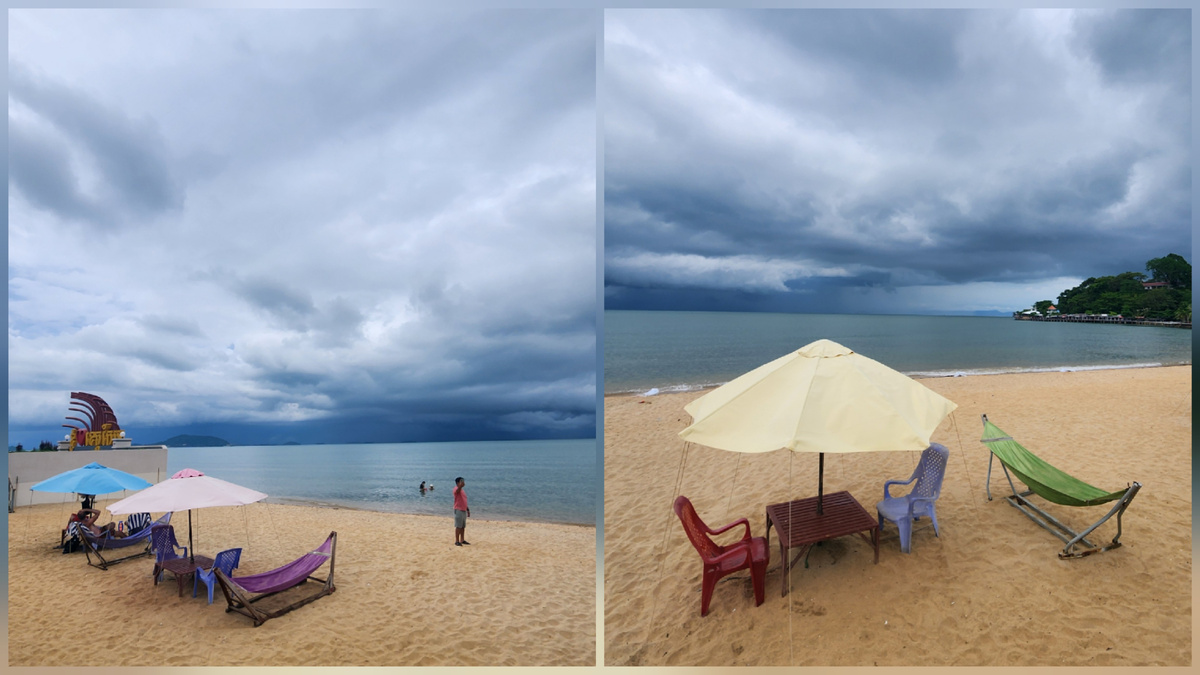
Kep Beach is the town’s main public beach area, popular with Cambodian families, especially at weekends and during holidays.
The setting is pleasant for a coastal walk, a picnic or some time sitting beside the sea.
But don’t expect the same beach experience as Cambodia’s offshore islands.
Kep has a more local, low-key atmosphere, and the beach can become busy during popular holiday periods.
One landmark you won’t miss is the large crab statue standing in the water near the coast.
The blue crab, accompanied by a welcome sign, has become one of Kep’s most recognisable symbols.
It’s an easy photo stop and a reminder of just how closely the town’s identity is tied to seafood.
3. Take a Boat to Rabbit Island (Koh Tonsay)
If you’re looking for a quieter beach experience, Rabbit Island is worth considering.
Known in Khmer as Koh Tonsay, the island lies offshore from Kep and can be reached by boat.
The crossing commonly takes around 20–30 minutes, depending on the boat and conditions.
Rabbit Island has beaches, simple places to eat and a more relaxed atmosphere than the mainland waterfront.
It’s a place to spend several hours swimming, walking along the shore or simply enjoying the sea.
However, the island isn’t completely untouched, and development is changing parts of the coastline.
How to Visit Rabbit Island
Boats depart from the Kep boat pier, with services and arrangements depending on local operators and weather.
Before leaving, confirm:
- The current round-trip ticket price.
- The departure and return arrangements.
- Whether the return journey is included.
- The latest available return boat.
- Whether sea conditions are suitable for the crossing.
Allow at least half a day if you want to enjoy the island without rushing.
Would I combine Rabbit Island with Kep National Park in one day? Probably not. Both deserve time, and trying to fit them around a Crab Market visit would make the day unnecessarily busy.
For a day trip from Kampot, I’d choose one or the other.
4. Explore Kep’s Coastal Roads
One of the simplest ways to understand Kep is to spend some time moving along its waterfront and quieter roads.
You’ll see a mixture of fishing activity, small businesses, modern resort developments and remnants of the town’s former seaside villas.
Some buildings have been restored, while others remain partly hidden by vegetation.
The contrast tells you more about Kep than any single monument.
It’s a town where different periods of Cambodian history still exist side by side.
How to Get to Kep from Kampot
Kep is approximately 25 km from Kampot, with the journey usually taking around 30–45 minutes by road.
That makes it an easy excursion if you’re using Kampot as your base.
By tuk-tuk or private driver
This is the easiest option if you don’t want to drive.
You can arrange a return trip that includes the Crab Market, waterfront and other stops.
Agree on the total price, waiting time and planned route before departure.
By scooter
A scooter gives you more flexibility, particularly if you want to explore the countryside between Kampot and Kep.
It’s also useful for visiting viewpoints or stopping at places that aren’t part of a fixed tour route.
Only choose this option if you have the appropriate licence, insurance and experience riding in local traffic.
By shared transport
Buses and minivans may be useful if you’re travelling between destinations rather than sightseeing.
Check the current schedules and departure points, as they can change.
Want to Combine Kep with Kampot’s Countryside?
The route between the two towns offers more than a simple transfer.
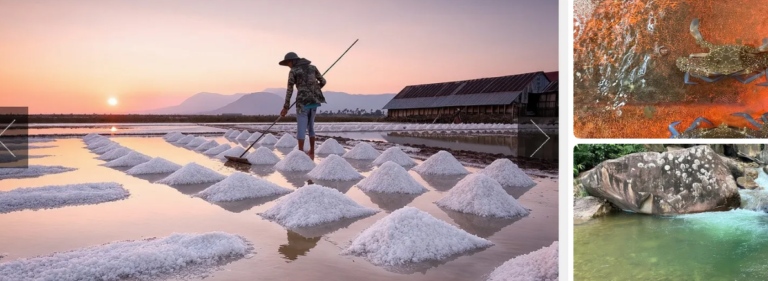
You can combine Kep with Kampot’s famous pepper plantations and rural scenery, including the salt-producing areas along the coast.
If you don’t want to arrange separate rides, a guided countryside tour can be a convenient alternative.
The Full-Day Countryside, Pepper Farm & Kep Crab Market Tour is one option worth comparing. Check the current itinerary, included transport and stops before booking.
How Much Time Do You Need in Kep?
You don’t need to spend several days here to see the highlights.
But the best itinerary depends on whether you’re more interested in the town itself, hiking or visiting Rabbit Island.
Option 1: Kep in 3–4 Hours
This is the easiest itinerary if you’re visiting from Kampot and don’t want a long day.
Start at the Crab Market.
Walk through the stalls, watch the seafood vendors and decide whether you’d like to eat at the market or one of the waterfront restaurants.
Continue along the coast.
Visit Kep Beach, stop for a photograph of the famous crab statue and enjoy the sea views.
Look for the town’s historic villas.
On your way around Kep, pay attention to the older buildings and remnants of its former resort architecture.
You don’t need to enter abandoned properties to appreciate their history.
This short itinerary gives you a good introduction to the town without turning the visit into a race.
Option 2: A Full Day in Kep
For a longer visit, I’d start with the Crab Market and then choose one main afternoon activity.
If you enjoy hiking: Visit Kep National Park, ideally beginning the walk early to avoid the midday heat.
If you prefer beaches: Spend the afternoon along the coast or make Rabbit Island the main focus of the day.
If you’re interested in history: Allow more time to explore the older parts of Kep, admire the architecture from accessible viewpoints and enjoy a leisurely lunch by the sea.
The important thing is not to try to squeeze the national park, Rabbit Island, the market and every coastal viewpoint into one day.
Kep is more enjoyable when you leave room to slow down.
Should You Stay in Kep or Kampot?
For most first-time visitors to southern Cambodia, Kampot is the more practical base.
It offers a wider selection of cafés, restaurants and accommodation, along with convenient access to countryside attractions.
Kep is close enough to visit without packing your bags and changing hotels.
But an overnight stay in Kep can make sense if you’re looking for a quiet coastal resort, sea views or time to explore Rabbit Island without rushing.
| Stay in Kampot if… | Stay in Kep if… |
|---|---|
| You want more restaurants and cafés | You prefer a quieter seaside atmosphere |
| You’re planning several countryside excursions | Your main interest is the coast |
| You want to explore Bokor Mountain and pepper farms | You want to spend more time on Rabbit Island |
| You prefer a town with more accommodation choices | You’re looking for a relaxed coastal resort stay |
If you’re deciding between the two, think about how you want to spend your evenings.
Kampot is better suited to travellers who enjoy wandering between cafés, restaurants and the riverside.
Kep is a good choice if you’d rather finish the day quietly beside the sea.
Is Kep Cambodia Worth Visiting?
Yes, especially as a day trip from Kampot.
But I wouldn’t visit Kep expecting a major beach resort packed with entertainment or a long list of must-see attractions.
Its character comes from something less obvious.
The Crab Market reflects the town’s continuing relationship with the sea. The abandoned villas reveal its former status as a fashionable retreat. And the restored properties and new developments show how Kep is changing again.
For a short visit, I’d focus on the Crab Market, the waterfront and the town’s architectural history.
If you have more time, choose between hiking in Kep National Park and spending a few hours on Rabbit Island.
And if you’re travelling through southern Cambodia, consider combining Kep with Kampot’s pepper plantations and salt fields.
It’s a small area, but one where food, geography and history are unusually closely connected.
Some links in this article are affiliate links. If you book through them, I may earn a commission at no additional cost to you.