Bokor Mountain Cambodia: Ghost Town History, Colonial Ruins & What to See
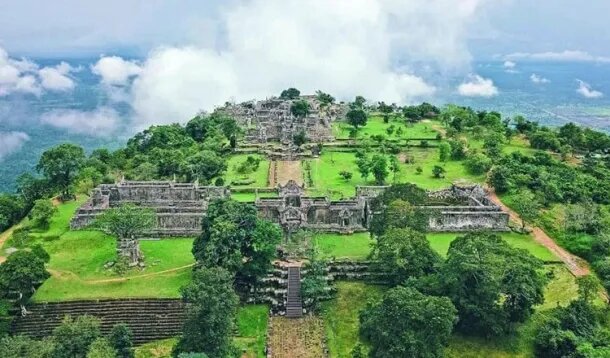
Bokor Mountain feels almost disconnected from the Cambodia you leave behind in Kampot.
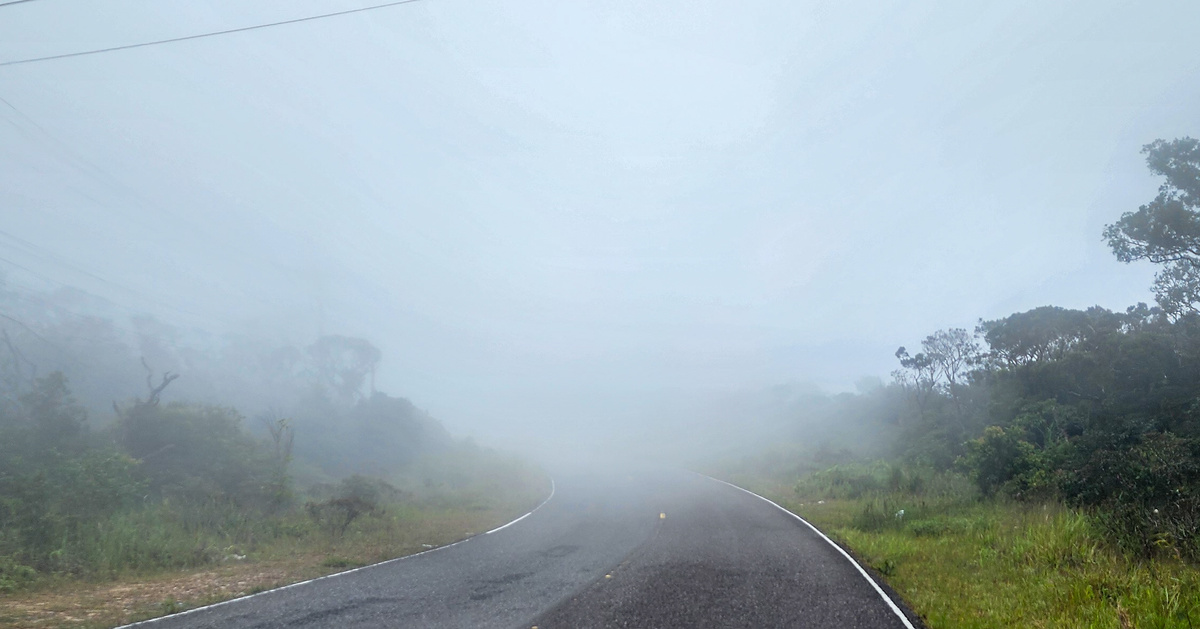
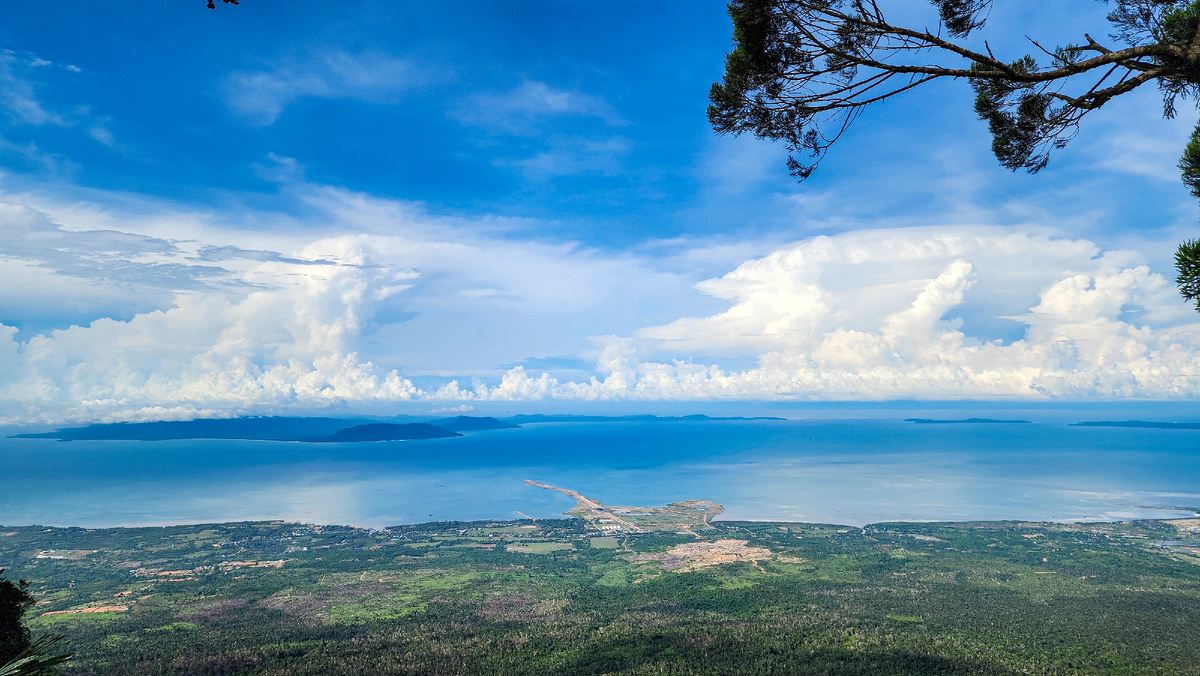
The road climbs through dense forest toward a plateau more than 1,000 metres above sea level, where the temperature drops, clouds can move across the road within minutes and the Gulf of Thailand appears below whenever the weather clears.
The landscape alone would make Bokor worth the trip, but the mountain has accumulated more than a century of history: a French colonial hill station, royal residences, war, abandoned buildings, Buddhist shrines, a modern casino resort and now a 108-metre Buddha under construction.
I explored Bokor from the lower slopes to the plateau, including the old hill station, Wat Sampov Pram, Popokvil Waterfall and the strange rock formations farther across the mountain. Some parts still have the atmosphere that gave Bokor its “ghost town” reputation, while others have been completely redeveloped.
That contrast is what makes the mountain interesting today. Bokor is no longer an abandoned city, but neither has its past disappeared.

Bokor Mountain Quick Guide
| Location | Preah Monivong Bokor National Park, Kampot Province |
| Distance from Kampot | About 40 km to the main plateau area |
| Elevation | Around 1,000–1,075 metres |
| Time needed | Full day recommended |
| Best base | Kampot |
| Best season | November–February for generally drier conditions |
| Wet season | Best for Popokvil Waterfall, but expect rain and fog |
| Transport | Car, private driver, tour or motorbike for experienced riders |
| Known for | Colonial buildings, mountain views, waterfalls, religious sites and cool climate |
Where to Stay in Kampot
Kampot is the easiest base for exploring Bokor. Staying in town gives you restaurants and accommodation in the evening while keeping the mountain close enough for a full-day trip.
Why Did the French Build Bokor Hill Station?
The idea of Bokor Hill Station developed during the French colonial period in the early 20th century.
The plateau offered something valuable in tropical Cambodia: altitude and cooler weather. While the lowlands could be intensely hot and humid, Bokor frequently stayed much cooler and wetter.
Construction of the access road began in the late 1910s. The human cost was enormous. Historical accounts commonly cite around 900 labourers dying during approximately nine months of road construction, many of them prisoners or corvée labourers working in extremely difficult conditions.
The number has become one of the darkest parts of Bokor’s history. Contemporary reports even gave higher estimates, so it is better understood as evidence of the brutality of the project rather than as a perfectly documented modern statistic.
The hill station eventually included accommodation, administrative buildings, a post office, church and other facilities intended primarily for colonial officials and wealthy visitors.
Its architectural centrepiece was Le Bokor Palace, completed and inaugurated in 1925.


Le Bokor Palace Was Not the Old Casino
This is one of the most persistent myths about Bokor.
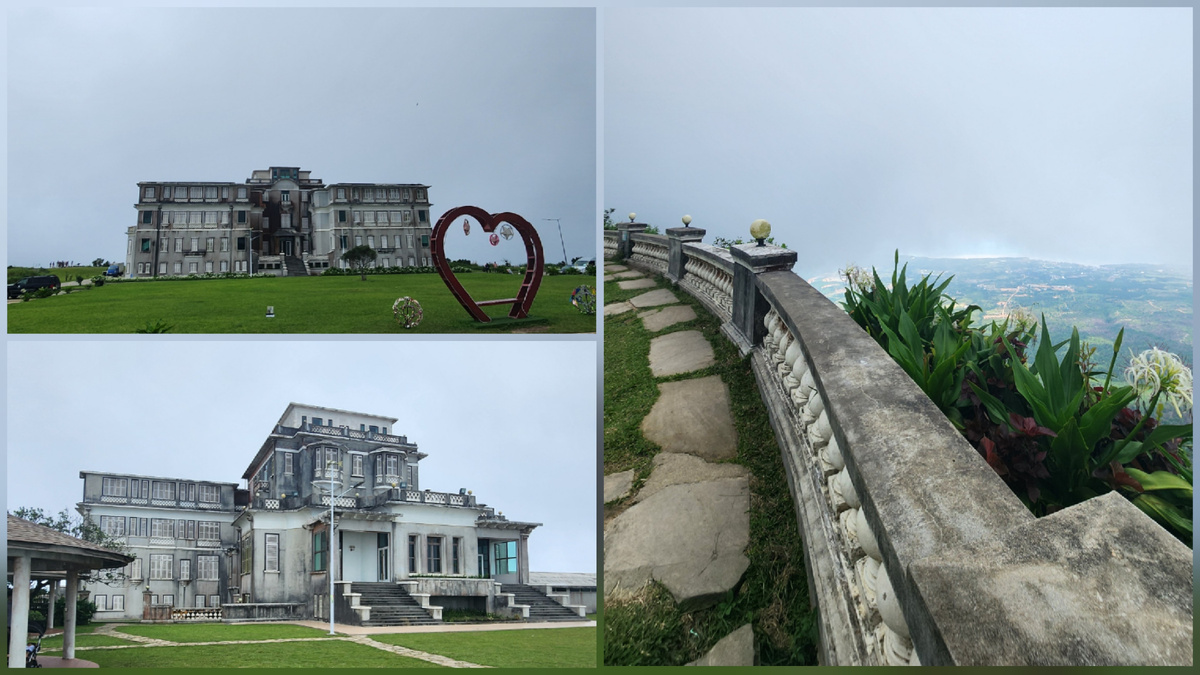
The imposing building now known as Le Bokor Palace is constantly described online as an abandoned casino, but historically it was a hotel.
The real casino came much later.
When Bokor was redeveloped under Norodom Sihanouk in the early 1960s, a casino opened in the newly built Hôtel Sangkum near the reservoir. Gambling was restricted to foreigners, and the casino itself was short-lived. It opened in 1962 and was transferred to the coast in 1964.
Le Bokor Palace continued to operate as a hotel.
That distinction matters because the “abandoned casino” story has become so dominant that it has almost replaced the actual history of the building.
Abandonment, Revival and War
Bokor did not simply become a ghost town once. Its history is more complicated.
The hill station declined during the First Indochina War and was largely abandoned in the late 1940s. Buildings deteriorated rapidly in Bokor’s extremely wet climate.
After Cambodian independence, the plateau was revived.
In 1962, Norodom Sihanouk inaugurated a renewed “City of Bokor” with hotels, a casino and other facilities. For a brief period, the mountain again became a fashionable retreat.
That period ended with Cambodia’s descent into war.
Khmer Rouge forces took control of the plateau in 1972, and Bokor became strategically important because of its elevation and isolated position.
During the Vietnamese intervention in 1979, fighting again reached the mountain. Historical accounts describe Khmer Rouge forces holding positions around the old Catholic church while Vietnamese forces occupied the Palace area.
The Khmer Rouge maintained a presence around Bokor into the early 1990s. Only after the UN period did the mountain become progressively accessible again.
Is Bokor Still a Ghost Town?
Not really.
The image of Bokor as a completely abandoned colonial settlement belongs largely to the late 20th and early 21st centuries.
The mountain has undergone extensive redevelopment. The access road is paved, large modern developments have appeared, Le Bokor Palace has been restored and reopened, and Thansur Sokha Hotel operates as a major resort complex with a casino.
That does not mean the old atmosphere has disappeared completely.
The Catholic church, Black Palace, scattered ruins, heavy fog and empty stretches of plateau can still produce the strange feeling that made Bokor famous with photographers and travellers.
But anyone expecting an untouched abandoned city should adjust their expectations. Modern Bokor combines heritage, tourism development, religious sites, construction projects and wilderness in the same landscape.
1. Le Bokor Palace
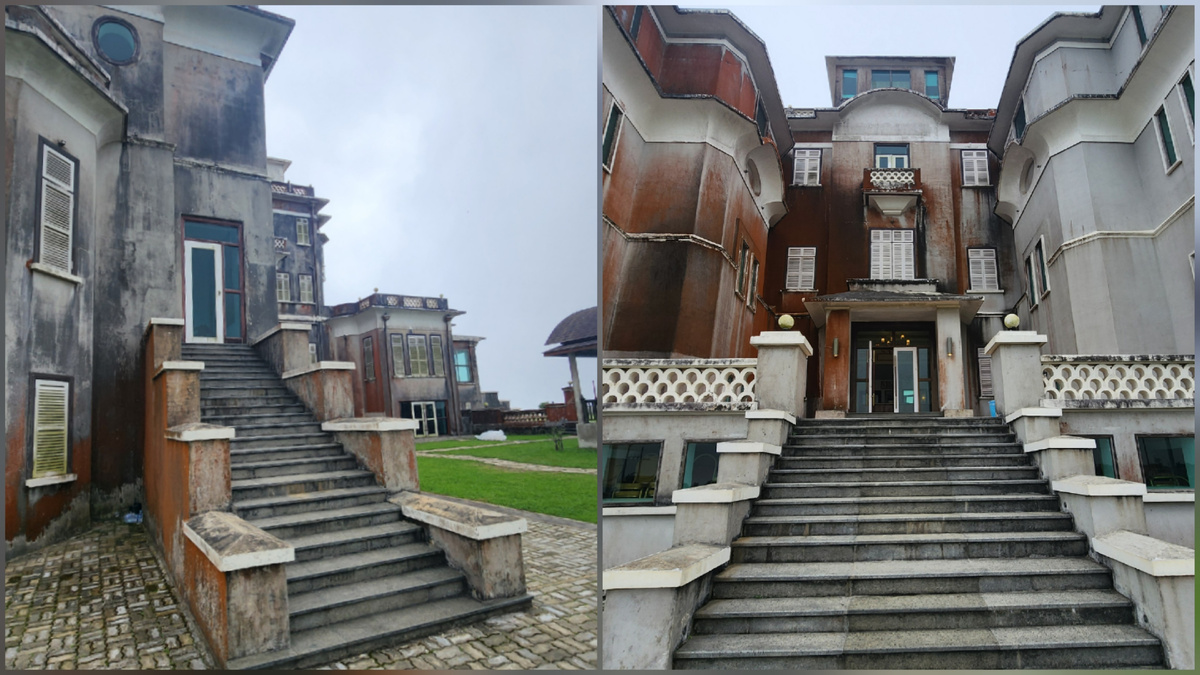
The restored Le Bokor Palace is still the most recognisable building on the plateau.
Opened in 1925, it once catered to colonial officials and wealthy visitors looking for relief from the lowland climate.
After decades of abandonment, the building became an icon of Bokor’s ghost-town period. Its empty rooms, weathered façade and position on the edge of the mountain made it an obvious film location, including for City of Ghosts in 2002.
The building has since been restored and reopened as a hotel.
This can be disappointing if you arrive expecting the enormous abandoned shell seen in older photographs. At the same time, the exterior setting remains impressive, particularly when clouds move across the plateau.
The most important thing to remember is that this was the Palace Hotel, not the colonial casino.


2. The Old Catholic Church
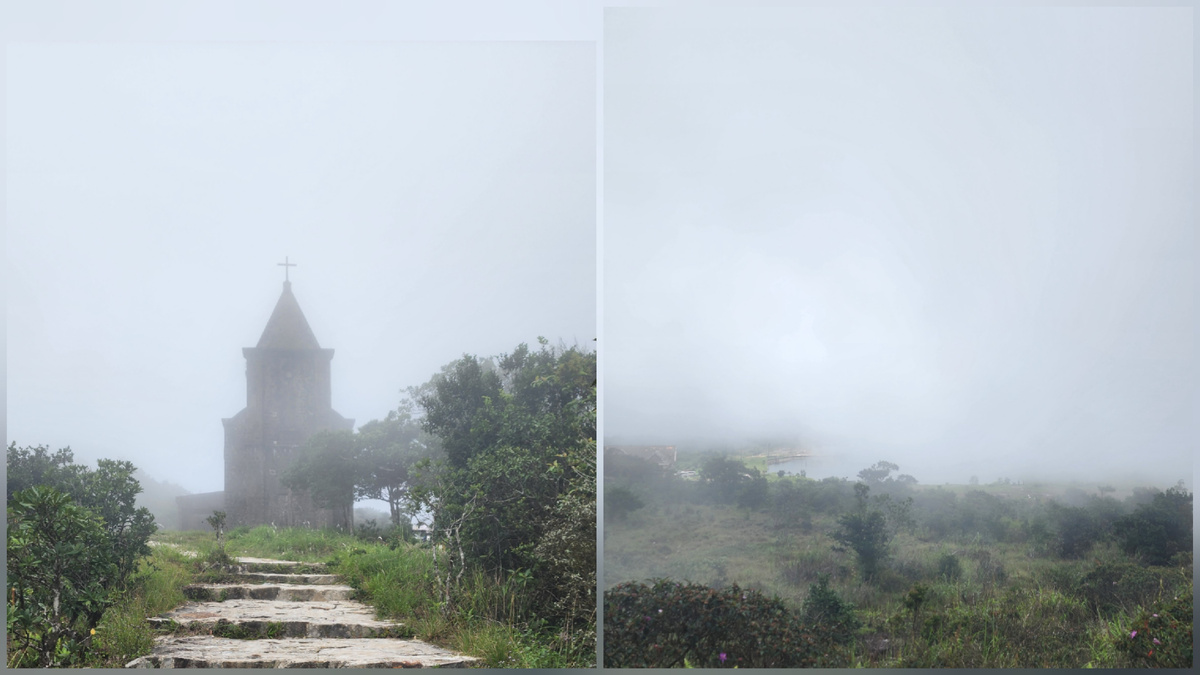
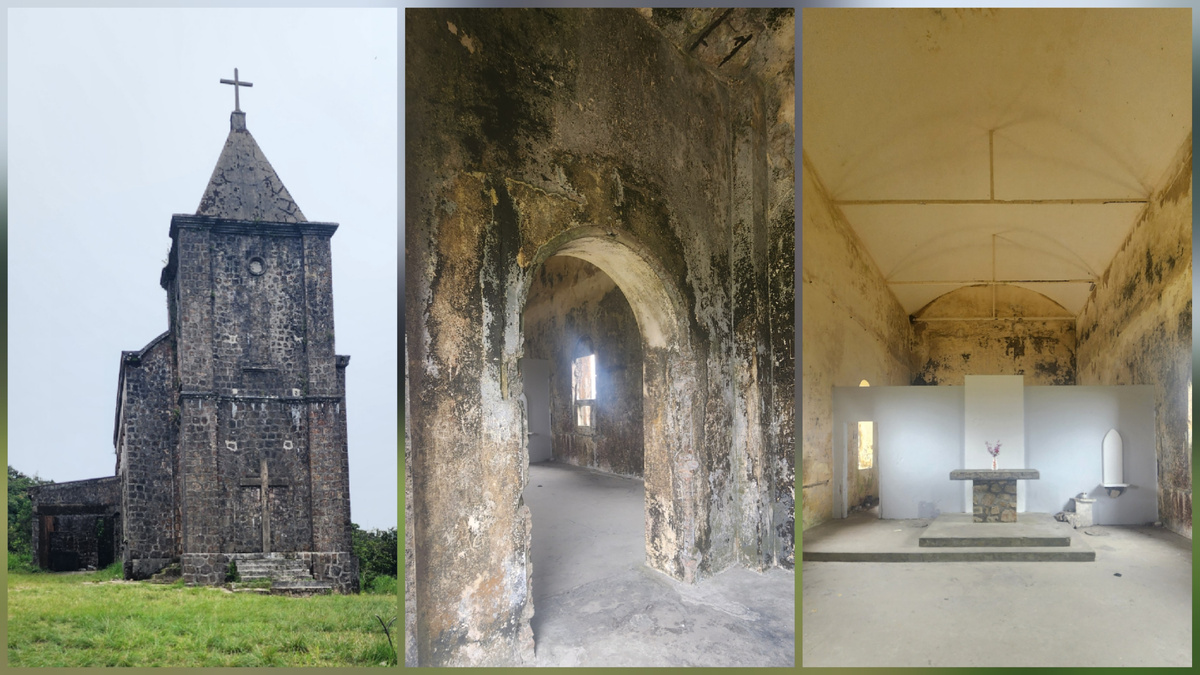
The Old Catholic Church is one of the few major colonial buildings that still retains a strongly abandoned appearance.
Built in 1928, the stone church served the small Catholic community at the hill station.
Its later history was considerably harsher. During the decades of conflict, the church was used as a military position and was involved in fighting between Khmer Rouge and Vietnamese forces.
Today the building is still recognisably a church, but its weathered stone, empty interior and isolated location give it a completely different atmosphere from an active place of worship.
The effect depends heavily on the weather. On a clear day, the setting is beautiful. When dense cloud arrives, visibility can shrink rapidly and the church takes on the gloomy appearance that helped create Bokor’s modern ghost-town reputation.
3. Wat Sampov Pram
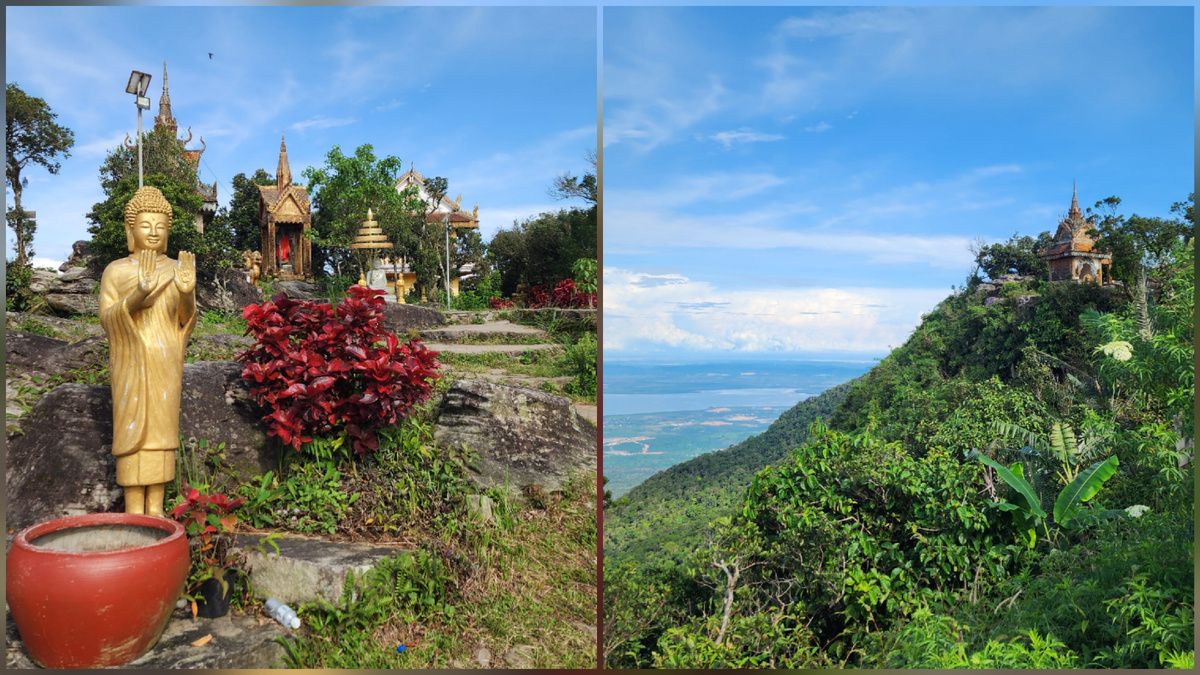
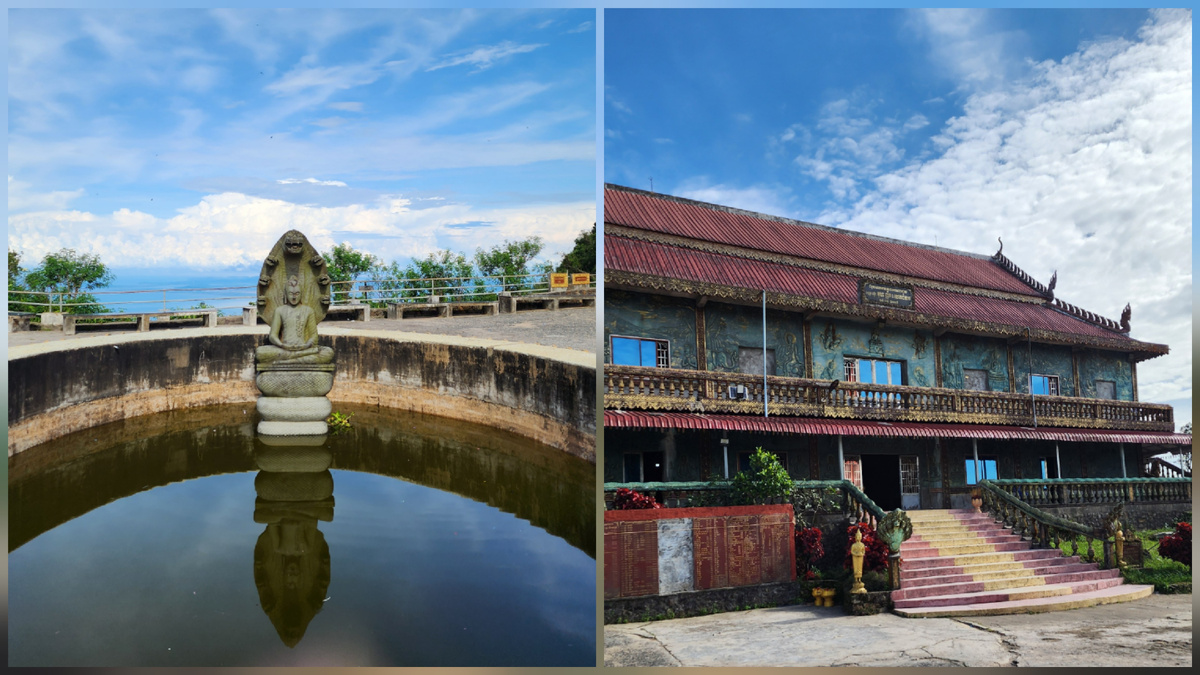
A few minutes from the old hill-station buildings is Wat Sampov Pram, usually translated as the Pagoda of the Five Boats.
The Buddhist temple dates to 1924, making it part of Bokor’s early 20th-century history rather than a recent religious addition.
Its name comes from a group of unusual rock formations nearby that are traditionally said to resemble boats.
Local legends connect the five stone “boats” with stories of Preah Thong and the Naga princess Neang Neak, characters associated with Khmer foundation mythology.
The legends vary, so I would not try to force the rocks into one definitive historical narrative. What is clear is that the place has religious significance that is independent of Bokor’s French colonial story.
The setting is one of its strongest features. When the clouds open, the views extend across forest toward the coast and Gulf of Thailand.

4. Popokvil Waterfall
Popokvil Waterfall is the main natural stop on the plateau.
Its appearance depends almost entirely on the season.
During and shortly after the rainy season, water flows strongly over the broad rock ledges. In the dry season, the volume can fall dramatically, sometimes leaving only relatively small streams across the rock.
That means photographs online can create very different expectations depending on when they were taken.
If seeing a substantial waterfall is important to you, the wet season is the better choice. If you are visiting Bokor during Cambodia’s driest months, treat Popokvil as an optional landscape stop rather than the main reason for the trip.
The higher plateau can also become wet, windy and surprisingly cool, so a light rain jacket is useful even when Kampot below is hot.
5. The 100 Rice Fields and Rock Formations
One of the stranger landscapes farther across Bokor is known as Veal Sre Mouy Roy, or the 100 Rice Fields.
Despite the name, the attraction is not a conventional agricultural landscape.
The plateau is broken into areas of exposed rock and vegetation that, from certain angles, resemble the divisions between rice fields.
This part of Bokor feels very different from the colonial hill station. There are fewer large buildings, more open terrain and unusual sandstone formations scattered across the landscape.
When I explored this area, I spent much more time than expected walking between rocks looking for the smaller shrines and formations marked on local maps.
It can feel almost empty compared with the main historical stops.


6. Heaven Gate and the Rock Sites
Around the wider rock-field area are several natural formations that have acquired religious or spiritual associations.
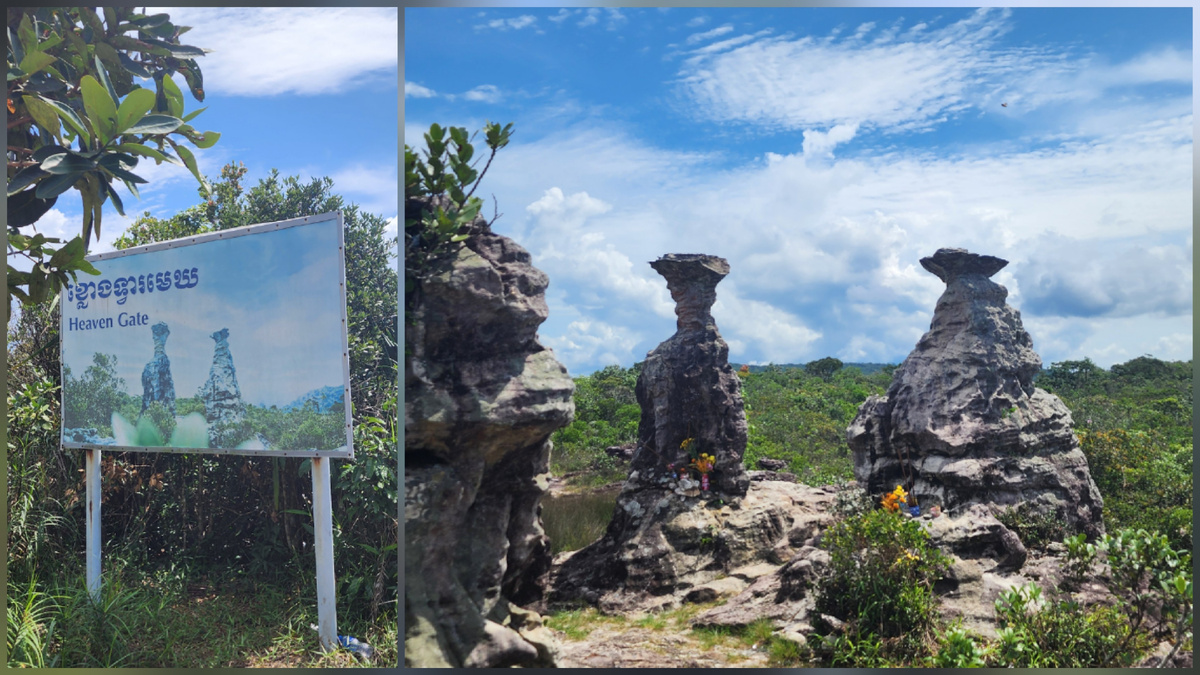
One of the best known is generally called Heaven Gate, where large rocks form a natural opening.
There are also smaller meditation areas, shrines and places where visitors stack stones or leave offerings.
Some maps use grand names for features that can look surprisingly modest when you arrive. I would treat this part of the mountain as an exploratory detour rather than a checklist of spectacular landmarks.
The landscape itself is the attraction.
7. Bokor Mountain Lake
The plateau also contains a mountain reservoir that creates a completely different atmosphere from the exposed cliffs and ruins.
Depending on current operations, recreational activities such as kayaking or paddle boats may be available around the lake.
It is not an essential Bokor stop if your priority is history, but it can work as a break in a long day, particularly if you are travelling with children or simply want somewhere calmer between the main sights.
8. Black Palace
Damnak Sla Khmao, usually called the Black Palace, stands beside the mountain road before the main plateau.
The royal residence dates to 1936.
Its history is often simplified online as “Sihanouk’s palace.” The site is connected with Cambodia’s royal family and was later associated with Norodom Sihanouk, but the original 1930s residence belongs to the royal history of the preceding period under King Sisowath Monivong.
The remaining buildings are modest compared with the word “palace.”
That is part of their appeal. Instead of a monumental royal complex, you find low structures gradually weathering into the vegetation.
The stop does not take long and fits naturally into the drive up or down the mountain.
9. Lok Yeay Mao
The huge seated figure beside the mountain road is not a Buddha.
It represents Lok Yeay Mao, one of the most important protective spirits in Cambodia’s southern coastal region.
The monument is about 29 metres high and was completed in 2012.
Yeay Mao is particularly associated with protection for travellers, fishermen and people moving through the mountains and coastal provinces. Local visitors commonly stop here to make offerings or ask for a safe journey.
This makes the monument more interesting than simply another roadside viewpoint.
Bokor contains several layers of belief at once: Cambodian spirit traditions, Buddhism, a Catholic church and now one of the country’s largest Buddhist construction projects.

10. The 108-Metre Buddha
The biggest change taking place on Bokor today is impossible to separate from the mountain’s future.
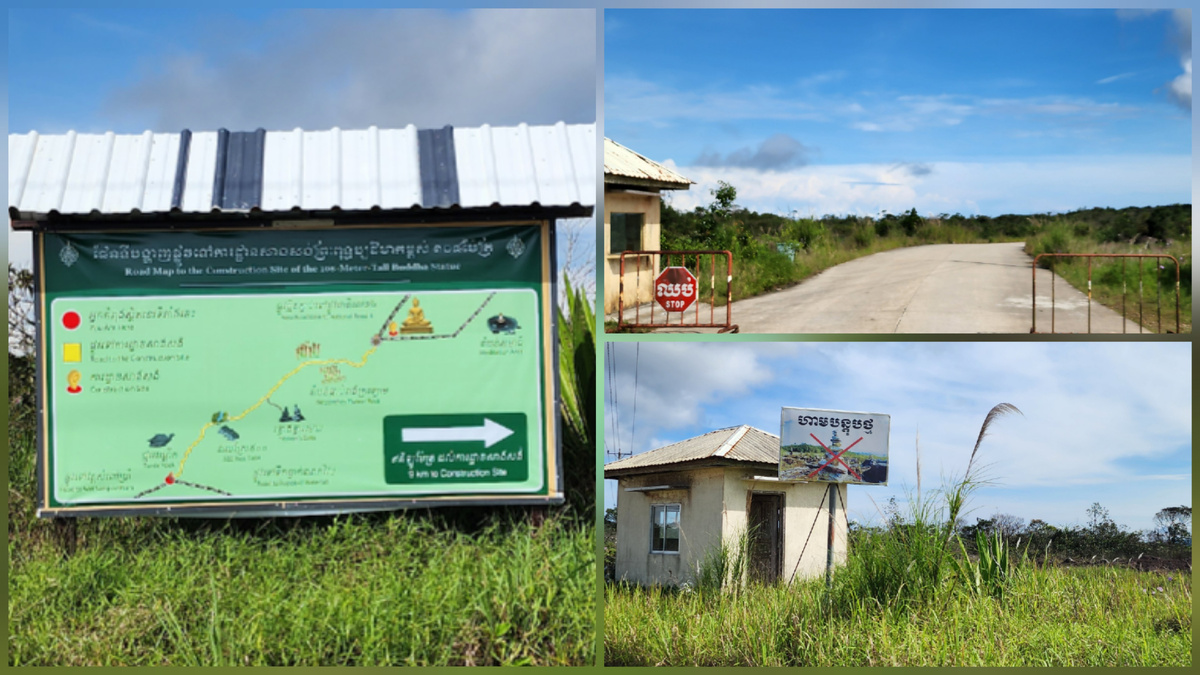
Construction began in 2023 on a seated Buddha planned to reach 108 metres in height.
The project is called Preah Puth Padima 108M and is being developed across a large area of the plateau near the 100 Rice Fields.
As of 2026, construction is still underway.
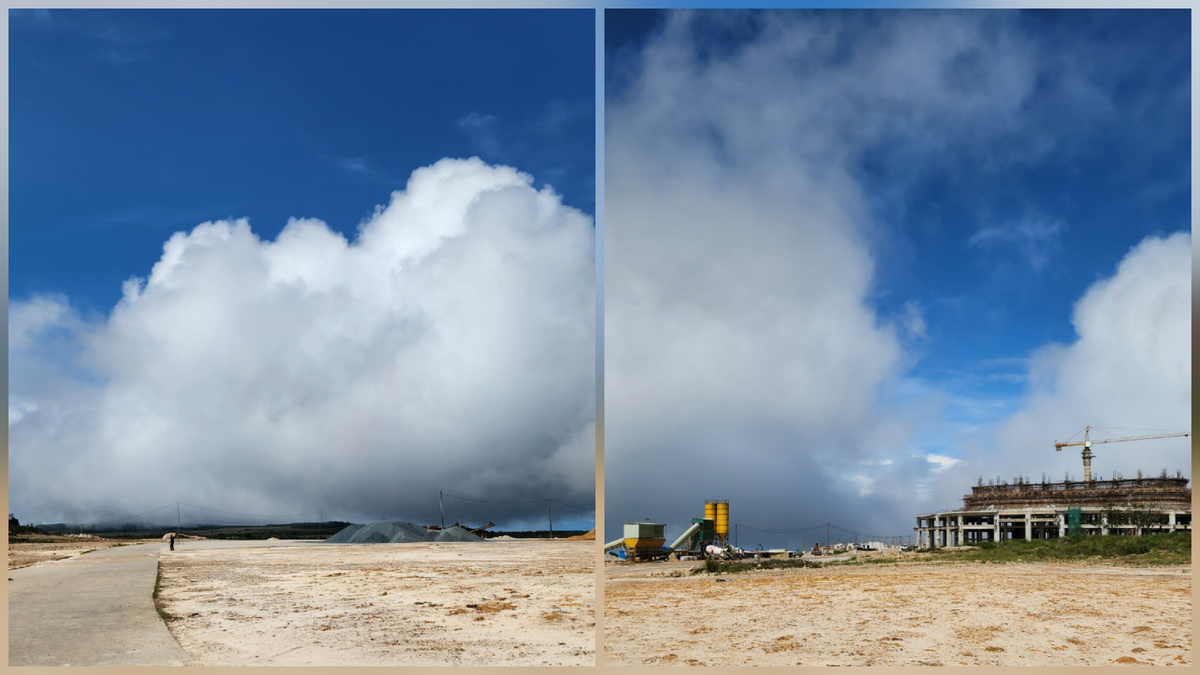
When I visited the site earlier in the project, there was far more construction activity than monument to see. I even tried to get closer to the work area and mostly ended up looking at earthworks and a huge building site.
That will obviously change.
The finished project is intended to become a major Buddhist pilgrimage and tourism destination, with the enormous central statue accompanied by religious and visitor facilities.
Current project schedules point toward completion around 2027–2028, although a project of this scale can always shift.
If you visit Bokor before completion, go because you are interested in seeing the transformation in progress, not because you expect the finished giant Buddha already standing above the plateau.
Modern Bokor and Thansur Sokha
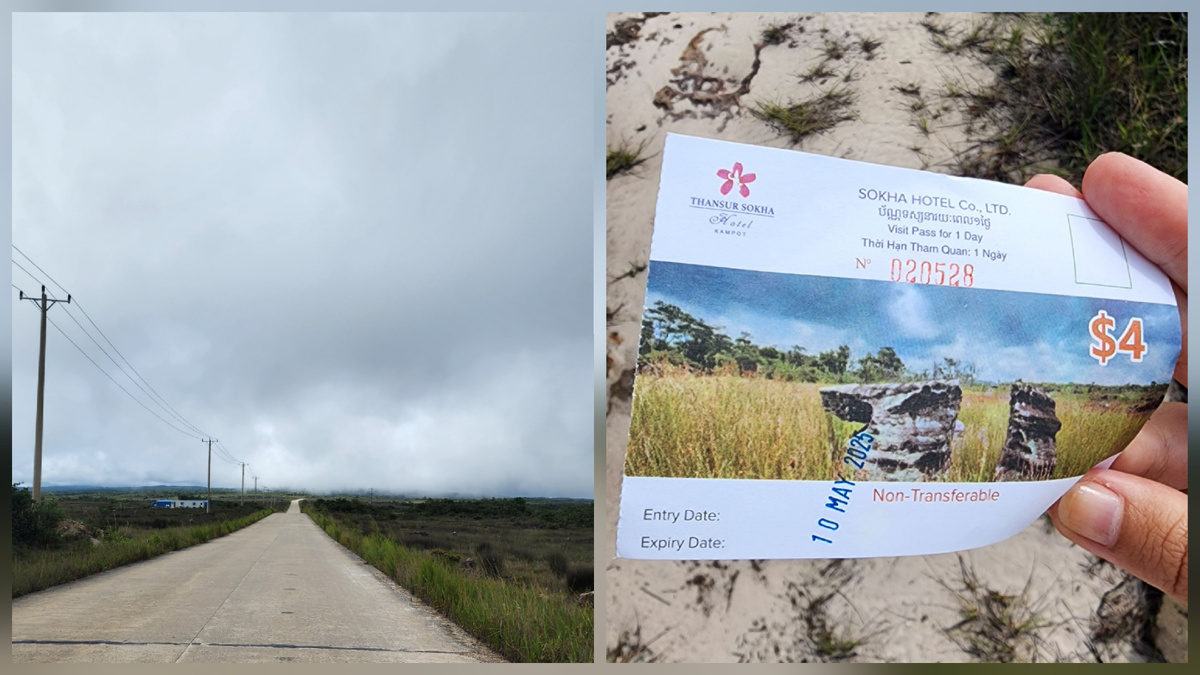
The other side of modern Bokor is Thansur Sokha Hotel, a large resort development on the plateau.
It opened in the 2010s and includes accommodation, restaurants and casino facilities.
Architecturally, it has almost nothing to do with the original French hill station.
That contrast is difficult to miss: one part of Bokor sells the atmosphere of abandoned colonial Cambodia, while another is being actively developed as a modern resort and entertainment destination.
Whether that improves or damages the experience depends largely on what you came to Bokor expecting.
For me, the contrast itself became part of the story.
What the Weather Is Really Like
Bokor is cooler than Kampot because of its elevation, but descriptions such as “always cold” or “always covered in fog” are exaggerated.
Conditions change quickly.
You can have clear views across the coast and then drive into cloud shortly afterwards. During wetter periods, rain, mist and strong wind can make the plateau feel dramatically colder than the lowlands.
Temperatures on the mountain commonly sit roughly in the 15–25°C range, although conditions vary.
Bring a light jacket even if Kampot is extremely hot when you leave.
A rain jacket is even more useful during the wet season.
Morning or Afternoon?
I would start relatively early.
Morning often gives you a better chance of clear views before cloud develops across the higher terrain, although Bokor weather is unpredictable enough that there are no guarantees.
An early start also gives you time to explore the more distant rock-field area without rushing back toward Kampot.
The mountain is large enough that trying to see every stop in half a day can turn into more driving than exploring.
For a proper first visit, I would allow most of the day.
Driving Bokor Mountain
The paved mountain road makes Bokor much easier to reach than it was in the past.
A motorbike or scooter gives you complete freedom to stop at viewpoints, and that was useful when I explored the mountain independently.
I would only recommend this option to someone already comfortable riding on mountain roads.
Fog can reduce visibility, rain changes road conditions quickly, monkeys and stopped vehicles can appear around bends, and the long descent requires concentration.
A private car with a driver is the more comfortable option if you do not ride regularly or simply want to concentrate on the scenery.
Organised Bokor tours are also widely available from Kampot.
A Good One-Day Bokor Mountain Route
For a first visit from Kampot, I would arrange the stops roughly like this:
- Lok Yeay Mao
- Black Palace
- Old Catholic Church
- Le Bokor Palace
- Wat Sampov Pram
- Popokvil Waterfall
- Bokor Lake
- 100 Rice Fields / rock formations
- 108-Metre Buddha construction area, if access is open and you are interested
The exact order can change depending on weather.
If the plateau is clear when you reach Wat Sampov Pram or Le Bokor Palace, I would take advantage of the view rather than assuming visibility will still be there later.
How Much Time Do You Need?
A rushed organised tour can cover the main historical sites in half a day.
For the mountain itself, I prefer a full day.
The central Bokor Hill Station sights are relatively close together, but Popokvil, the lake and the rock-field area spread the route across a much larger section of the plateau.
You also need to account for the drive up and down from Kampot.
If you only have a few hours, concentrate on Lok Yeay Mao, Black Palace, the old church, Le Bokor Palace and Wat Sampov Pram.
What to Bring
The mistake is dressing entirely for Kampot weather.
For Bokor, I would take:
- a light jacket or sweatshirt;
- rain jacket or poncho;
- comfortable shoes;
- water;
- sunscreen;
- phone power bank;
- some cash;
- something waterproof for electronics if travelling by motorbike.
If you plan to walk around the rock formations, shoes with a decent sole are more useful than sandals.
Is Bokor Mountain Worth Visiting?
Yes, but not because it is Cambodia’s perfectly preserved “ghost town.”
That version of Bokor largely belongs to the past.
What makes the mountain interesting now is that several versions of Cambodia occupy the same plateau.
There is the colonial hill station built at enormous human cost, the royal revival of the 1960s, the military history of the 1970s and 1980s, Buddhist and local spiritual sites, restored heritage buildings, casino development and a 108-metre Buddha rising on the other side of the mountain.
Add the waterfalls, unusual rock fields, forest and rapidly changing weather, and Bokor becomes much more than a collection of abandoned buildings.
I would especially include it if you are spending more than one day in Kampot. The town and river show one side of the province; Bokor, only a relatively short drive away, feels like an entirely different landscape.
Phnom Penh to Phu Quoc via Sihanoukville, Kampot & Bokor
Useful Travel Resources
These are the services I use or check when planning trips and comparing travel options.
Flights
Compare routes and fares for Cambodia and Southeast Asia.
Hotels
Compare accommodation in Kampot and other stops around southern Cambodia.
Tours & Activities
Search organised activities, transfers and tours around Kampot.
Tours & Experiences
Compare Bokor Mountain trips and other guided experiences.
Airport Transfers
Pre-book transfers where available for your Cambodia itinerary.
eSIM
Arrange mobile data before arriving in Cambodia.
Car Rental
Compare rental options if self-driving suits your route.
Travel Insurance
Check travel insurance before your trip.
This post contains affiliate links. If you book or purchase through one of these links, I may earn a commission at no extra cost to you.