Hoi An Day Trip from Da Nang: Old Town, Basket Boats & Evening Lights
My Hoi An day trip from Da Nang started with a bus that never came and ended when water got into my phone and cancelled the rest of my evening plans.
Between those two failures, the day worked surprisingly well.
I found one of my favorite small museums in Vietnam, wandered through old merchant houses and Chinese assembly halls, took a basket boat through the coconut forest, watched Hoi An change from yellow façades to lantern light and finally tried one of the town’s most famous bánh mì.
I had planned much more: a night boat, Hoi An Memories Show, a lantern workshop, an overnight stay and rice fields the next morning.
None of that happened.
And that is probably why I came away with a very clear answer to one question: Hoi An works as a day trip from Da Nang, but next time I would stay overnight.
My Hoi An Day Trip at a Glance
| Time | What I did |
|---|---|
| Morning | Da Nang to Hoi An, Tropical Coffee |
| Late morning | Precious Heritage Museum |
| Midday | Old Town and heritage sites |
| Afternoon | Cam Thanh coconut forest and basket boat |
| Late afternoon | Back to Hoi An for sunset |
| Evening | Lanterns, river and Bánh Mì Phượng |
| Planned but missed | Hoi An Memories Show, night boat and workshop |
| What I’d change | Stay overnight |
Getting From Da Nang to Hoi An: My Bus Plan Lasted 20 Minutes
I started the morning determined to use public transport.
I had read that a bus should stop near the waterfront, so I stood there in the heat for about twenty minutes trying to maintain faith in both the bus and my own research.
Eventually I gave up.
I ordered a motorbike taxi and decided to start Hoi An in a much more pleasant way: with coffee.
For a future trip, I would arrange the journey before leaving rather than improvise on the roadside.
Depending on how independently you want to travel, the main options are:
- shuttle or bus;
- taxi or ride-hailing;
- private transfer;
- scooter or motorbike if you are legally and confidently riding;
- organized tour from Da Nang.
If you are using Da Nang as your base, you can also read my Da Nang History: From Champa and Tourane to the Modern City for more context on the city you are travelling from.
I Started With Coffee, Not the Old Town
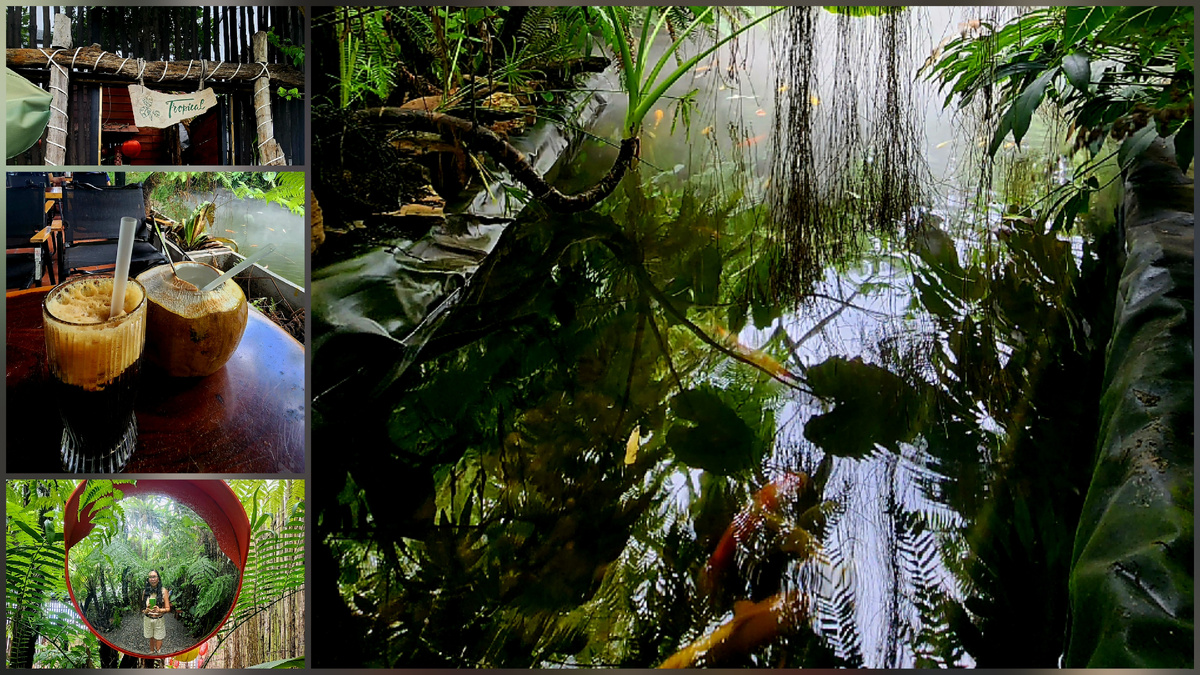
My first stop was Tropical Coffee, slightly outside the main historic streets.
It was a good decision.
The tables seemed hidden inside dense greenery. Koi moved through ponds below, water ran through the garden and the whole place felt more like a strange tropical courtyard than a normal coffee shop.
I sat there with coffee and a coconut before heading into the center.
It also set the tone for the day.
Some of the places I remembered most from Hoi An were not famous landmarks. They were courtyards, cafés, galleries and details I found while walking between them.
Hoi An Makes More Sense on Foot
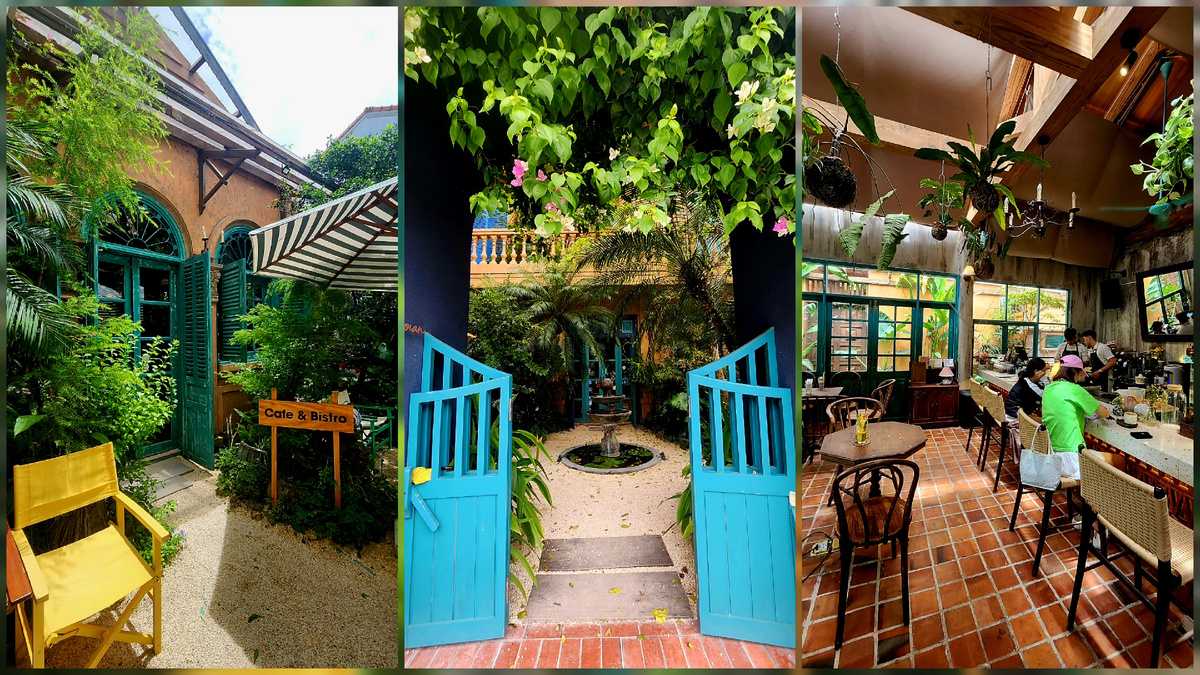
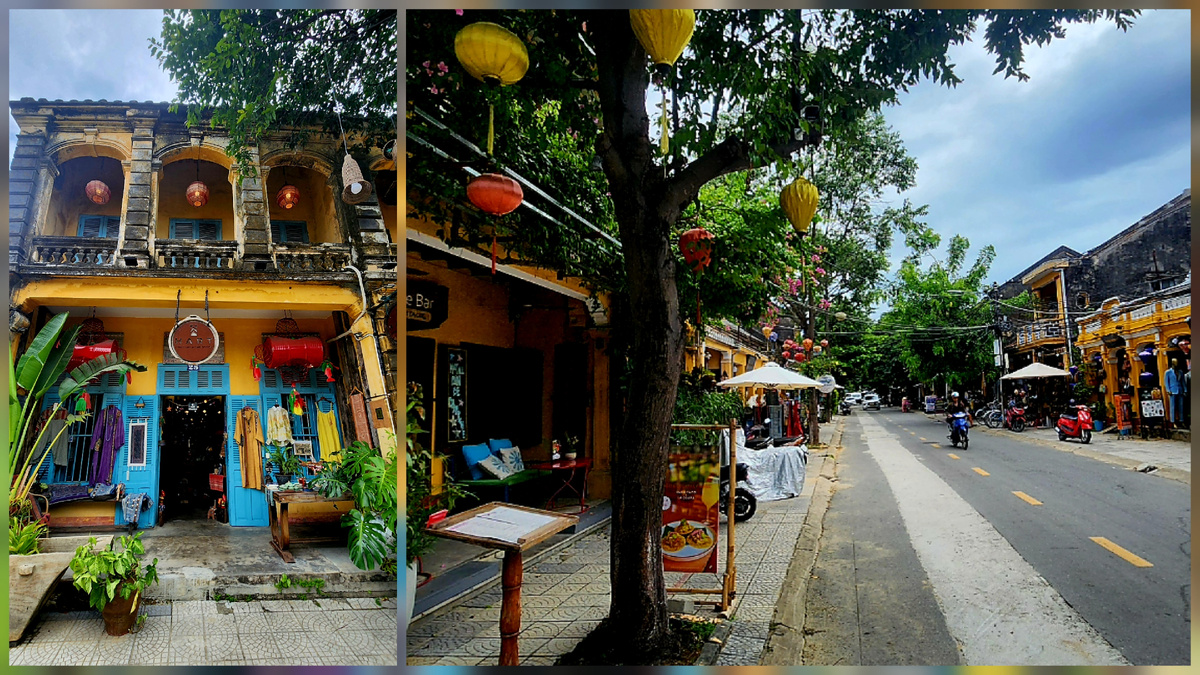
Once I started walking toward the historic center, I understood why Hoi An is difficult to reduce to a checklist.
There is always something between the official attractions:
- old wooden doors;
- dark beams;
- yellow walls;
- shutters;
- workshops;
- paintings;
- courtyards;
- tailor shops;
- lanterns;
- tiny galleries.
Hoi An was an important trading port for centuries, and the mix of Vietnamese, Chinese and Japanese influences is still visible in the buildings and streets.
That history matters, but you do not need to spend the day reading plaques to feel it.
Walking works remarkably well here.
The Place I Didn’t Expect to Love: Precious Heritage Museum
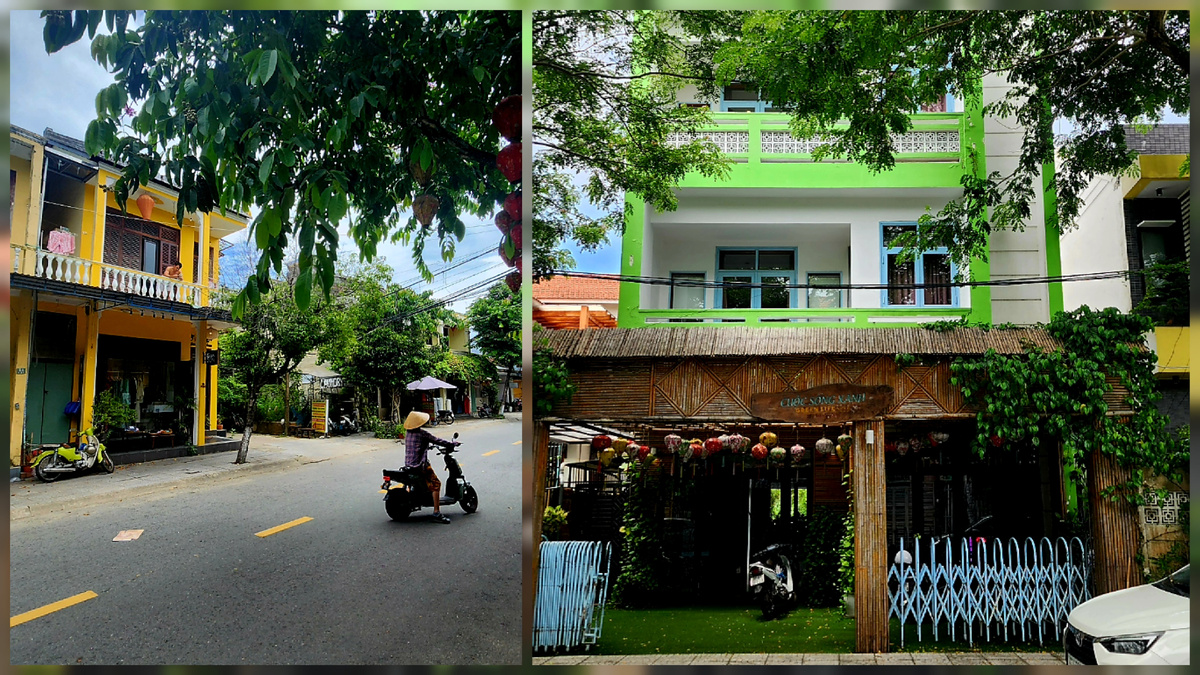
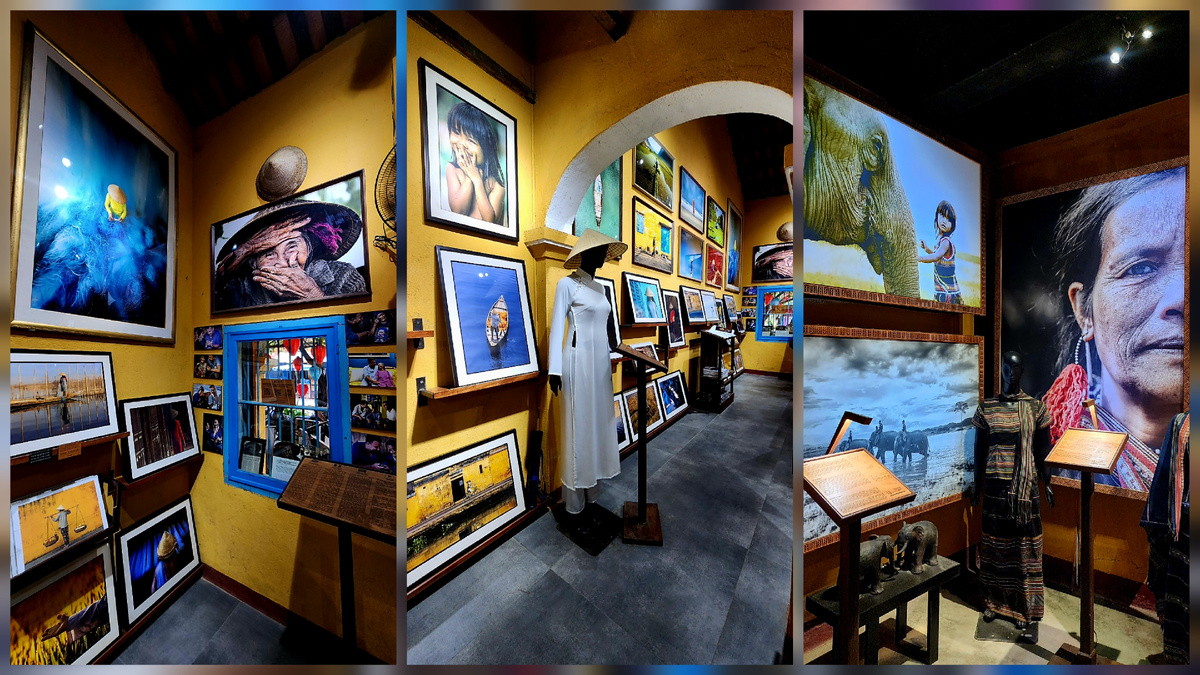
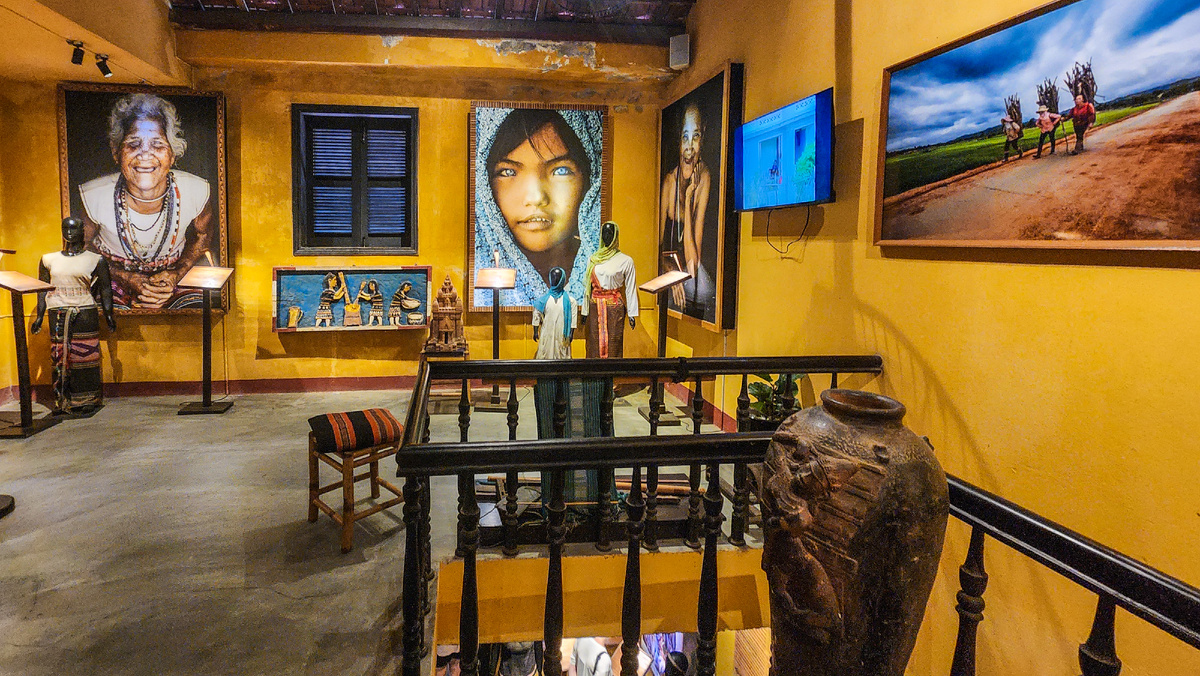
One of the strongest impressions of my day was Precious Heritage Art Gallery Museum.
I had not built my itinerary around it.
I went inside because I was curious.
Then I stayed much longer than expected.
The museum was created by photographer Réhahn and explores Vietnam’s ethnic diversity through portraits, traditional clothing, stories and objects collected during his travels.
The photographs of older women affected me most.
There was so much character, dignity and warmth in some of those faces that the visit became far more emotional than I had anticipated.
I entered expecting a photography gallery.
I came out feeling as though the day had suddenly become much bigger than Hoi An.
If I had only a few hours in town, I would still make time for this place.
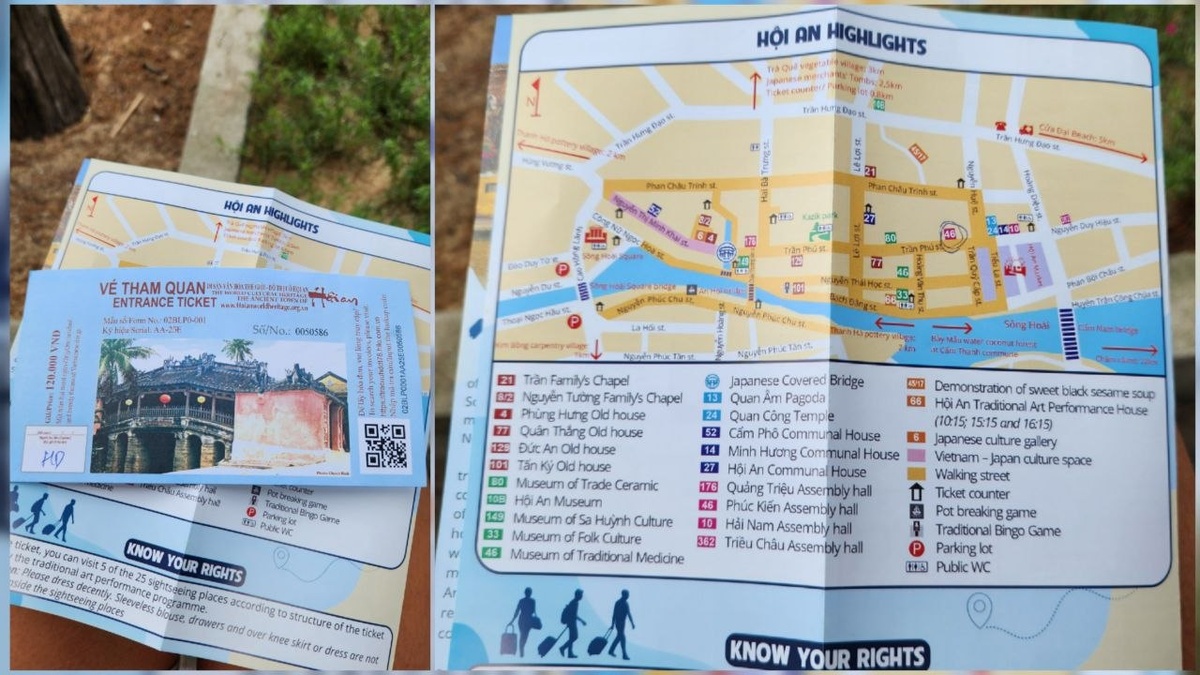
Do You Need a Hoi An Old Town Ticket?
You can enjoy a lot of Hoi An simply by walking through the historic center.
The Old Town ticket becomes useful when you want to enter heritage buildings, old houses, assembly halls and museums.
During my visit, the ticket cost 120,000 VND.
I would not try to use it as an excuse to race through as many interiors as possible.
Choose a handful that actually interest you and leave time for the streets between them.
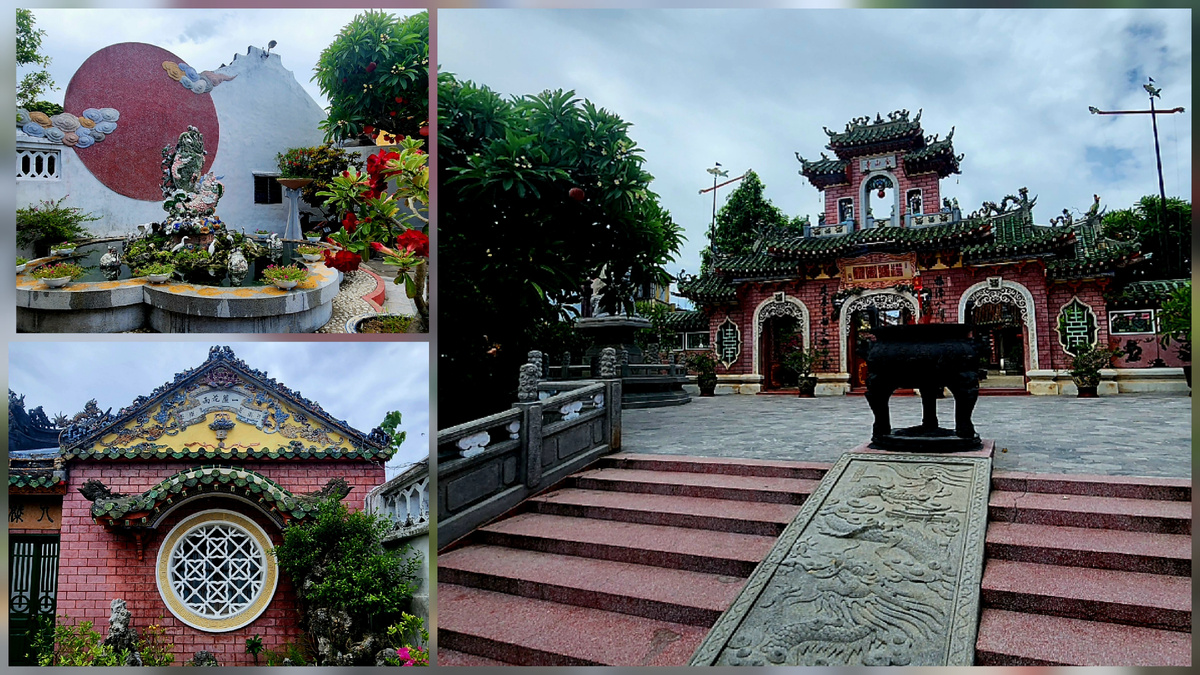
Fujian Assembly Hall
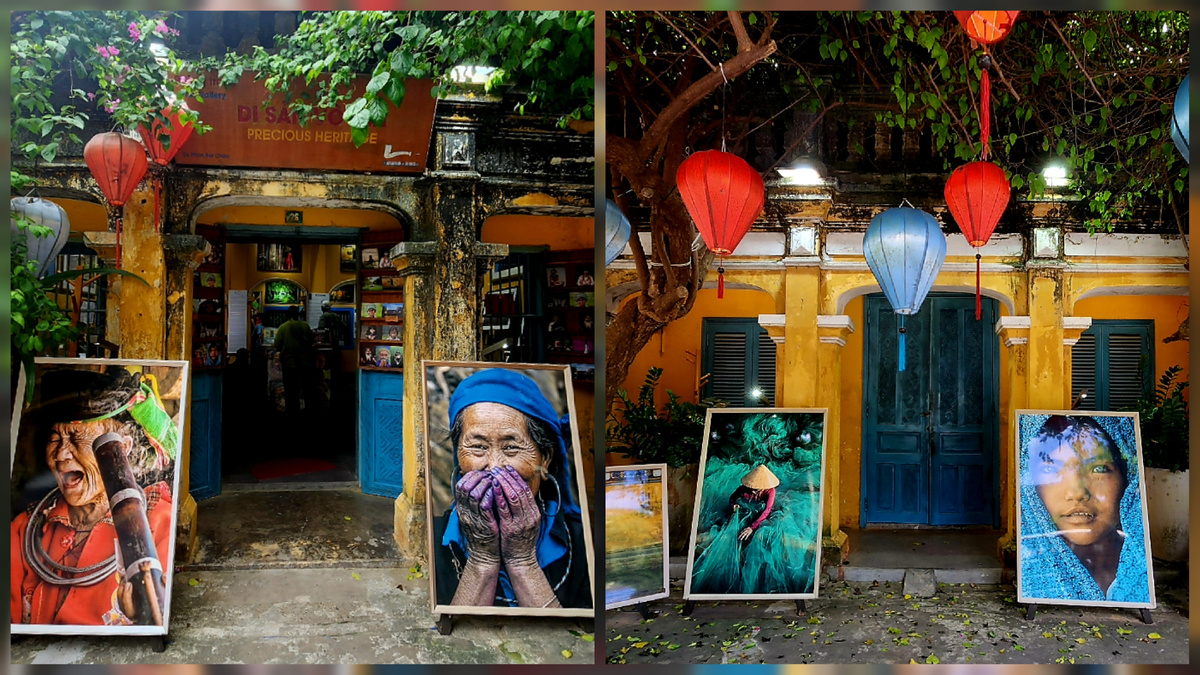
One of my first stops was Fujian Assembly Hall.
Hoi An’s assembly halls were not simply decorative temples. They were important community spaces for Chinese merchant groups living in the trading port.
The Fujian hall is associated with Thiên Hậu, the sea goddess connected with sailors and merchants.
That relationship with the sea makes much more sense here than it would in an isolated temple.
Hoi An existed because of trade, ships and people arriving from elsewhere.
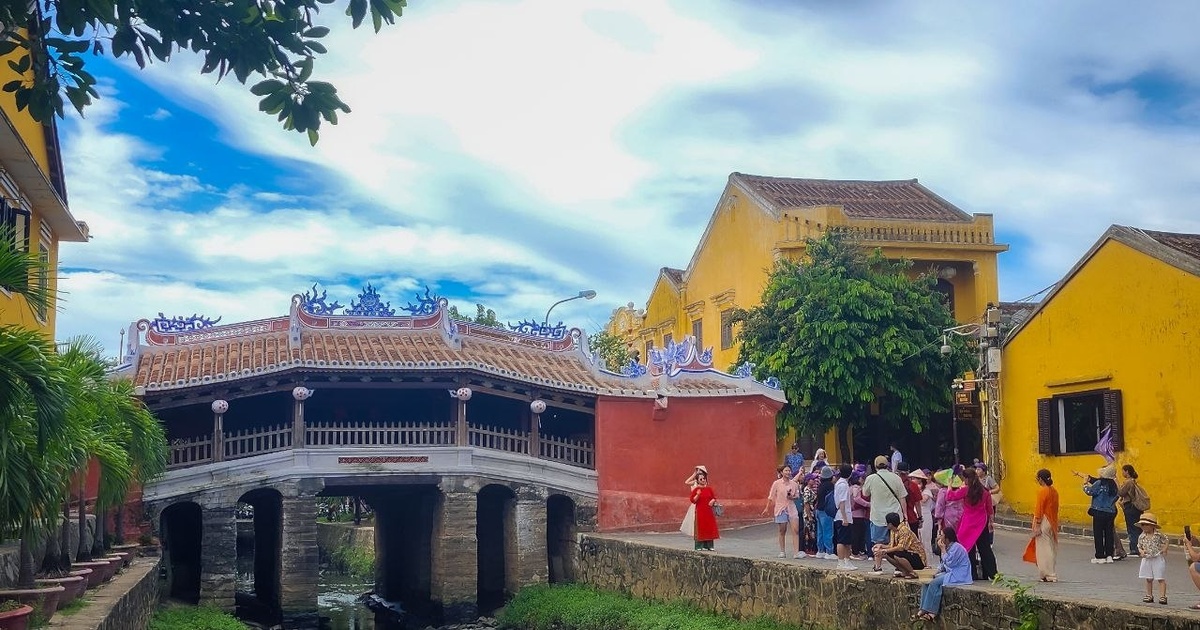
Japanese Covered Bridge
Next came the Japanese Covered Bridge, one of the most recognizable symbols of Hoi An.
It is easy to treat it as a photo stop because you see it everywhere before visiting.
In person, I found it more useful as another reminder of how international this small port once was.
The Japanese influence here is not a modern tourism theme. It belongs to the trading history of the town.
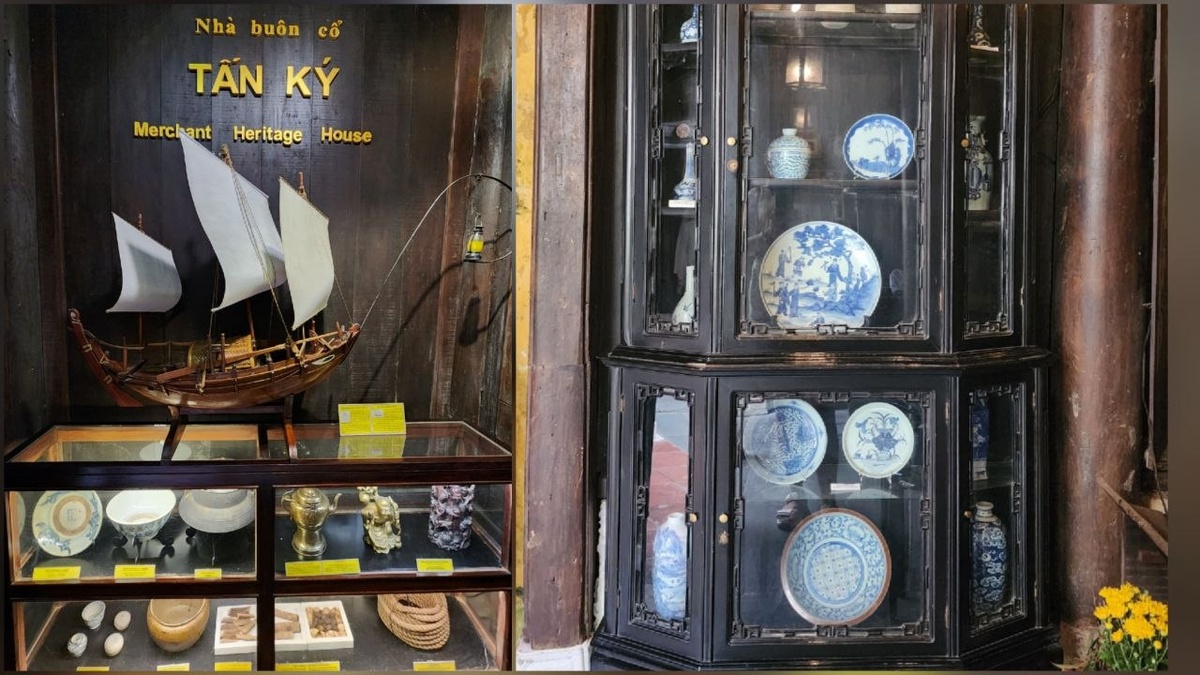
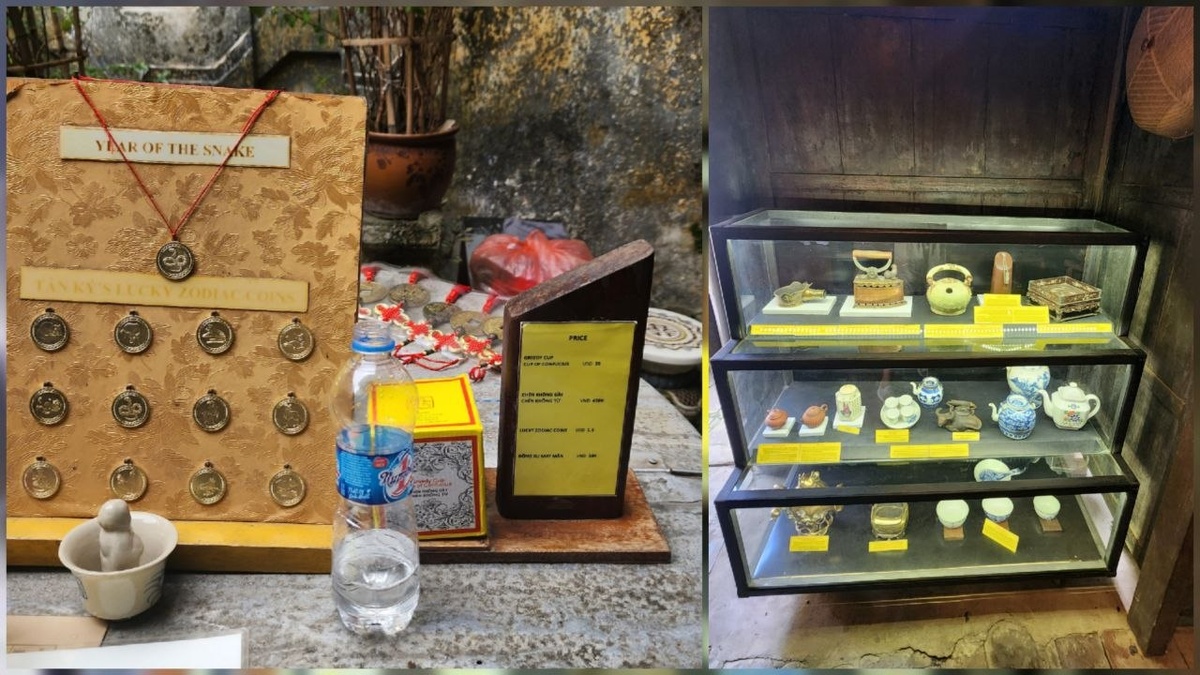
Old House of Tan Ky
Old House of Tan Ky made the merchant-city history much easier to visualize.
You can see how commercial and domestic life existed inside the same building, with business toward the street and private spaces farther inside.
Vietnamese, Chinese and Japanese architectural influences appear together.
Standing inside one of these houses tells you more about Hoi An as a trading town than another paragraph describing it as a former port.
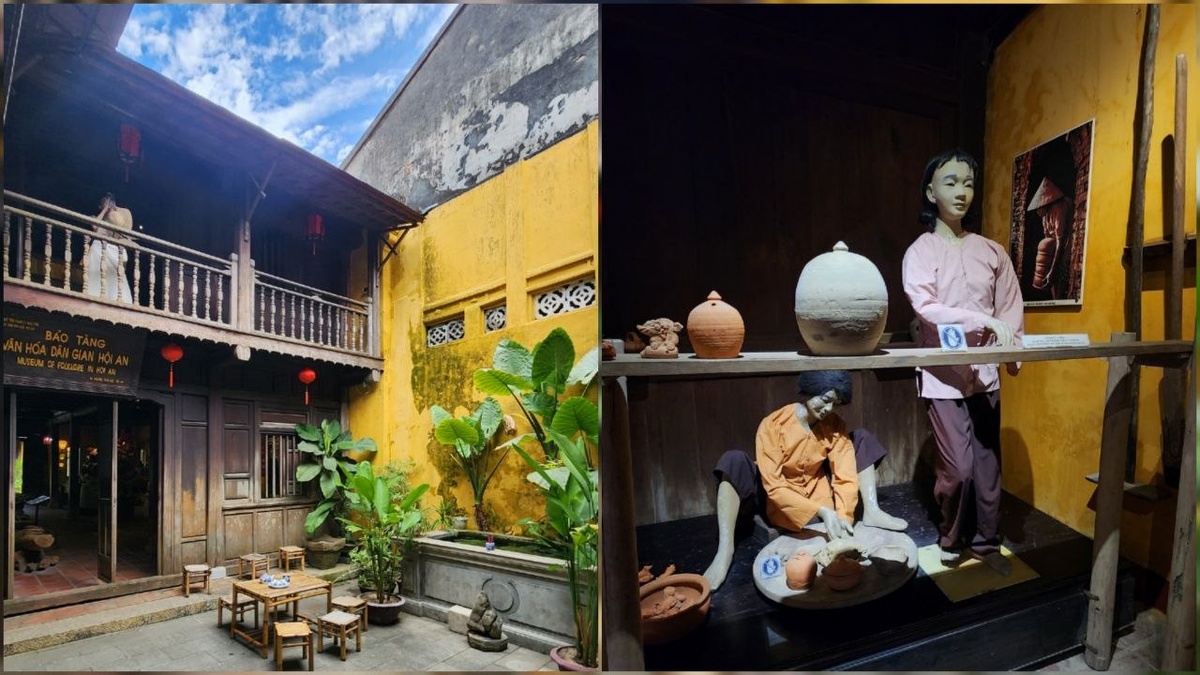
Museum of Folk Culture
I also visited the Museum of Folk Culture.
After assembly halls and merchant houses, it shifted the focus toward everyday life, traditional crafts, clothing and performance.
Precious Heritage was more memorable to me personally, but the Folk Culture Museum added useful context to the historic center.
The Bamboo Stick I Didn’t Understand
One of the more unexpected stops was the Hoi An Traditional Art Performance House.
I arrived during a short performance with singing, music and traditional instruments.
Then somebody gave me a bamboo stick.
I had no idea what I was supposed to do with it.
Eventually I realized it was connected with Bài Chòi, a traditional Central Vietnamese art form combining music, poetry, acting, singing and game elements.
The audience is not always completely passive, which explained the mysterious stick in my hand.
What I liked about the experience was that Bài Chòi did not feel like another cultural term I had read before travelling.
I encountered it in the middle of an ordinary afternoon and only understood what was happening afterwards.
Then I Left the Old Town for Cam Thanh
By late afternoon, I wanted a completely different setting.
I headed toward Cam Thanh and the Bay Mau coconut forest.
My trip included a transfer toward the waterways and then a ride in one of the round bamboo basket boats, or thúng chai.
After hours of yellow buildings, museums and busy streets, the change was immediate.
Water.
Shade.
Green palms.
A slower rhythm.
My Basket Boat Was Almost Private
There was another family on the route, but my round boat ended up being just me and the boatwoman.
We moved through narrow waterways between the palms.
She started making little figures from leaves as we went.
I got a flower ring and another shape that looked a little like a grasshopper.
Those are the things I remember more clearly than any staged photo opportunity.
Without small human moments like that, the basket boats could easily feel like a tourist production.
Mine did not.
If you book a Cam Thanh experience, check whether transport and boat fees are already included.
A Lantern on the Water
On the way back, we also lowered a small candle lantern onto the water.
Hoi An is so heavily associated with lanterns that it is easy to assume the experience will feel manufactured.
This moment did not.
It was just one small light moving on the darkening water.
Quiet and simple.
Back to Hoi An for the Best Part of the Day
When I returned to town, it was not fully dark yet.
That transition ended up being one of my favorite parts of Hoi An.
The yellow façades were still visible, but lights were beginning to appear.
The river started reflecting them.
Lanterns gradually became brighter than the buildings.
And the busy daytime heritage town turned into something softer.
I would deliberately leave space for this hour on another visit.
Hoi An at Night
After dark, the river becomes the center of everything.
Boats move slowly across reflections, lanterns appear along the waterfront and the streets become much busier.
I had intended to take an evening boat.
I never managed it.
But even from the shore, I could understand why so many people structure their Hoi An visit around staying into the evening.
Daytime and nighttime Hoi An feel like two different versions of the same place.
Bánh Mì Phượng: Good, but No Revelation
For food, I eventually went to Bánh Mì Phượng.
There was a queue, as expected.
I tried the famous bánh mì.
It was good.
I was glad I finally went.
But there was no life-changing sandwich moment.
And that is fine.
One of the things I dislike about travel lists is the assumption that every famous place has to become your personal favorite.
I would eat there again.
I just would not organize my whole evening around it.
The Thing I Most Regret Missing: Hoi An Memories Show
My final major plan was Hoi An Memories Show.
I did not make it.
The large outdoor production tells the story of Hoi An through hundreds of performers, music, costumes, lighting and a huge riverside stage.
It had been one of the main things I wanted to see that evening.
It is still on my list for the next visit.
Check the current performance date and time before building the evening around the show.
Then My Phone Ended the Day
The show was only one part of my original plan.
I also wanted to:
- take a night boat;
- make a lantern;
- paint a Vietnamese conical hat;
- stay overnight;
- walk through the rice fields the next morning.
In my head, this had already become more than a day trip.
Then water got into my phone.
It stopped charging.
I could not find a useful wireless charging option nearby.
And suddenly the night boat, show and workshops became irrelevant.
I needed a working phone.
So I called a taxi and went back to Da Nang.
Not the ending I had planned.
But it did answer one question very clearly.
Next Time I Would Stay Overnight
Hoi An absolutely works as a day trip.
You can see a lot.
But I would not do it the same way again.
One night would give me time for:
- Hoi An Memories Show;
- an evening boat;
- a lantern workshop;
- a slower dinner;
- early morning streets before the day-trip crowds;
- rice fields;
- another coffee without checking the clock.
The evening is not simply an extension of the sightseeing day.
It is one of the reasons to visit.
And early morning gives you another version of the town again.
Is One Day in Hoi An Enough?
Yes, for an introduction.
A long day can comfortably include:
- walking through the Old Town;
- a few heritage interiors;
- one museum;
- coffee or lunch;
- Cam Thanh basket boat;
- sunset;
- lanterns after dark.
One day becomes too short when you also want:
- workshops;
- several museums;
- countryside;
- Hoi An Memories Show;
- night boat;
- long meals;
- quiet early morning streets.
If several of those matter to you, stay overnight.
What I Would Keep From My Day
I would still start slowly.
I would keep Precious Heritage Museum.
I would enter fewer heritage buildings rather than more.
I would absolutely keep the basket boat.
I would return to Hoi An before sunset.
And I would stop treating the journey back to Da Nang as a fixed part of the plan.
That last change would make the biggest difference.
Planning a Hoi An Trip From Da Nang
Old Town Tickets
For heritage houses, assembly halls and museums:
Tours and Activities
For Cam Thanh, food tours, walking tours and other experiences:
Hoi An Memories Show
Hotels
If your schedule allows it, I would choose one night in Hoi An rather than rushing back after dark.
Flights
Da Nang International Airport is the main gateway for a Hoi An trip.
Private Transfer
Hoi An Was a Comma, Not a Full Stop
Even with the phone problem, this never felt like a failed day.
There was coffee, a museum I had not expected to care about, merchant houses, music, a bamboo stick I initially did not understand, basket boats, tiny gifts made from leaves, lanterns and a famous bánh mì that I liked without falling in love with.
And there was a long list of things I never got to do.
For a while afterwards, I even thought about coming back to Hoi An for a month.
Not to sightsee every day.
Just to live more slowly.
Morning coffee, evening lanterns, workshops, rice fields and streets without a checklist.
Instead, I continued north through Vietnam.
So Hoi An never became a full stop in that trip.
It stayed a comma.
And that is probably why I still want to go back.
Some links in this article are affiliate links. If you book through them, I may earn a small commission at no extra cost to you.