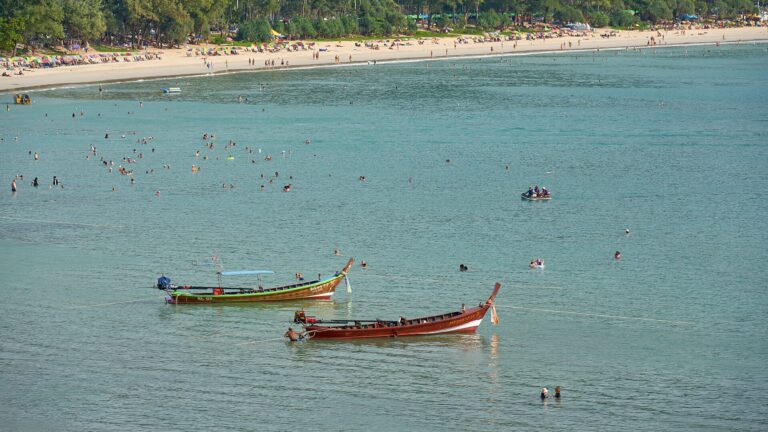
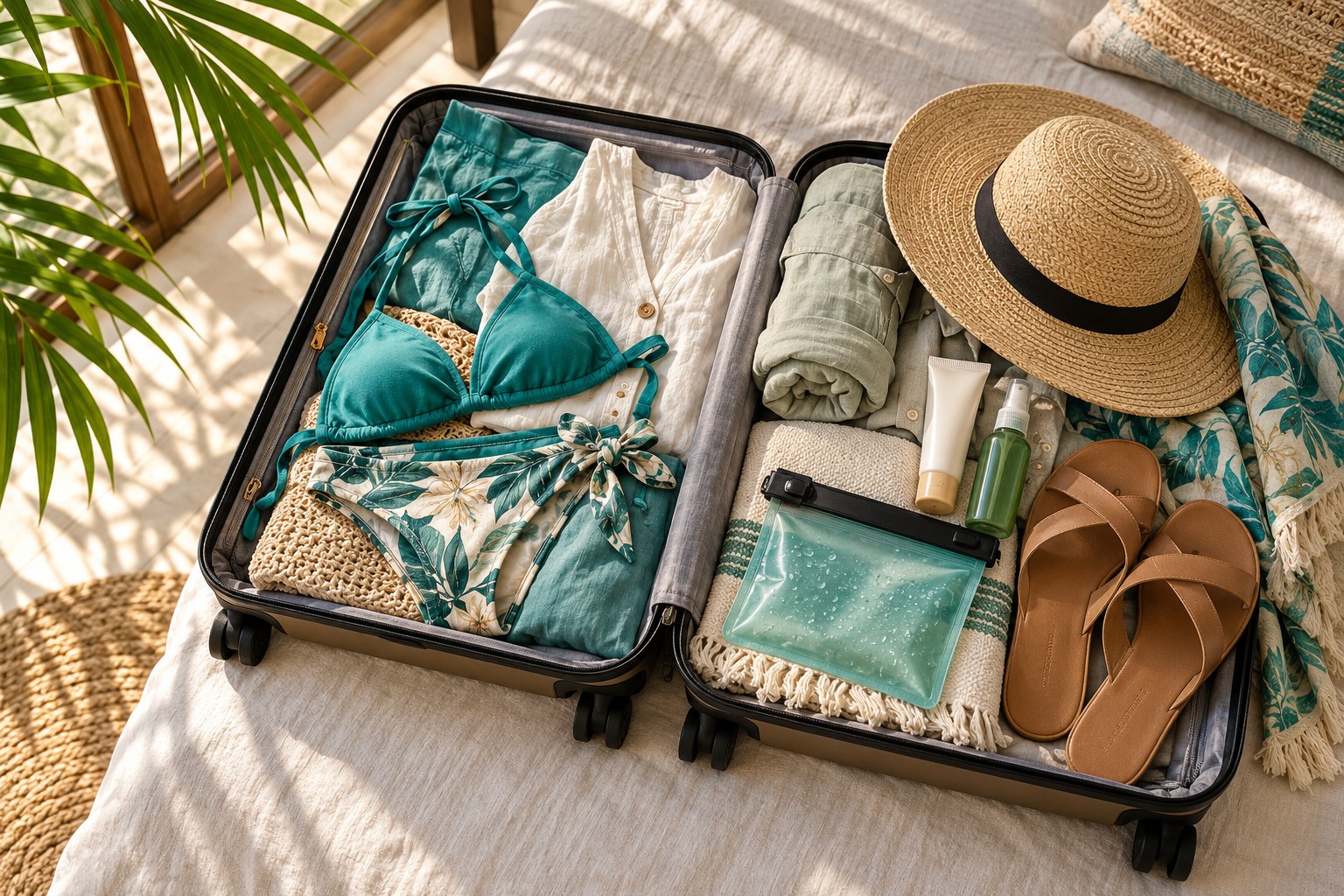
Phuket Packing List: What to Bring, Buy & Leave at Home
Packing for Phuket sounds simple. It’s a tropical island, so throw a few swimsuits, T-shirts and sandals into your suitcase, right?
That works until you find yourself on a speedboat with a soaking-wet bag, trying to visit a temple in beachwear, or scratching insect bites that refuse to heal.
I’ve spent a lot of time in Phuket, and my packing priorities have changed. I would rather bring a good insect repellent and a waterproof bag than an extra outfit I’ll never wear.
The good news is that Phuket is easy to pack for once you know what matters. You don’t need a suitcase full of clothes, expensive beach equipment or a separate product for every imaginable situation.
This Phuket packing list covers what to bring for a week, what to add during the rainy season, which essentials you can buy locally and what is better left at home.
This article contains affiliate links. If you book or buy through them, I may earn a commission at no extra cost to you.
Phuket Packing List: The Essentials at a Glance
If you only remember ten things, make them these:
- Lightweight, breathable clothes that dry quickly.
- At least two swimsuits if you plan to swim regularly.
- Comfortable sandals and shoes suitable for walking.
- High-SPF sunscreen, sunglasses and a sun hat.
- Insect repellent suitable for mosquitoes and biting midges.
- A waterproof phone pouch or small dry bag.
- A light layer for temples, air-conditioned spaces and boat trips.
- Prescription medicines and a basic first-aid kit.
- Your phone, charger and a suitable travel adapter if needed.
- Passport, entry documents, insurance details and payment cards.
You can buy many everyday items after arrival. However, sunscreen, insect repellent and any medication you rely on are worth having from your first day.
What to Pack for 7 Days in Phuket
Here is a realistic starting point for a one-week holiday.
| Item | Suggested quantity |
|---|---|
| Lightweight T-shirts or tops | 4–5 |
| Shorts, skirts or other casual bottoms | 2–3 |
| Lightweight trousers | 1 |
| Light long-sleeved shirt or cover-up | 1 |
| Swimwear | 2 |
| Underwear | 7 pairs |
| Socks | 2–3 pairs, more if wearing sneakers daily |
| Sandals or flip-flops | 1 pair |
| Comfortable walking shoes | 1 pair |
| Light rain layer | 1 |
| Sleepwear | 1–2 sets |
| Sun hat and sunglasses | 1 each |
| Small day bag | 1 |
Adjust the quantities to your routine. Someone spending every day by the pool will need different clothes from someone planning hikes, markets and motorcycle trips.
Laundry is widely available in Phuket, so packing for seven days doesn’t mean you need seven completely different outfits.
What to Wear in Phuket
Phuket is hot and humid for much of the year, but heat isn’t the only consideration. You’ll also encounter strong sunshine, sudden rain, powerful air conditioning and sometimes fairly wet or muddy streets.
Choose breathable clothes, not just beachwear
Loose cotton and linen clothes are comfortable for sightseeing, cafes and relaxed evenings. Lightweight synthetic fabrics can be useful when you expect to sweat or get wet because many dry faster than heavier cotton.
I would pack:
- A few comfortable tops that can be mixed and matched.
- Shorts or skirts for everyday wear.
- One pair of loose trousers.
- One long-sleeved shirt for sun protection.
- A casual dress or slightly smarter outfit if you enjoy dressing up for dinner.
You don’t have to abandon your usual style just because you’re travelling to Thailand. Jeans, for example, aren’t forbidden, but heavy denim can feel uncomfortable in high humidity and takes longer to dry.
If you love your jeans, bring a lightweight pair. Just don’t make them the foundation of your holiday wardrobe.
What to wear at Phuket temples
Beachwear isn’t appropriate at Buddhist temples.
At major religious sites, the safest approach is to cover your shoulders and knees, avoid revealing clothes and dress respectfully. Individual sites may have their own requirements.
A loose shirt and lightweight trousers are usually much more practical than trying to improvise with a small scarf at the entrance.
A large sarong can also be useful, although you shouldn’t assume every temple will accept it as suitable clothing.
You also need footwear that’s easy to remove before entering areas where shoes are not permitted.
How many pairs of shoes do you need?
For most people, two pairs are enough:
Comfortable sandals: for beaches, restaurants, markets and ordinary walks.
Sneakers or other closed shoes: for longer walks, uneven surfaces and active excursions.
Light flip-flops are an optional extra for the pool or hotel.
If you plan to explore waterfalls, jungle trails or rocky coastal areas, choose footwear with reliable grip. Smooth-soled flip-flops are not suitable for slippery paths.
And if you’re planning to ride a scooter, don’t treat beach sandals as protective riding footwear. Closed shoes are the more sensible choice, along with a properly fitted helmet and the appropriate driving licence.
Beach and Island-Hopping Essentials
A beach holiday and a full-day boat excursion are not quite the same packing problem.
For an ordinary beach day, you need very little. A boat trip introduces saltwater, spray, slippery surfaces and hours of sun exposure.
What to bring to the beach
My practical beach kit would contain:
- Water-resistant sunscreen.
- Sunglasses and a hat.
- A reusable water bottle.
- A small towel if the hotel doesn’t provide beach towels.
- A waterproof pouch for valuables.
- A dry change of clothes if needed.
- A small amount of cash.
A huge beach bag isn’t necessary unless you’re travelling with children or carrying equipment.
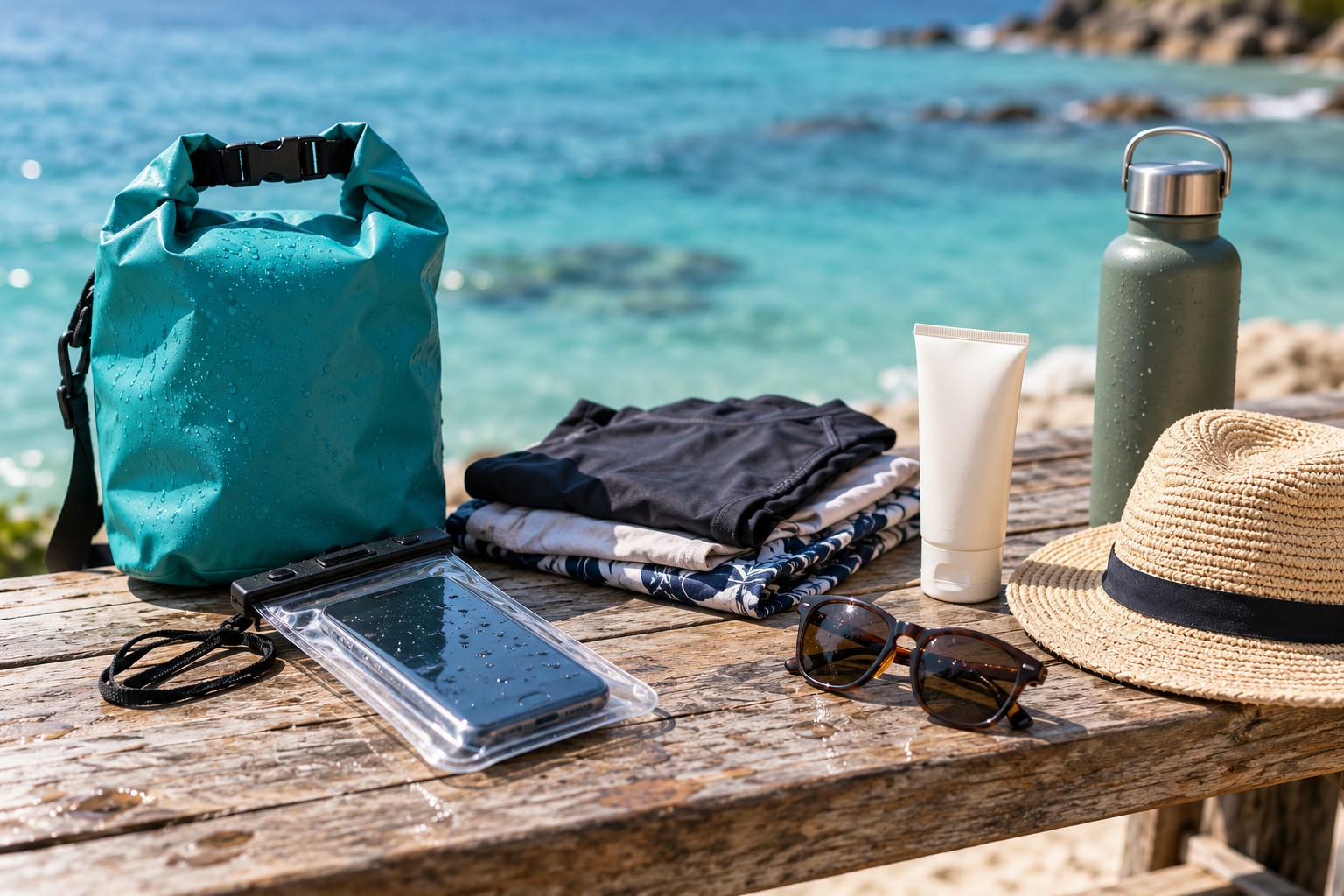
Why a dry bag is worth bringing
A dry bag is one of the few travel accessories I would genuinely recommend for Phuket.
It is particularly useful for longtail boat rides, speedboat excursions and kayaking around Phang Nga Bay.
Even if you don’t get into the water, your belongings may get splashed during boarding or while the boat is moving.
A small roll-top dry bag can hold your phone, wallet and spare clothes. A separate waterproof phone pouch is convenient when you want to keep your phone accessible.
Remember that water-resistant isn’t automatically waterproof. Test the closure of a new pouch before trusting it with an expensive phone, and don’t assume it’s safe for underwater use without checking its specifications.
Sunscreen: Check the ingredients
The sun is one of the biggest practical concerns when packing for Phuket.
Choose broad-spectrum, water-resistant sunscreen, ideally SPF 50 or higher for long beach days. Reapply according to the label, especially after swimming, sweating or drying yourself with a towel.
There is also a Thailand-specific rule worth knowing.
Thai national parks prohibit sunscreens containing four particular ingredients because of their potential harm to coral reefs:
- Oxybenzone (benzophenone-3).
- Octinoxate (ethylhexyl methoxycinnamate).
- 4-methylbenzylidene camphor (4-MBC).
- Butylparaben.
This is not a nationwide ban on every chemical sunscreen. The important point is to check the actual ingredients before visiting protected marine areas, including relevant national park sites.
A mineral sunscreen containing zinc oxide or titanium dioxide can be a convenient option, but don’t rely solely on unregulated marketing claims such as “reef-safe.”
You can check the Thai government’s sunscreen and beach-safety advice.
Do you need snorkeling equipment?
Usually not for a casual excursion.
Many organized snorkeling trips provide masks and other necessary equipment, although inclusions vary by operator.
Before buying or packing your own equipment, check what your particular tour supplies.
If you wear prescription lenses, prefer your own mask for hygiene or have difficulty finding a good fit, bringing personal equipment may be worthwhile.
For a Phi Phi and Maya Bay day trip from Phuket, check your date and group size below. Review the equipment, pickup arrangements and cancellation terms before booking.
Sandflies in Phuket: A Small Problem With Unpleasant Consequences
Here’s something I wish more Phuket packing guides mentioned: tiny biting insects on and around the beaches can cause surprisingly nasty skin reactions.
People commonly call them sandflies, sand fleas or biting midges, although these names can refer to different insects. It isn’t always possible to identify the culprit from the bites alone.
Bangkok Hospital Phuket has published information about small biting black flies found around coastal areas, beaches and mangroves. The hospital specifically mentions Nai Yang as an area associated with reported bites.
My experience with beach insect bites in Phuket
I had an especially unpleasant experience with bites that appeared to come from these tiny beach insects.
The itching was intense. The affected areas became inflamed, started to darken and some of the bites even began oozing fluid.
It wasn’t the kind of reaction that disappeared after a night or two. My skin took almost a month to recover fully.
Of course, not everyone reacts this severely. But after experiencing it, I wouldn’t go to a Phuket beach without thinking about insect protection.
How to protect yourself
Biting midges and similar insects can be so small that you may not notice them until the itching begins.
Protection is especially worth considering when spending time on quieter beaches, around vegetation or mangroves, or sitting outside for long periods.
Useful precautions include:
- Use an insect repellent with an active ingredient such as DEET or picaridin, checking that its label covers the insects you’re trying to avoid.
- Cover your ankles and legs with lightweight clothing when insects are active.
- Avoid sitting directly on sand in areas where you notice repeated bites.
- Reapply repellent according to its instructions, particularly after swimming.
- Don’t apply insect repellent to broken or irritated skin.
For ordinary mosquito protection, suitable repellent is important throughout the day, not only after sunset. Some mosquitoes that transmit dengue are active during daylight hours.
What if you get bitten?
Wash the affected skin gently and avoid scratching, even when the itching is severe.
Cool compresses may help. A pharmacist can advise on suitable anti-itch treatment, including an antihistamine or an appropriate topical product.
If the bites become increasingly painful, hot, swollen, produce fluid or pus, or don’t improve, seek medical advice. Broken skin can become infected, and not every persistent rash is simply an insect bite.
For more background, see Bangkok Hospital Phuket’s information on biting flies.
My packing advice: bring a small, effective insect repellent and make room for basic bite-care supplies. They will be far more useful than many supposedly essential travel gadgets.
What to Pack for Phuket During the Rainy Season
Phuket’s southwest monsoon generally affects the island from around May to October. Conditions can be especially wet during September and October, although the timing and intensity vary between years.
Rain doesn’t always arrive as a convenient short shower in the afternoon.
You can have sunny periods, heavy showers, repeated downpours, rough seas and days when outdoor plans become less appealing.
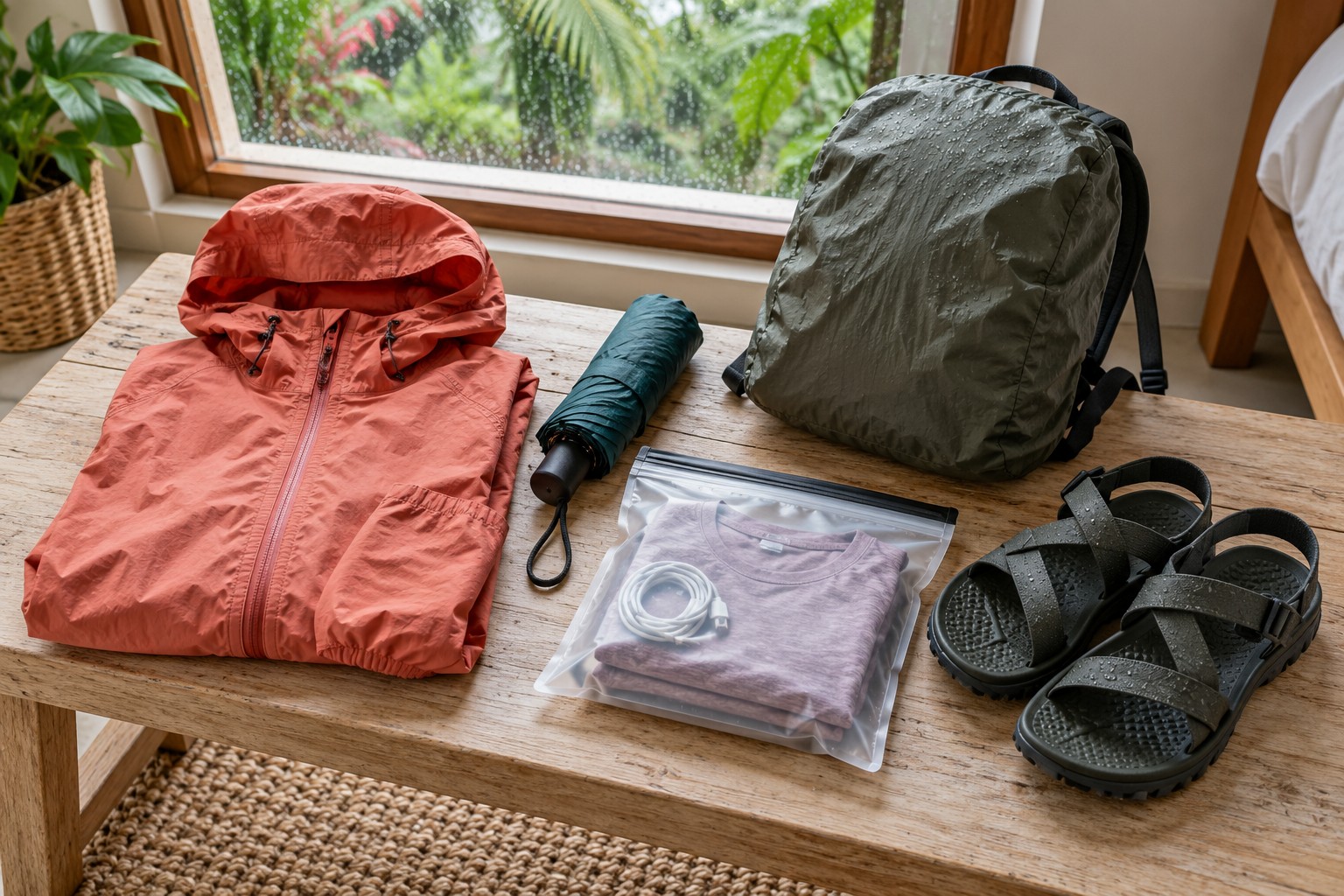
Extra rainy-season packing essentials
I would add:
- A lightweight waterproof jacket or reusable poncho.
- Shoes or sandals with good wet-weather grip.
- A compact umbrella for walking around town.
- A waterproof cover for your day bag.
- Resealable bags for small electronics and documents.
- An extra quick-drying outfit if you expect to be outside frequently.
One important distinction: an umbrella is useful for walking between shops and cafes, but much less helpful in strong wind or on a moving boat.
Avoid filling your suitcase with heavy rain gear. The temperature is still tropical, and bulky waterproof clothing can become uncomfortable very quickly.
Rainy-season beach safety
Packing the right clothes doesn’t solve every monsoon problem.
The sea along Phuket’s exposed west coast can become dangerous because of large waves and rip currents.
A red beach flag means you should not swim. Follow lifeguard instructions and never assume that a beach is safe simply because there are no warning flags.
Boat excursions may also be changed or cancelled when conditions are unsafe.
Still deciding where to stay? The Phuket, Krabi and Koh Samui comparison explains the seasonal differences between these bases.
Toiletries and Medicines: What to Bring From Home
This is where you can save space without sacrificing comfort.
Phuket has pharmacies, supermarkets, convenience stores and beauty retailers. You don’t need to transport an entire bathroom cabinet.
But some things are worth packing rather than shopping for on arrival.
Toiletries worth bringing
I would bring travel sizes of anything I use regularly or might need immediately:
- Sunscreen suitable for my skin.
- Insect repellent.
- Toothbrush and a small toothpaste.
- Deodorant.
- Essential skincare products.
- Contact lenses and any specific lens-care products.
- Period products or other personal-care items I prefer.
- Prescription skincare or medication.
If a particular product causes irritation when you switch brands, take enough of your usual one.
The point isn’t to bring the smallest possible toiletry bag at all costs. It’s to avoid bringing bulky products that are readily available locally.
A sensible first-aid kit for Phuket
You don’t need a pharmacy in your suitcase, but a few basics can save a trip to a shop when you’re tired, overheated or dealing with itchy bites.
Consider packing:
- Any prescribed medication you need.
- Adhesive bandages and small sterile dressings.
- Basic wound-cleaning supplies.
- Oral rehydration salts.
- Your usual pain reliever, where appropriate.
- An antihistamine you can safely take.
- Any doctor- or pharmacist-recommended treatment for insect bites.
Medicines have restrictions that ordinary toiletries don’t.
Some drugs, including particular narcotic or psychotropic medicines, are controlled in Thailand and may require permission before travel. Even familiar cold medicines can contain ingredients subject to restrictions.
Check your medications against the Thai FDA’s official traveler guidance before departure.
Keep medicines in their original packaging and carry relevant prescriptions or medical documents.
Electronics, Chargers and Staying Connected
You probably need fewer electronics than you think.
For most Phuket holidays, a smartphone handles maps, photography, translation, bookings and transport applications.
Phone, charger and eSIM
Bring your charging cable, wall charger and a protective case.
Before leaving, download offline maps, save your hotel address and keep important booking information accessible even without mobile data.
If your phone supports eSIM, you can arrange a data plan in advance. Check that the plan specifically covers Thailand, how much data it includes and when its validity starts.
Want mobile data ready when you land? Compare Thailand-compatible travel eSIMs on Trip.com. Check coverage, data allowance and activation rules before buying.
You can also buy a physical tourist SIM after landing.
Mobile data is particularly useful when arranging transport from Phuket Airport.
Do you need a travel adapter?
Thailand uses approximately 220V electricity at 50Hz.
Sockets vary and often accommodate more than one plug type. Type A, B, C and Thai Type O configurations are relevant, but actual outlets differ between properties.
Before packing an adapter, check your charger and the type of plug it uses.
Most modern phone and laptop chargers support a wide voltage range, commonly marked 100–240V.
A plug adapter changes the physical connection. It does not convert voltage. This matters if you’re bringing appliances designed exclusively for lower-voltage electrical systems.
Power bank rules in Thailand
A power bank is useful on excursions, long travel days and when using your phone for navigation.
However, Thailand introduced tighter aviation rules in 2026.
Under the Civil Aviation Authority of Thailand’s rules:
- Power banks belong in cabin baggage, never checked luggage.
- Each passenger may carry no more than two.
- Units rated up to 100Wh are generally permitted; those above 100Wh and up to 160Wh require airline approval.
- Using a power bank to charge devices, or charging the power bank itself, is prohibited during the flight.
- Power banks must remain accessible rather than being stored in overhead compartments.
Check the exact watt-hour rating printed on your device and confirm your airline’s rules, particularly if your itinerary includes international connections.
See the CAAT passenger dangerous goods guidance.
You don’t automatically need the largest power bank available. A smaller, reliable one may be entirely sufficient.
Documents to Prepare Before Flying to Phuket
Some of the most important things on your Phuket packing list aren’t physical possessions at all.
Before travelling, check that you have:
- A valid passport and sufficient remaining validity for your circumstances.
- The correct visa or visa-exemption eligibility for your nationality and trip.
- Your flight and accommodation information.
- Any onward-travel documentation required for your entry category.
- Travel insurance details and emergency contacts.
- Access to a payment card and some backup funds.
- Copies of important documents stored securely.
Still booking your flight? Compare fares for your travel dates and check the baggage allowance before deciding what to pack.
Thailand Digital Arrival Card (TDAC)
Most foreign visitors entering Thailand must complete the Thailand Digital Arrival Card, or TDAC.
It is submitted online within the three-day window before arrival, including the arrival date.
The official TDAC is free. Use the Thai Immigration Bureau website, not a third-party service charging to submit the form.
The TDAC is an arrival declaration, not a substitute for a visa if one is required.
Save your submission confirmation somewhere accessible before your flight.
Things to check before you pack
Thailand has restrictions on certain items that travellers may assume are harmless or legal elsewhere.
In particular:
Vapes and e-cigarettes: Thailand prohibits importing these products, and possession or use can result in serious legal consequences. Don’t bring them.
Controlled medications: check the active ingredients and any required permits.
Drones: don’t pack one assuming you can immediately fly it over a beach. Registration and airspace rules may apply, and additional restrictions can affect specific locations.
Power banks and batteries: follow the cabin-baggage rules already discussed.
A quick check before departure is much better than dealing with customs or airport security after landing.
What to Buy in Phuket Instead of Packing
Not everything deserves space in your suitcase.
Shops such as 7-Eleven, Boots, Watsons, supermarkets and local retailers make it easy to pick up ordinary travel supplies after arriving.
Here’s how I would decide.
| Item | Pack or buy in Phuket? | Why |
|---|---|---|
| Prescription medicines | Pack | Specific products and legal requirements matter |
| Sunscreen | Pack a starter supply | You’ll need it immediately and may prefer a familiar formula |
| Insect repellent | Pack or buy | Easy to find locally, but check its active ingredients |
| Shampoo and shower gel | Usually buy | Hotels may provide them; ordinary brands are widely available |
| Beach flip-flops | Either | Easy to find locally if you don’t already own a pair |
| Beach towel | Check your hotel first | Many properties provide towels, but policies vary |
| Dry bag | Either | Worth having if you plan boat trips; check quality |
| Umbrella or poncho | Either | Can be bought locally when needed |
| Specialized skincare | Pack | Your preferred formula may be difficult to find |
| Large snorkeling set | Usually skip | Check what your tour operator provides |
I wouldn’t promise that everything is cheaper in Thailand. Prices depend on the brand and retailer, and imported sunscreen or personal-care products can be expensive.
For a short holiday, spending half a day shopping to save a little luggage space often isn’t worth it.
What NOT to Pack for Phuket
Some things are unnecessary for most visitors, while others depend entirely on your travel plans.
Heavy clothes you won’t wear
You don’t need winter clothes, multiple thick hoodies or a suitcase full of formal outfits.
One light extra layer is usually enough for air-conditioned transport, a chilly boat ride or an occasional cooler evening.
Too many shoes
Pack for what you will actually do.
A collection of beach sandals, dress shoes, hiking boots and heels makes little sense if your itinerary consists of beaches, cafes and a few excursions.
Full-size toiletries for a short trip
Unless you need a particular formula, buy ordinary toiletries locally or use what’s provided by your hotel.
Expensive jewelry and unnecessary valuables
You can enjoy a holiday without bringing every valuable item you own.
Beach days, swimming, changing rooms and boat excursions are easier when you’re not worried about delicate or expensive accessories.
Equipment you haven’t planned to use
Don’t buy an underwater camera, snorkel set or action-camera accessories just because another packing list calls them essential.
Renting equipment, using what the operator provides or simply taking photos with your phone may be more appropriate.
And don’t automatically leave your laptop at home if you genuinely need to work. Packing light is about avoiding unnecessary things, not following arbitrary rules.
Phuket Packing Checklist: Save This Before Your Flight
Use this as your final checklist for a one-week trip. Adjust quantities to your needs and the length of your stay.
Clothes and shoes
- 4–5 lightweight tops
- 2–3 shorts, skirts or casual bottoms
- 1 pair of lightweight trousers
- 1 long-sleeved shirt or cover-up
- 2 swimsuits
- Underwear and socks
- Sleepwear
- Comfortable sandals
- Walking shoes
- Light rain layer
Beach and outdoor essentials
- Sunscreen
- Sunglasses
- Sun hat
- Insect repellent
- Small beach/day bag
- Waterproof phone pouch or dry bag
- Reusable water bottle
- Beach towel, if needed
Toiletries and health
- Toothbrush and personal toiletries
- Essential skincare products
- Prescription medication and documentation
- Basic first-aid supplies
- Insect-bite care supplies
- Oral rehydration salts
Technology and travel documents
- Phone and charging cable
- Compatible charger or adapter
- Power bank compliant with airline rules
- Thailand eSIM or SIM plan
- Passport and visa, if required
- TDAC submission confirmation
- Flight and hotel details
- Travel insurance information
- Payment cards and backup money
Add for rainy-season travel
- Waterproof jacket or reusable poncho
- Bag rain cover
- Shoes with reliable wet-weather grip
- Resealable bags for wet or delicate items
You don’t need every optional item. A practical checklist should make your luggage lighter, not persuade you to buy more things.
Frequently Asked Questions About Packing for Phuket
What should I wear in Phuket every day?
Lightweight tops, shorts, loose trousers, dresses and comfortable sandals work well for most everyday activities. Add a modest outfit for temples and shoes suited to longer walks or outdoor excursions.
Can I wear shorts in Phuket?
Yes. Shorts are normal for beaches, shopping and casual sightseeing. For temples and certain other venues, more conservative clothing may be expected.
Do I need a jacket in Phuket?
You generally don’t need a warm jacket. A lightweight rain jacket or an extra layer can be useful in air-conditioned vehicles, on boats or during wet weather.
Should I bring mosquito repellent to Phuket?
Yes, or buy a suitable product when you arrive. Mosquitoes can be active during the day, and other biting insects, including those commonly called sandflies, can cause unpleasant reactions.
Are sandflies a problem in Phuket?
Small biting insects occur around some Phuket beaches and coastal vegetation. Reactions vary: some people experience mild itching, while others develop pronounced swelling or persistent skin irritation. Repellent and appropriate clothing can reduce exposure.
Do I need water shoes in Phuket?
Not for every beach. They may be useful for specific rocky shorelines or water activities, but they’re not automatically essential for swimming at ordinary sandy beaches. Be careful about sharp rocks and marine life, and avoid stepping on coral.
Can I travel to Phuket with carry-on luggage only?
Yes, especially for a short holiday, but weigh your luggage before leaving. Your allowance depends on the airline and fare. AirAsia’s standard cabin-baggage allowance, for example, is a combined 7kg across its permitted cabin items.
Should I bring cash to Phuket?
Bring access to backup funds even if you primarily pay by card. Cash is still useful for some markets, small businesses, transport and incidental expenses.
Do Phuket hotels provide beach towels?
Many hotels and resorts do, but not all, and some have deposit or usage rules. Check your accommodation before deciding whether to pack a towel.
Final Phuket Packing Tips
If there’s one thing I’ve learned from spending time in Phuket, it’s that the things you forget can be much more annoying than the outfits you leave behind.
You can easily buy another T-shirt or a bottle of shampoo. Dealing with soaked electronics, severe insect bites or missing travel documents is far less convenient.
Pack for the activities you’ve actually planned, keep a little space for things you might buy, and prioritize sun protection, insect repellent and a few reliable waterproof accessories.
The best Phuket packing list isn’t the longest one. It’s the one that lets you enjoy your holiday without thinking about your suitcase.
Planning the Rest of Your Phuket Trip?
Before leaving, make sure you’ve also sorted out the practical parts of your arrival.
If you’re choosing accommodation, use the Phuket hotel map below to compare locations across the island before booking.