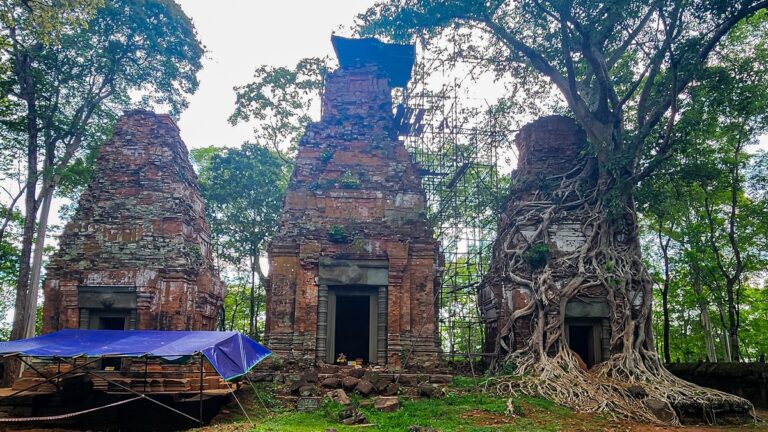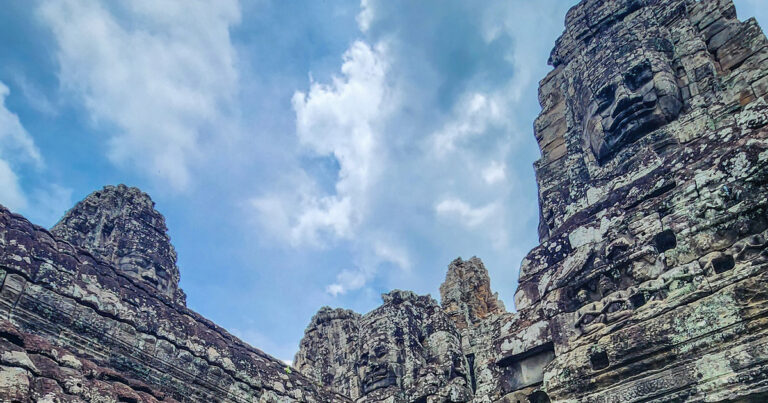
Siem Reap Cooking Classes: What to Expect & How to Choose
One of the things that surprised me in Siem Reap was how often I saw cooking classes advertised.
Not one famous school that everyone seemed to use, but classes everywhere: at hotels, restaurants and dedicated cooking schools. Some places had their own kitchen set up for guests, while others simply displayed a board at reception with the next class time.
At first, I treated them as a minor tourist activity compared with Angkor.
Then the format started to make much more sense.
After several days of temples, a cooking class offers something completely different. Instead of looking at another monument, you spend a few hours doing something yourself, learn what some of the ingredients you have been eating actually are, and finish with a meal you helped prepare.
If you are spending several days around Angkor, a cooking class can also fill that awkward half-day when you want to do something distinctly Cambodian but do not necessarily want another long temple excursion.
Siem Reap Cooking Classes: Quick Guide
| Typical duration | Around 3–4 hours |
| Usually includes | Cooking, ingredients, meal and often hotel pickup |
| May also include | Market or village visit |
| Typical group size | Small groups are usually better for hands-on cooking |
| Common dishes | Amok, Khmer curry, salads, spring rolls and simple desserts |
| Best for | A half-day away from temples |
| Good time to book | Afternoon after a temple morning or your final day in Siem Reap |
| Check before booking | Menu, dietary options, pickup, group size and market visit |
Are Cooking Classes in Siem Reap Worth It?
They can be, especially if you want something more interactive than another sightseeing stop.
A cooking class is not essential for understanding Siem Reap, and I would not replace Angkor with one. But that is not really the choice most travellers are making.
The more useful question is what to do after you have already spent one or two days exploring temples.
That is where the format works particularly well.
A few structured hours are enough to learn several dishes, sit down for a meal and still have part of the day free. It is also an easy way to move from simply eating Cambodian food to understanding what is actually in it.
What Does a Siem Reap Cooking Class Usually Include?
Programs vary, but many follow a similar structure.
A typical class lasts around three to four hours. Depending on the operator, you may be picked up from your hotel and taken first to a local market, village or ingredient stop before reaching the kitchen.
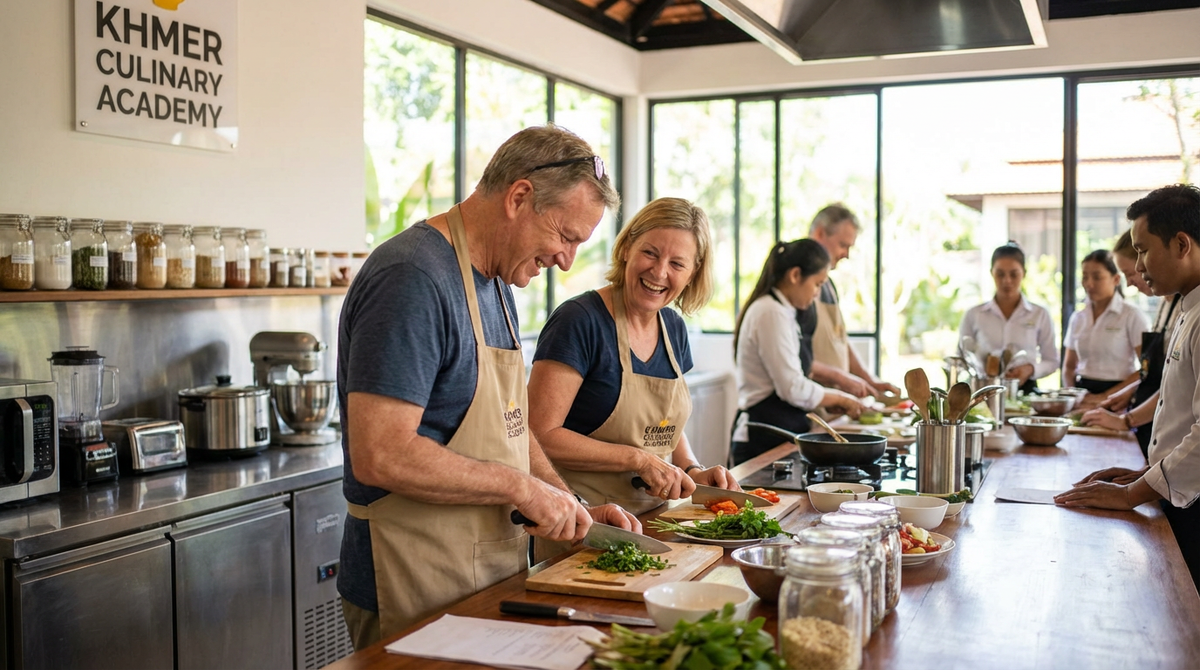
Once there, the cooking itself is usually hands-on rather than a chef demonstration. You prepare several dishes with instructions from the chef and then sit down to eat what you have made.
A class may include:
- hotel pickup and return;
- a market or village visit;
- ingredients and cooking equipment;
- preparation of several Khmer dishes;
- lunch or dinner afterwards;
- recipes to take away.
Some also give participants a small certificate, although I would not choose a class based on that.
The food, teaching and amount of hands-on cooking matter much more.
What Food Might You Cook?
Menus differ from one class to another, so it is worth reading the actual program before booking.
Common dishes include versions of:
- fish or chicken amok;
- Khmer curry;
- fresh salads with green mango, papaya or local herbs;
- spring rolls;
- simple coconut- or banana-based desserts.
Some classes allow you to choose between meat, fish and vegetarian dishes, while others use one fixed menu for the whole group.
That is worth checking in advance, especially if there is one Cambodian dish you specifically want to learn.
What You Actually Learn About Khmer Food
This is probably the part of the experience that interested me most when I started looking at the classes more closely.
Cambodian food is much less internationally familiar than Thai or Vietnamese cuisine. Before arriving, many travellers can already name pad thai, pho or green curry, while Khmer food often has to be discovered on the ground.
A cooking class gives some structure to that discovery.
Kroeung
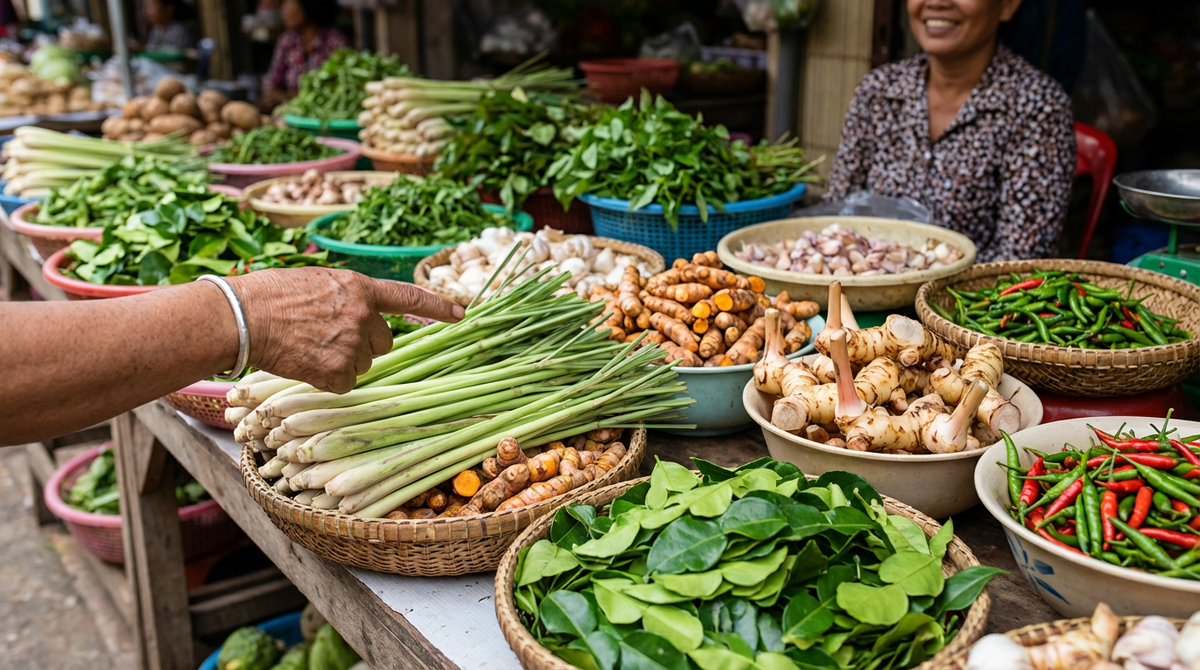
One ingredient you may encounter is kroeung, a family of aromatic pastes used as a base for many Cambodian dishes.
Recipes vary, but kroeung can combine ingredients such as lemongrass, galangal, turmeric, kaffir lime and other herbs and spices.
Once you understand how the paste is made, dishes that initially seemed difficult to identify become easier to read.
Prahok
Another important ingredient is prahok, fermented fish paste.
Its flavour can be strong, and you do not have to fall in love with it to find it interesting. What matters is understanding why it appears in Cambodian cooking and how a relatively small amount can change the flavour of a dish.
Amok
Amok is one of the dishes travellers are most likely to encounter in Cambodia and one of the most common cooking-class choices.
Learning how the spice paste, coconut milk and other ingredients come together makes the dish far more useful as an introduction to Khmer cooking than simply ordering it once in a restaurant.
That is where a cooking class can be more memorable than another meal out: you leave knowing at least roughly how the food was built.
Why Are Cooking Classes So Popular in Siem Reap?
From a traveller’s point of view, Siem Reap is almost perfectly suited to them.
Most people arrive because of Angkor. A typical stay includes one or two intensive temple days, perhaps another excursion farther out, and then smaller blocks of free time.
After hours of walking around archaeological sites, spending an afternoon in a kitchen offers a complete change of pace.
You are still doing something connected with Cambodia, but the experience is active rather than observational.
It also fits neatly into a half-day. You do not have to commit another sunrise-to-sunset day, and if pickup is included, the logistics are minimal.
That combination explains why cooking classes work so naturally alongside temple sightseeing.
Types of Cooking Classes in Siem Reap
Not every class offers the same experience.
Hotel Cooking Classes
Some hotels run classes on their own property.
The obvious advantage is convenience. If you are already staying there, you may only need to walk downstairs.
Groups can also be small and the kitchen setup comfortable.
The trade-off is that some hotel classes focus primarily on the cooking itself and may not include a market or village component.
Dedicated Cooking Schools and Restaurants
Dedicated schools and restaurants often build the entire experience around teaching.
They may offer a wider menu, more structured instruction or multiple sessions during the day.
This can be a good choice if the cooking itself is your priority.
Local Home or Village Experiences
Some classes add a more residential setting, village visit or local home.
For travellers who want more context around ingredients and everyday food culture, this can be more interesting than simply arriving at a professional kitchen.
The important thing is to read what is actually included rather than assuming that words such as local or authentic automatically mean a better experience.
How to Choose a Cooking Class in Siem Reap
The number of options can make them look interchangeable, but they are not.
This is the quickest way I would compare them:
| If you want… | Look for… |
|---|---|
| The easiest logistics | Hotel pickup and return |
| More local context | Market or village visit |
| More personal instruction | Small group size |
| More actual cooking | Individual or shared cooking stations, not demonstration only |
| A specific Khmer dish | Menu published before booking |
| Vegetarian food | Vegetarian option explicitly confirmed |
| To cook the dishes again at home | Recipes included |
| A comfortable hot-weather activity | Shaded or indoor cooking area |
I would not choose solely by the number of dishes.
Three dishes that you genuinely prepare yourself can be more worthwhile than five dishes where most of the work has already been done for the group.
What to Check Before Booking
Before paying, I would look at a few practical details.
Group Size
If you want actual interaction with the chef, smaller groups make more sense.
Large groups are not automatically bad, but the more people sharing the same instructor and kitchen, the less individual attention you can expect.
Market Visit
If the class advertises a market visit, check whether it is a meaningful part of the program.
For some travellers, seeing herbs, vegetables and spices before cooking with them is one of the most interesting parts of the experience.
For others, getting straight to the kitchen may be preferable.
Dietary Requirements
Do not wait until you arrive to mention allergies or important dietary restrictions.
Check before booking whether the menu can accommodate vegetarian, vegan or allergy-related requirements.
Pickup
Many classes include pickup, but the exact area can vary.
Check whether transport from your hotel is actually included rather than assuming every property in Siem Reap is covered.
Menu
Look at the dishes before booking.
If three different classes cost roughly the same and one includes food you genuinely want to learn, the decision becomes much easier.
Who Will Probably Enjoy a Cooking Class?
I think the format works particularly well if you:
- already have at least one full Angkor day planned;
- enjoy food but want more than another restaurant meal;
- like hands-on activities;
- want a half-day activity rather than another long excursion;
- would actually enjoy recreating one or two dishes at home.
It can also be a good choice for couples or friends who have already spent several days sightseeing and want to do something together rather than simply move between attractions.
Who Can Probably Skip It?
A cooking class is less useful if you have only a very short stay and still have major Angkor sites you want to see.
I would also skip it if cooking holds no interest for you and you are mainly considering the class because it appears on a list of things tourists are supposed to do.
There is nothing wrong with simply eating Cambodian food instead.
The point of the class is the participation.
How to Fit a Cooking Class Into Your Siem Reap Itinerary
I would not put a cooking class on the same day as an exhausting sunrise-to-sunset temple route unless you know you have the energy for both.
A much easier combination is:
Morning: temples or a relaxed start in town
Afternoon: cooking class
Evening: walk, drinks or simply return to the hotel
Another good option is your final full day in Siem Reap, once the major temple excursions are already finished.
If you are staying three or four days, this breaks up the rhythm nicely. Instead of spending the entire trip moving from one ancient site to another, you get a few hours focused on how Cambodia tastes rather than how it looks.
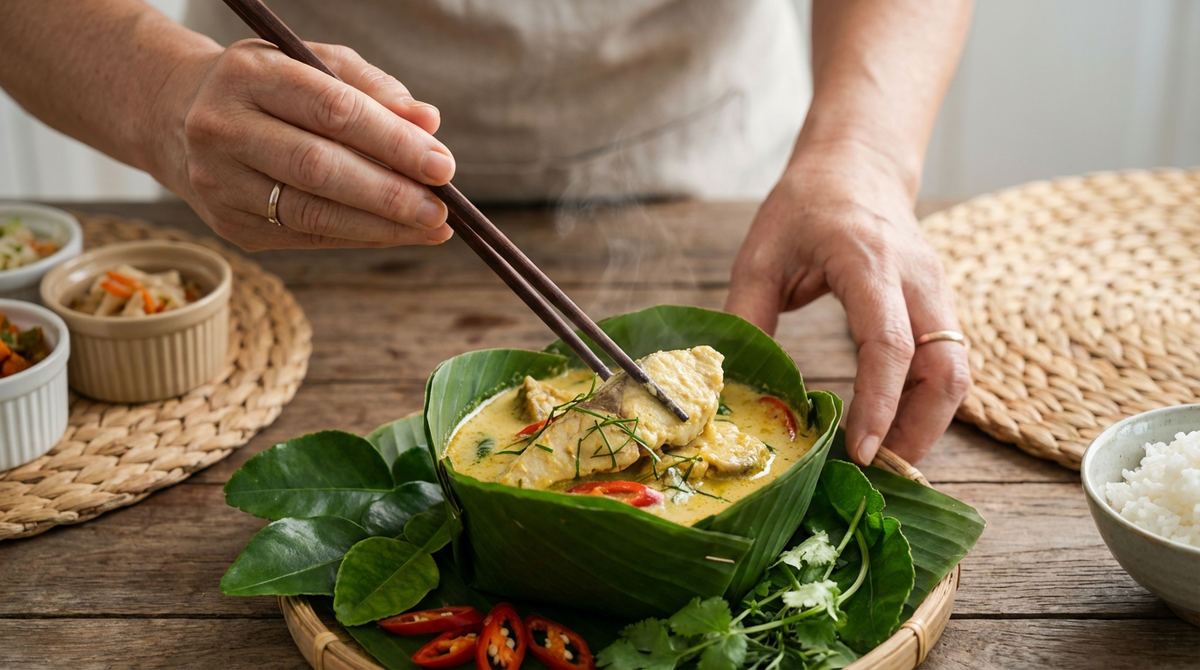
Want to See What the Classes Are Actually Like?
If you are curious but not ready to book yet, this is where I would start.
Reading the menu, looking at current photos and checking recent traveller reviews is much more useful than choosing a class from the name alone.
One specific option is Khmer Cooking Class at a Local’s Home in Krong Siem Reap. It is the kind of experience worth opening simply to compare the format, available dates and what is currently included.
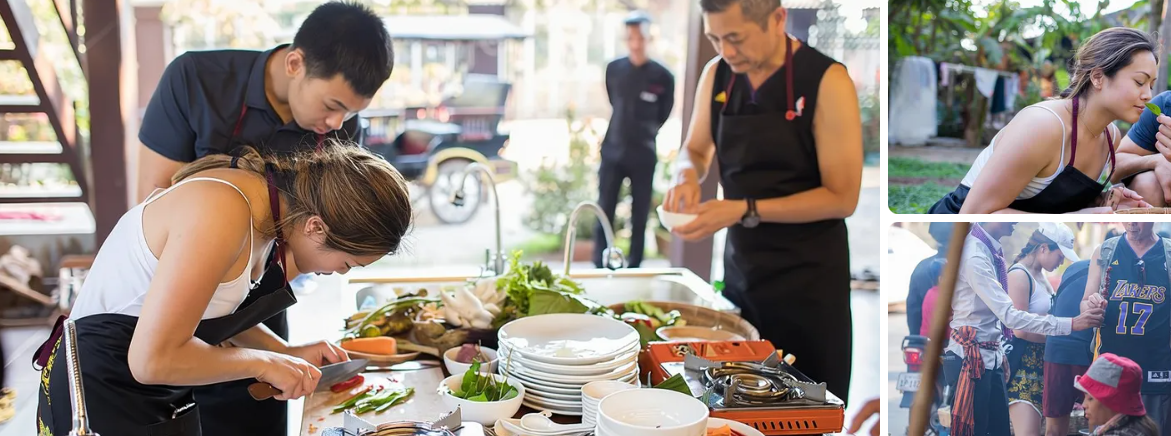
If you would rather compare cooking classes with other activities before deciding how to use your free half-day, you can also browse current Cambodia experiences on GetYourGuide.
A useful trick is to open two or three options and compare the menu, group size, pickup and market visit rather than looking only at price.
Those four details usually tell you much more about what the actual experience will be like.
Are Siem Reap Cooking Classes Worth Booking?
For the right itinerary, yes.
I would not travel to Siem Reap specifically for a cooking class, and I would never prioritize one over seeing Angkor for the first time.
But once the main temple days are already in place, the choice becomes much more interesting.
A cooking class gives you a few hours away from sightseeing, introduces ingredients that can otherwise remain anonymous on a restaurant plate and leaves you with something surprisingly practical: dishes you may actually be able to cook again.
That is probably why the format fits Siem Reap so well.
After several days of looking at Cambodia, it gives you a chance to participate in it.
Useful Travel Resources for Cambodia
Flights
Search flights
Hotels
Find hotels
Tours & Experiences
Browse Cambodia Tours & Experiences
eSIM
Get a Yesim eSIM
Transfers
Book a private transfer
Car Rental
Compare rental cars on Localrent
Travel Insurance
Check travel insurance with EKTA
Some links in this article are affiliate links. If you book through them, I may earn a small commission at no extra cost to you.